Maintaining high hygiene standards means consistently applying the right cleaning protocols, using EPA-registered products correctly, and training everyone in your space on proper sanitation practices. Whether you manage a Tampa Bay home, a small office in St. Petersburg, or an Airbnb in Clearwater, the gap between a clean-looking space and a genuinely hygienic one comes down to method, not effort. OSHA, the EPA, and the CDC each publish specific guidelines that define what “clean enough” actually means. This article breaks those standards down into practical steps you can apply today, without needing a facilities management degree.
How to maintain high hygiene standards: tools, supplies, and regulations
Getting hygiene right starts with having the right tools and understanding the rules that govern their use. OSHA’s 29 CFR 1910 standards require commercial facilities to maintain a written hazard communication program, keep Safety Data Sheets accessible during every shift, and use only EPA-registered cleaning chemicals. OSHA violations carry penalties of up to $16,550 per citation as of early 2026. That number alone makes compliance a financial priority, not just a health one.
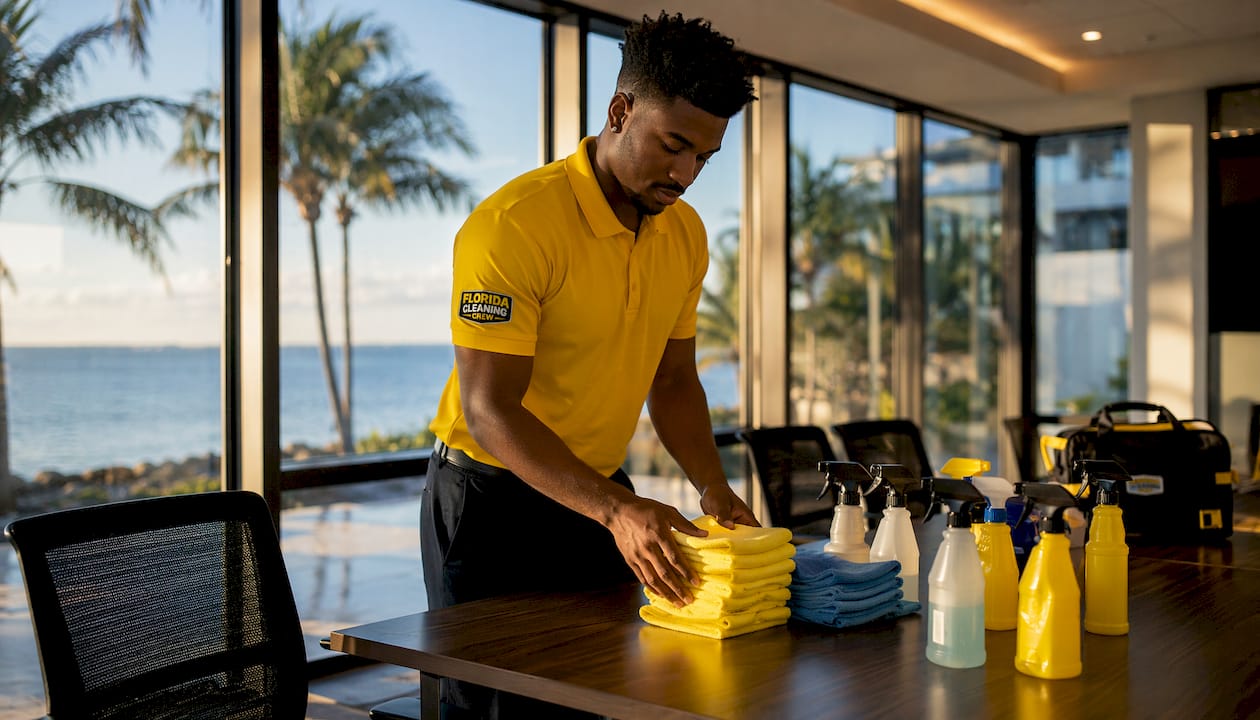
The core supplies every space needs
The table below covers the minimum toolkit for effective hygiene maintenance in both residential and commercial settings.
| Category | Examples | Purpose |
|---|---|---|
| Cleaning agents | All-purpose cleaners, degreasers | Remove dirt, grease, and organic matter |
| EPA-registered disinfectants | Quaternary ammonium, hydrogen peroxide products | Kill specific viruses and bacteria |
| Personal protective equipment (PPE) | Gloves, eye protection, masks | Protect the person applying chemicals |
| Application tools | Microfiber cloths, mop systems, spray bottles | Ensure even product distribution |
| Monitoring tools | Test strips, titration kits | Verify sanitizer concentration |
Microfiber cloths outperform cotton rags because they trap particles rather than spreading them. Spray bottles should be labeled clearly with the product name and dilution ratio to prevent misuse.
Pro Tip: Stage your cleaning supplies at the point of use. Placing supplies near high-touch areas dramatically increases how often staff and household members actually use them.
Safety Data Sheets must be physically or digitally accessible to anyone using cleaning chemicals during a shift. This is not optional under OSHA’s hazard communication standard. For business owners, keeping a binder or a shared digital folder with current SDS documents for every product on-site is the simplest way to stay audit-ready.
What are the right cleaning, sanitizing, and disinfecting protocols?
Most hygiene failures happen because people treat cleaning, sanitizing, and disinfecting as the same thing. They are not. Cleaning removes dirt and impurities, sanitizing reduces bacteria to safe levels, and disinfecting kills specific viruses and bacteria. Misusing these terms leads to improper chemical use and, more importantly, spaces that feel clean but are not actually safe.
A practical schedule for high-touch surfaces
CDC guidance recommends daily cleaning and disinfection of high-touch surfaces, with increased frequency in high-traffic locations. High-touch surfaces include door handles, light switches, desks, keyboards, faucet handles, and shared equipment. These are the surfaces that transfer pathogens most efficiently, so they deserve the most attention.
A workable schedule looks like this:
- Daily: Wipe and disinfect all high-touch surfaces using an EPA-registered product. Allow the product to reach its full dwell time before wiping dry.
- Weekly: Deep-clean restrooms, kitchen areas, and break rooms. Mop hard floors with a fresh solution. Replace mop heads or launder reusable cloths.
- Monthly: Clean behind and under furniture, inspect air vents, and check supply inventories. Discard any expired or degraded products.
- Quarterly: Conduct a full audit of your cleaning program. Review SDS documents, restock PPE, and retrain anyone who has joined since the last review.
Why dwell time is non-negotiable
Effective disinfection requires EPA-registered products and strict adherence to the label-specified dwell time. The surface must remain visibly wet for the full dwell time for the disinfectant to work. Wiping a surface dry after 10 seconds when the label calls for two minutes does not count as disinfection. It counts as wasted product and a false sense of security.
“Wiping surfaces dry too soon is the single most common disinfection mistake in both homes and offices. The label dwell time is not a suggestion. It is the minimum contact time the EPA tested to confirm the product works. Skipping it means the pathogens survive.”
Pro Tip: Set a phone timer when applying disinfectant to high-risk surfaces like restroom fixtures or kitchen counters. It feels unnecessary until the first time you realize you have been wiping too early for months.
Sanitizers also degrade over time, especially when diluted in buckets and exposed to organic matter. Sanitizer concentration drops as buckets are used, which is why the FDA Food Code requires ongoing verification with test strips or titration kits during cleaning shifts. This applies to food service businesses directly, but the principle holds for any commercial setting using bucket-diluted sanitizers.
For homeowners, the practical takeaway is simpler: use ready-to-use disinfectant sprays rather than diluted solutions when possible. They maintain consistent concentration from the first spray to the last.
How do you train staff and household members to uphold hygiene?
Consistent hygiene does not happen by accident. It happens when everyone in a space understands what is expected, has the tools to do it, and feels comfortable reporting problems. Hygiene failures often stem from poor facility maintenance, like a broken soap dispenser or an empty paper towel holder, rather than from cleaning technique alone. Fixing the infrastructure matters as much as training the people.
Building a culture of cleanliness
For business owners, a written illness policy is the foundation of any serious hygiene program. A clear written policy requiring sick staff to stay home breaks chains of infection before they start. Symptoms like vomiting, diarrhea, or a diagnosed communicable pathogen should trigger a temporary exclusion from work. This is not punitive. It is the most effective infection control measure available.
Beyond illness policies, effective training covers:
- Hazard communication: Every staff member who handles cleaning chemicals must understand the SDS for each product, including what PPE to wear and what to do in case of accidental exposure.
- PPE use: Gloves and eye protection are not optional when applying disinfectants. Train staff to put on PPE before opening any chemical container.
- Reporting infrastructure issues: A broken sink or empty soap dispenser is a hygiene emergency. Staff need to know they should report it immediately, not wait for a scheduled inspection.
- Checklist accountability: Daily cleaning checklists with sign-off fields create a paper trail and make it easy to spot gaps before they become compliance problems.
Pro Tip: Post laminated cleaning checklists directly at each cleaning station. When the checklist is visible at the point of task, completion rates go up without any additional management effort.
For Tampa Bay homeowners, the same logic applies at a smaller scale. Assign specific cleaning tasks to household members by area and frequency. Write them down. A shared note on the refrigerator works better than a verbal agreement that fades by Wednesday.
You can also review the workplace cleanliness strategies that Floridacc has compiled for Tampa Bay businesses, which covers practical compliance steps for offices of all sizes.
What are the most common hygiene compliance failures?
Most hygiene programs fail in predictable ways. Knowing the failure points lets you fix them before an OSHA inspector or a sick employee does it for you.
Common problems and how to address them
| Problem | Root Cause | Solution |
|---|---|---|
| Disinfectant not working | Wiping before dwell time ends | Set timers; retrain staff on label instructions |
| Sanitizer too weak | Bucket contamination or dilution drift | Test concentration with strips every shift |
| Hand hygiene gaps | Broken dispensers or empty soap | Assign daily supply checks; report issues immediately |
| Expired products in use | No inventory rotation system | Label products with open dates; audit monthly |
| No documentation | Skipped checklists | Use sign-off sheets; store records for OSHA audits |
- Chemical misuse is the most common technical failure. Using a sanitizer where a disinfectant is required, or mixing products that react dangerously, creates both health and liability risks.
- Expired disinfectants lose potency and provide no reliable protection. Check expiration dates during every monthly audit.
- High-traffic area management requires adjusting frequency, not just maintaining a fixed schedule. A restroom used by 50 people per day needs attention more than twice daily.
- Waste disposal must follow local regulations. In Tampa, Clearwater, and St. Petersburg, hazardous cleaning waste cannot go into standard trash. Check with your local waste authority for disposal requirements.
- Vermin control connects directly to sanitation. Food debris and standing water attract pests. Eliminating both removes the conditions that make infestations possible.
For businesses, maintaining documentation is as important as the cleaning itself. OSHA audits look for training records, SDS binders, and completed checklists. Missing paperwork is treated the same as missing practice.
A commercial cleaning maintenance guide from a specialized facility cleaning resource covers documentation systems and audit preparation in detail, which is worth reviewing if your business is scaling its hygiene program.
Hygiene strategies for Tampa Bay homeowners and small businesses
Tampa Bay’s humid subtropical climate creates specific hygiene challenges that standard guides do not address. High humidity accelerates mold growth on surfaces, especially in bathrooms and kitchens. It also degrades cleaning products faster when stored improperly. Products stored in garages or outdoor utility closets in Florida heat lose potency faster than the label assumes.
For homeowners and Airbnb hosts in Tampa, Clearwater, and St. Petersburg:
- Increase bathroom cleaning frequency during summer months. Mold and mildew establish in 24–48 hours on wet surfaces in humid conditions.
- Use a dehumidifier in enclosed spaces to reduce the moisture that supports bacterial and mold growth between cleaning sessions.
- Vet your cleaning provider carefully. Ask for proof of licensing, insurance, and familiarity with OSHA and EPA compliance requirements. A provider who cannot name the products they use is not a provider you want in your home.
- For Airbnb hosts, establish a written turnover cleaning protocol that covers every surface category. Guests notice hygiene failures immediately, and reviews reflect it.
- For small offices, review your Tampa Bay compliance guide to confirm your cleaning program meets current local and federal standards.
Preparing your home before a professional cleaning visit also improves results. The homeowner preparation guide from Floridacc walks through exactly what to do before cleaners arrive to get the most from each visit.
Key Takeaways
Maintaining high hygiene standards requires the right products, consistent protocols, trained people, and documented compliance, not just a clean-looking space.
| Point | Details |
|---|---|
| Know the three-tier system | Cleaning, sanitizing, and disinfecting are distinct steps; using the wrong one creates false safety. |
| Respect dwell time | EPA-registered disinfectants only work when surfaces stay wet for the full label-specified contact time. |
| Stage supplies strategically | Placing cleaning tools at the point of use increases compliance without additional supervision. |
| Document everything | OSHA audits check training records and checklists, not just the cleanliness of the space. |
| Adapt for local climate | Tampa Bay’s humidity accelerates mold growth and degrades stored products faster than standard guidelines assume. |
What I have learned from years of watching hygiene programs succeed and fail
The uncomfortable truth about hygiene compliance
Most hygiene problems are not cleaning problems. They are communication problems. I have seen facilities with expensive EPA-registered disinfectants and color-coded microfiber systems that still failed basic audits because nobody told the staff what dwell time meant. The product was right. The process was broken.
The other pattern I keep seeing is the infrastructure trap. A business invests in training, posts checklists everywhere, and then a soap dispenser runs empty for three days because nobody felt empowered to report it. Employee reporting of infrastructure issues is as important as any scheduled cleaning task. If your team does not feel like reporting a broken dispenser is their job, your hygiene program has a gap that no checklist will close.
Chemical selection also matters more than most people realize. Choosing the cheapest disinfectant on the shelf without checking the EPA registration number is a common mistake. Not every product that says “kills germs” on the label has been tested and registered for the pathogens you are trying to eliminate. The EPA’s registered disinfectants list is publicly available and free to check.
My honest recommendation: start with the basics and do them consistently before adding complexity. A daily wipe-down of high-touch surfaces with a properly applied EPA-registered disinfectant, combined with a functioning hand hygiene station, will outperform an elaborate cleaning program that nobody follows correctly.
— Matt
Professional cleaning support for Tampa Bay homes and businesses
Floridacc serves homeowners and small businesses across Tampa, Clearwater, and St. Petersburg with cleaning programs built around OSHA, EPA, and CDC compliance standards.
Whether you need recurring residential cleaning that keeps mold and bacteria under control in Florida’s humidity, or a commercial cleaning program that holds up to regulatory scrutiny, Floridacc’s licensed and insured team handles both. The residential cleaning service guide covers what a professional hygiene-focused cleaning visit includes for homeowners. For business owners, the commercial cleaning for small business page outlines service options tailored to offices, retail spaces, and hospitality providers in the Tampa Bay area. Request a free estimate directly through the site.
FAQ
What is the difference between cleaning, sanitizing, and disinfecting?
Cleaning removes visible dirt and organic matter. Sanitizing reduces bacteria to safe levels. Disinfecting kills specific viruses and bacteria using EPA-registered products applied at the correct dwell time.
How often should high-touch surfaces be disinfected?
CDC guidance recommends daily disinfection of high-touch surfaces like door handles, light switches, and shared equipment, with increased frequency in high-traffic areas.
What happens if disinfectant is wiped off too soon?
Wiping a surface dry before the label-specified dwell time ends nullifies the antimicrobial effect. The surface must remain visibly wet for the full contact time for disinfection to occur.
How do I know if my sanitizer is still effective?
Sanitizer concentration drops as buckets are used and contaminated by organic matter. Use test strips or titration kits during each cleaning shift to verify concentration remains within the effective range.
What OSHA standards apply to workplace sanitation?
OSHA’s 29 CFR 1910 standards require accessible Safety Data Sheets, a written hazard communication program, proper PPE use, and EPA-registered cleaning chemicals. Violations carry penalties up to $16,550 per citation.