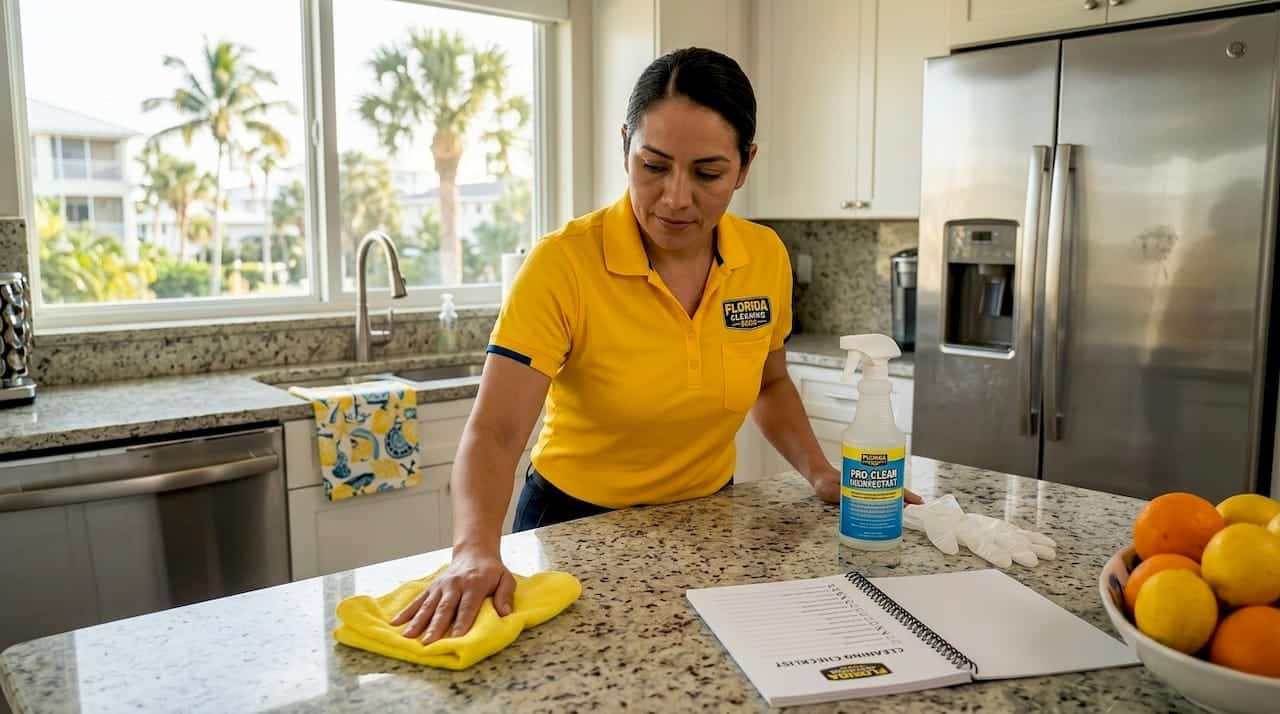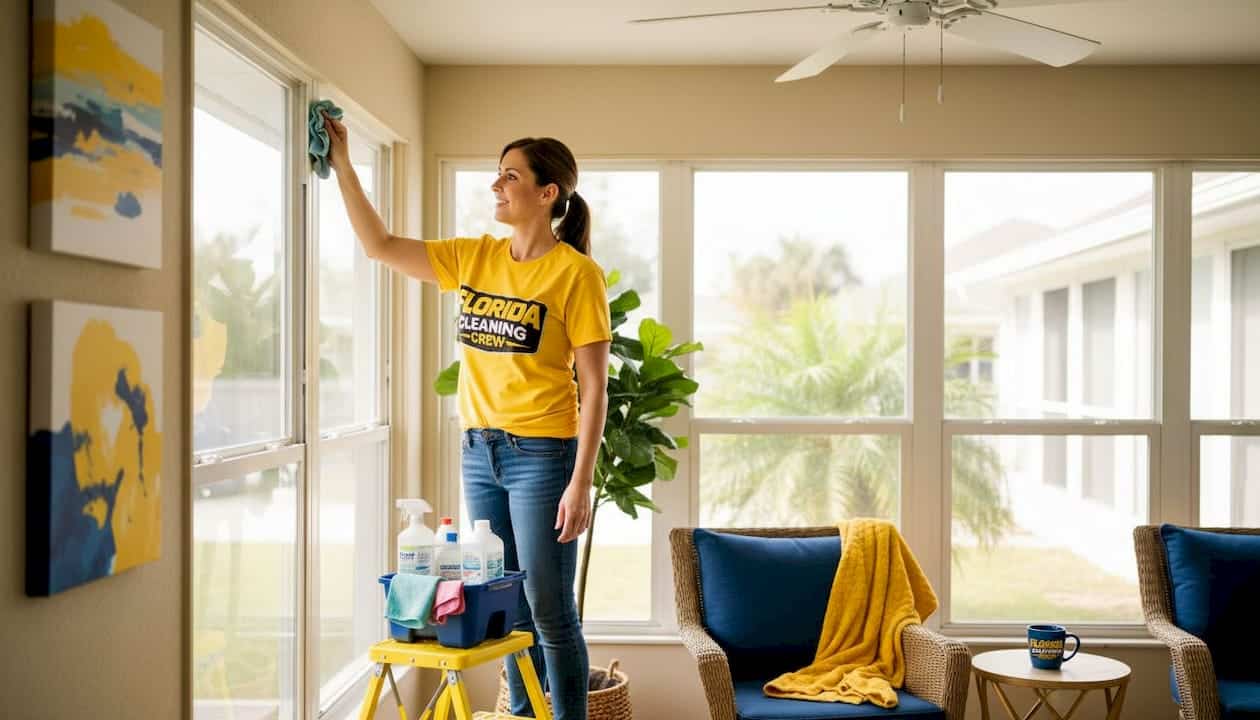
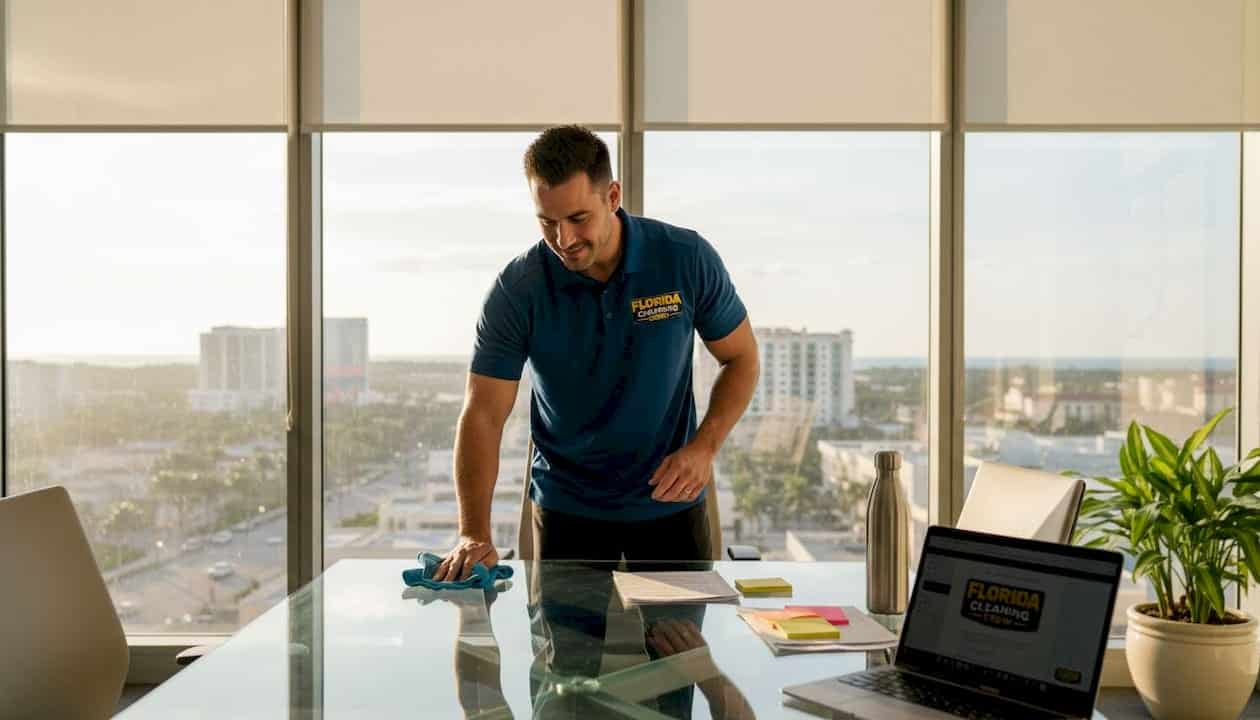
Living and working in Tampa Bay comes with real perks, but the heat and humidity create cleaning challenges that most guides simply ignore. When relative humidity hovers above 70% for months at a stretch, surfaces that look clean can still harbor mold spores, odor-causing bacteria, and allergens that build up invisibly over time. Many property owners assume a quick sweep and a spray of all-purpose cleaner is enough, and that assumption is exactly where problems start. This guide gives you practical, evidence-based routines built around what actually works in Florida’s climate, whether you manage a rental property, a small office, or your own home.
Table of Contents
- Understand the difference: Cleaning, sanitizing, and disinfecting
- Target high-touch hot spots: What to focus on daily
- Control moisture: Tampa Bay’s secret cleaning advantage
- Safety first: Avoid common hazards when using cleaning products
- Make it routine: Simple schedules and habits that last
- Our take: Why smart, simple routines beat the “deep clean” myth
- Need help keeping your property spotless? We’re here for you
- Frequently asked questions
Key Takeaways
| Point | Details |
|---|---|
| Clean, then disinfect | Always remove visible soil before using disinfectant for maximum effectiveness. |
| Prioritize high-touch spots | Daily attention to frequently handled surfaces cuts health risks significantly. |
| Control moisture year-round | Lowering indoor humidity helps prevent recurring mold and odors in Tampa Bay properties. |
| Follow safety protocols | Use appropriate protective equipment and follow label instructions whenever cleaning. |
| Build sustainable routines | Simple, scheduled habits keep workplaces and homes hygienic without extra stress. |
Understand the difference: Cleaning, sanitizing, and disinfecting
Most people use these three words interchangeably, but they describe very different actions with very different results. Knowing which one you need, and when, saves you time, money, and unnecessary chemical exposure.
Cleaning means physically removing dirt, grease, dust, and some germs from a surface using soap, water, and friction. It doesn’t kill pathogens outright, but it drastically reduces their numbers and removes the organic matter they thrive in.
Sanitizing reduces the number of bacteria on a surface to a level considered safe by public health standards. It’s the middle ground, appropriate for food-contact surfaces like kitchen counters, cutting boards, and restaurant tables.
Disinfecting uses EPA-registered chemicals to kill nearly all bacteria and viruses on a surface. It’s the most potent of the three, but it’s not always necessary, and overusing disinfectants can damage surfaces and create chemical resistance over time.
Here’s a quick comparison to help you decide:
| Situation | Recommended approach |
|---|---|
| General daily tidying | Cleaning (soap and water) |
| Kitchen counters and food prep areas | Sanitizing |
| After someone in the household has been ill | Disinfecting |
| Bathrooms in high-traffic offices | Sanitizing to disinfecting |
| Floors and common areas | Cleaning |
| High-touch surfaces during outbreak periods | Disinfecting |
According to CDC hygiene guidance, cleaning with soap and scrubbing removes most germs in most everyday situations, and disinfection is typically only needed when someone is sick or at higher risk. That’s an important piece of information, because many Tampa Bay homeowners are over-disinfecting general surfaces while under-treating the areas that actually need it.
The sequence also matters more than most people realize. You cannot skip straight to disinfecting and expect full results. Dirt, grease, and organic residue physically block disinfectants from reaching the surface underneath. The CDC confirms that you should always clean before disinfecting because impurities reduce the effectiveness of the chemical agents. Think of disinfecting as the finishing step, not the whole process.
Knowing when to clean, sanitize, or disinfect a surface depends on the surface type, who uses it, and what has happened there recently. For most residential settings in Tampa Bay, a disciplined cleaning routine paired with targeted sanitizing in kitchens and bathrooms will handle 90% of hygiene needs without requiring full disinfectant protocols every day.
The goal isn’t maximum chemical use. The goal is the right action at the right time. Cleaning smarter costs less, protects surfaces longer, and keeps your indoor air safer for the people who live and work there.
For practical guidance on applying this by room, the room-by-room cleaning tips on our site break it down into manageable, space-specific steps.
Target high-touch hot spots: What to focus on daily
You can’t clean everything with equal attention every day. The key is identifying which surfaces harbor the most germs and grime, then making sure those get daily attention while lower-risk areas get scheduled care on a weekly or monthly basis.
The surfaces that matter most:
- Door handles and push plates (interior and exterior)
- Light switches in kitchens, bathrooms, and entry areas
- Faucet handles in kitchens and restrooms
- Elevator buttons and stair railings (for commercial properties)
- Shared keyboards, phones, and computer mice
- Breakroom appliance handles (microwave, refrigerator, coffee maker)
- Restroom flush handles and stall locks
- Reception desks and customer-facing counters
For commercial properties in Tampa Bay, NIH and CDC respiratory-virus cleaning guidance recommends that high-touch surfaces in workplaces receive daily cleaning and disinfection, with more frequent attention during outbreak periods or when risk is elevated. That’s not a one-time suggestion. It’s an ongoing operational standard.
Daily priority checklist for offices and rental properties:
| Surface | Action | Frequency |
|---|---|---|
| Door handles | Wipe with disinfectant wipe | Daily |
| Light switches | Wipe with damp microfiber cloth | Daily |
| Restroom faucets | Clean and sanitize | Daily |
| Shared keyboards | Wipe with 70% isopropyl wipe | Daily |
| Breakroom appliance handles | Wipe with sanitizing solution | Daily |
| Trash bins | Empty and wipe rim | Daily |
| Entry floor mats | Vacuum or shake out | Daily |
| Desk surfaces and chair arms | Wipe down | Daily |
Workplace cleaning checklists from industry research confirm that managing high-touch surfaces like desk surfaces, chair arms, keyboards, and phones, along with daily trash management and entryway floor mat maintenance, consistently reduces the spread of germs and improves overall workplace hygiene.
Pro Tip: Place a small basket near the entryway with a spare microfiber cloth and a bottle of diluted all-purpose cleaner. When anyone walks in, wiping the doorknob takes five seconds. It becomes a habit because the tool is already there, not tucked in a closet.
For Airbnb and vacation rental hosts, a structured vacation rental cleaning checklist is especially important because guest turnover means high-touch surfaces get contaminated repeatedly. Don’t rely on a general cleaning pass. Build the high-touch checklist into every turnover routine, without exception.
Proper appliance cleaning for hygiene is another area most people underestimate. The exterior handles and control panels of kitchen appliances collect grease and bacteria and rarely get the targeted daily wipe-down they deserve.
The benefits of recurring office cleaning go beyond aesthetics. Consistent attention to high-touch surfaces reduces sick days, improves staff morale, and extends the life of furniture and finishes.
Control moisture: Tampa Bay’s secret cleaning advantage
Surface cleaning is only half the battle in Tampa Bay. The other half is moisture control, and it’s the piece most homeowners and property managers skip entirely until a problem becomes visible.
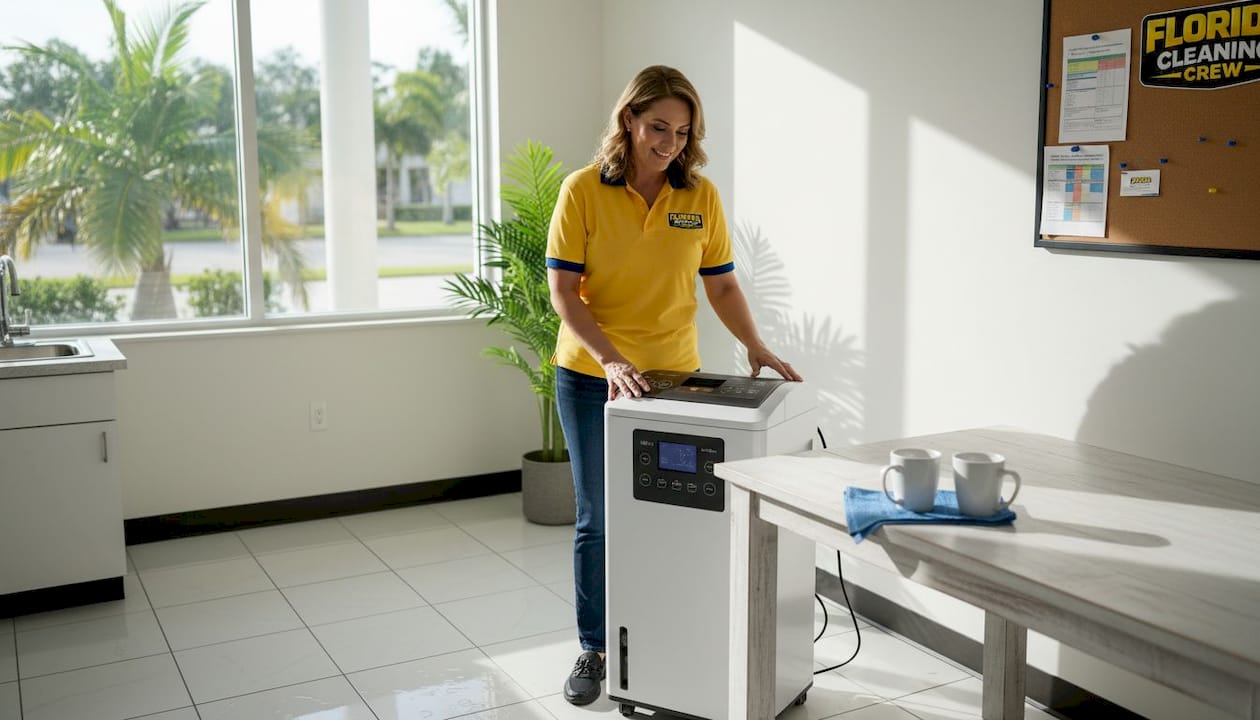
Tampa Bay’s average relative humidity sits above 70% for much of the year. At those levels, mold spores can begin colonizing porous surfaces like grout, drywall, wood trim, and fabric within 24 to 48 hours of moisture exposure. What looks like a clean bathroom may have active mold developing inside the grout or behind the baseboard where you can’t see it.
Key moisture-control actions for Tampa Bay properties:
- Run exhaust fans in bathrooms for at least 15 minutes after every shower
- Keep indoor humidity between 45% and 55% using air conditioning and dehumidifiers
- Check and replace HVAC filters every 1 to 3 months depending on usage
- Inspect HVAC drip pans and condensate lines quarterly
- Wipe condensation from windows and glass surfaces during humid months
- Allow wet cleaning tools like mops to dry completely before storing them
- Use mold-resistant caulk in bathrooms and kitchens when resealing
For Tampa Bay landlords specifically, mold-proofing guidance makes clear that managing indoor moisture and HVAC maintenance is essential to preventing recurring contamination, not just cleaning visible mold after it appears. The approach needs to be preventive, not reactive.
Pro Tip: Get a battery-powered hygrometer (a humidity reader) and leave it in the rooms most prone to moisture, like bathrooms, laundry rooms, and any room with exterior-facing walls. If you see the reading consistently above 60%, that’s your signal to increase ventilation or add a portable dehumidifier before mold becomes a visible problem.
In Florida, the standard “clean it when it looks dirty” mindset works against you. Mold doesn’t wait to be visible before causing damage or health effects. Consistent moisture monitoring is what separates a well-maintained property from one that constantly cycles through cleaning problems.
According to a deep-cleaning schedule resource, a proper commercial cleaning plan should include frequent attention to restrooms and kitchens along with HVAC-related tasks like vent cleaning every few months, rather than relying only on weekly floor mopping. Vents that circulate dusty or humid air negate even the most diligent surface cleaning.
When mold becomes visible and spreads beyond a small patch, calling a mold expert is the right move. DIY remediation of large mold colonies can spread spores further and create bigger problems than the original patch.
Building smart cleaning schedules that factor in Tampa Bay’s seasonal humidity changes is one of the most practical steps you can take. Spring and summer require more aggressive moisture-control steps, while drier winter months allow a slightly lighter approach. Consistent commercial cleaning for property value is not just about looks. It directly protects the long-term value and structural integrity of your investment.
Safety first: Avoid common hazards when using cleaning products
Cleaning safely is just as important as cleaning effectively. Many well-intentioned homeowners and cleaning staff cause unnecessary harm through improper use of common products, and Tampa Bay’s enclosed, humid spaces make ventilation concerns especially serious.
Risks to watch out for:
- Mixing bleach with ammonia-based cleaners, which creates toxic chloramine gas
- Using spray bottles too close to surfaces, which causes aerosol drift onto skin, eyes, and airways
- Applying high-pressure washing methods in enclosed or semi-enclosed areas
- Storing incompatible chemicals in the same cabinet without separation
- Failing to read and follow the contact time instructions on disinfectant labels
- Using disinfectants without appropriate gloves, goggles, or respiratory protection
The AAHA infection control protocol flags that overspray and aerosolization risks are a real hazard when cleaning with spray-based methods. High-pressure washing can physically spread organisms through the air even while removing visible debris. That’s particularly relevant for outdoor surfaces like patios, driveways, and pool decks in Tampa Bay homes.
Pro Tip: When using any spray cleaning product indoors, hold the bottle within four to six inches of the surface before triggering the spray. This dramatically reduces the mist that becomes airborne and keeps the chemical where it belongs: on the surface, not in the air you breathe.
The CDC’s NIOSH guidance for custodial workers makes it clear that safe disinfectant handling includes proper PPE, reading Safety Data Sheets (SDS) for each product, and ensuring adequate ventilation in all areas being cleaned. This applies to residential homeowners too, not just commercial cleaning crews. If you’re using a product strong enough to kill pathogens, it’s strong enough to irritate your lungs and skin without protection.
Choosing safer cleaning chemical options with low VOC (volatile organic compound) formulations is a smart choice for anyone spending extended time indoors, especially families with young children, pets, or people with respiratory conditions. Many effective, plant-based cleaning products on the market today match the performance of conventional cleaners for routine use.
Always store cleaning chemicals in their original labeled containers, in a cool and ventilated space, and never within reach of children. Never combine products to “boost” cleaning power unless the label explicitly says it’s safe.
Make it routine: Simple schedules and habits that last
The single biggest difference between a well-maintained property and one that constantly feels like it needs attention is routine. Not a marathon cleaning session once a month. A consistent, predictable schedule that spreads the work out and keeps everything under control.
Here’s a practical framework for homeowners and property managers:
- Daily: Wipe down all high-touch surfaces (door handles, faucets, light switches). Empty trash. Sweep or vacuum entryways. Run exhaust fans after cooking and showering.
- Three times a week: Wipe kitchen counters, stovetop, and sink basin. Clean toilets and bathroom sinks. Check humidity levels.
- Weekly: Mop hard floors. Sanitize appliance handles. Clean bathroom mirrors and glass. Vacuum carpets and furniture fabric. Wipe chair arms and desk surfaces.
- Monthly: Deep clean inside the microwave, oven, and refrigerator. Wipe down baseboards and window sills. Clean light fixtures and ceiling fans. Inspect bathroom caulk and grout.
- Every 1 to 3 months: Replace HVAC filters. Clean dryer vents. Wipe HVAC vent covers. Inspect under sinks for moisture or leaks.
- Twice a year: Schedule a professional deep clean. Inspect outdoor areas for mold or mildew on siding, decking, and window frames.
The SafetyCulture workplace hygiene checklist reinforces that successful hygiene programs depend on stocking supplies consistently, including wipes, sanitizer, and tissues, making bins easy to empty, and creating schedules that specifically include restrooms, kitchens, and high-touch points. Floors alone are not enough.
“Leave the disinfectant on the surface long enough… called the contact time. The surface should stay wet during the entire contact time.” CDC cleaning and disinfecting guidance
Most people spray and immediately wipe. That habit means disinfectants never actually do their job. The contact time on most household disinfectants ranges from 30 seconds to four minutes. Spray, leave it wet, then wipe. That’s the sequence that actually works.
Visible checklists posted in cleaning supply areas remove guesswork and keep everyone accountable. For property managers with staff or cleaners rotating across units, a printed weekly checklist stored in the cleaning kit cuts down on missed tasks and reduces the need for repeated verbal instructions.
The workplace cleanliness benefits of a reliable routine extend well beyond hygiene. Tenants stay longer, employees feel better, and inspection failures become rare when a predictable schedule is in place.
Our take: Why smart, simple routines beat the “deep clean” myth
Here’s something we’ve seen play out repeatedly with Tampa Bay property owners: they skip regular upkeep for weeks, then schedule a major deep clean when things get noticeably bad. Then they repeat the cycle. It feels productive. It rarely is.
The “deep clean reset” approach has real value as a supplement, but it’s not a substitute for consistent daily and weekly habits. By the time a property looks dirty enough to justify a deep clean, surfaces have already been contaminated long enough to allow mold growth in grout, bacteria to establish themselves on porous materials, and odors to penetrate fabric and drywall. A deep clean removes what’s visible. It doesn’t undo the invisible damage that’s already accumulated.
Tampa Bay’s climate makes this worse than it would be in a drier city. Humidity accelerates everything. Mold grows faster. Odors linger longer. Organic residue on surfaces becomes a more fertile environment for bacterial growth. You can’t use the same cleaning mindset that works in Phoenix and expect the same results here.
What actually works is building a routine that’s simple enough to follow without thinking about it. Two to three focused minutes per day on high-touch surfaces, a real weekly schedule that includes restrooms and kitchens, and quarterly HVAC maintenance will do more for your property’s cleanliness and long-term condition than one intense deep clean every few months.
The recurring cleaning advantages are well documented: lower maintenance costs over time, better tenant and employee satisfaction, and fewer emergency remediation situations. The properties that consistently score well on inspections and get positive tenant feedback are not the ones that get cleaned hardest once a quarter. They’re the ones maintained steadily, week after week, with a routine their team actually follows.
Deep cleaning still has its place. It handles what routine maintenance misses: behind appliances, inside vents, under furniture, inside drains. Schedule it two to four times per year as a complement to your ongoing routine, not as a replacement for one.
Need help keeping your property spotless? We’re here for you
Managing a consistent cleaning routine alongside everything else on your plate isn’t always realistic. Tampa Bay’s humidity and high-traffic properties create demands that go beyond what a standard once-a-week sweep can handle, and the consequences of falling behind add up fast.

Florida Coastal Cleaning offers reliable home cleaning and business cleaning services built specifically for Tampa Bay’s climate and property types. Whether you manage a vacation rental, a small office, or your own home, our team brings consistent routines, EPA-compliant products, and local expertise to every visit. We’re licensed, insured, and built around schedules that actually work for your property. Ready to take cleaning off your to-do list? Connect with the Tampa Bay cleaning experts at Florida Coastal Cleaning and request your free quote today.
Frequently asked questions
How often should high-touch areas be cleaned in a workplace?
High-touch surfaces in workplaces should be cleaned at least once daily, with more frequent attention during outbreak periods or when risk levels are elevated. Daily is the baseline, not the ceiling.
Do I need to disinfect every surface, every day?
No. According to CDC hygiene guidance, routine cleaning with soap and water removes most germs in most situations, and disinfection is mainly needed after visible soiling or when someone has been ill. Cleaning is enough for everyday maintenance.
What’s the biggest cleaning mistake in Tampa Bay workplaces?
Ignoring indoor moisture and HVAC maintenance is the most common oversight. Surfaces can look clean while mold and mildew develop in vents, grout, and behind walls due to unchecked humidity.
Is it safe to use high-pressure washing indoors to clean surfaces?
No. High-pressure washing can aerosolize contaminants and spread harmful organisms through the air, even when it removes visible debris. It should be reserved for appropriate outdoor surfaces only.
How long should disinfectant stay on a surface?
The surface must stay wet for the full contact time listed on the product label, which typically ranges from 30 seconds to several minutes. Wiping immediately after spraying cancels most of the disinfecting effect.