
Preparing a rental property for tenants means meeting every legal, safety, and cleanliness standard before handing over the keys. The process covers far more than a quick sweep and a fresh coat of paint. Under the implied warranty of habitability, landlords across the U.S. must provide safe, sanitary, and functional essential systems before any tenant moves in. Florida law adds its own layer, including a 7-day written notice requirement that tenants must give before pursuing repair-and-deduct remedies. Getting this right from the start protects your income, your legal standing, and your relationship with every tenant you place.
How to prepare properties for tenants: legal standards first
The implied warranty of habitability is the legal foundation every landlord builds on. It requires that rental units provide working heating, hot and cold water, functioning locks, structural integrity, and basic sanitation. These are not optional upgrades. They are legal obligations that apply in every U.S. state, including Florida.
Florida law is specific about timelines. If a landlord fails to address a habitability issue, the tenant must give written notice and allow seven days for the landlord to respond before taking further legal action. That seven-day window is not a grace period to be casual about. Missing it can expose you to lease termination claims, rent withholding, or court action.
Local safety codes in Tampa, Clearwater, and St. Petersburg add another layer. Properties must meet fire safety standards, including working smoke detectors and carbon monoxide alarms. Electrical panels, water heaters, and HVAC systems must be in code-compliant condition before occupancy.
Here is what every landlord must confirm before a tenant moves in:
- Working heat and air conditioning (HVAC system tested and serviced)
- Hot and cold running water with no leaks
- Functioning locks on all exterior doors and windows
- No active pest infestations
- Smoke detectors and carbon monoxide alarms installed and tested
- Structural soundness: no holes in walls, ceilings, or floors
- Safe electrical outlets and no exposed wiring
- Proper sanitation: no mold, sewage issues, or standing water
Meeting these standards is not just about avoiding lawsuits. Tenants who move into a property that already feels safe and well-maintained are far more likely to treat it with care and stay longer.
What does a thorough pre-move-in inspection look like?
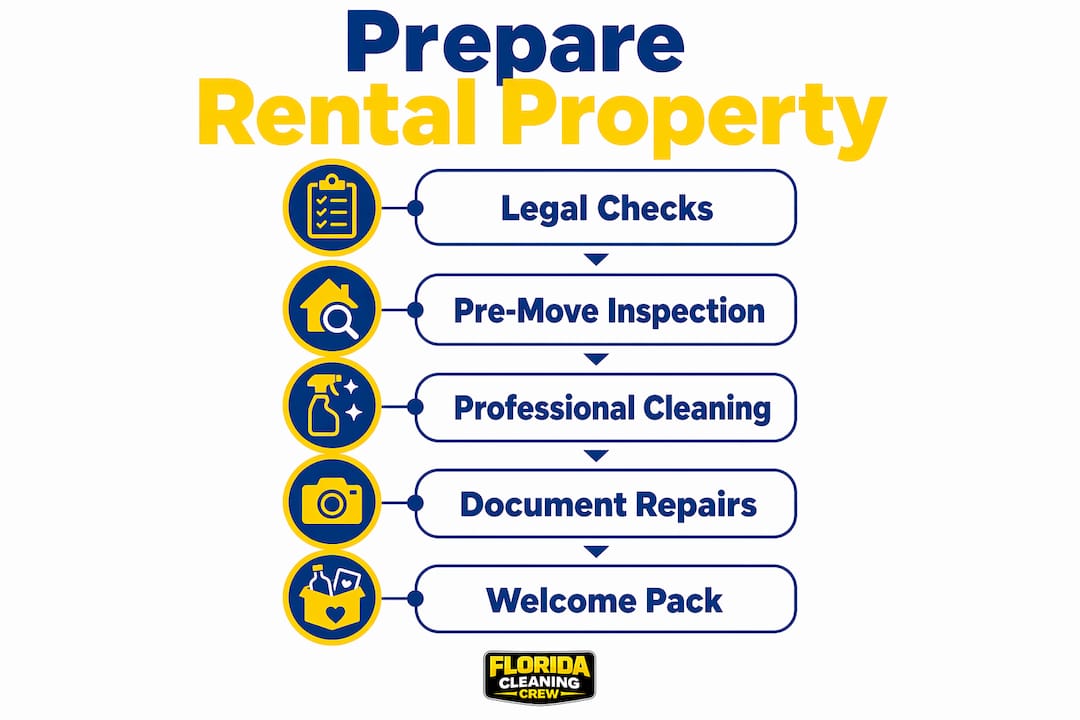
A 50-point move-in walkthrough with the tenant present and signed by both parties is the gold standard for property documentation. This level of detail creates a clear baseline that protects you in any future deposit dispute or habitability claim.
The inspection should cover every room, every system, and every surface. Here is a structured approach:
- Exterior walkthrough. Check the roof, gutters, siding, driveway, and landscaping. Note any cracks, damage, or drainage issues. Photograph everything from consistent angles.
- Entry and locks. Test all exterior door locks and deadbolts. Confirm windows latch securely. Verify that locks have been rekeyed since the last tenant.
- Kitchen. Test all appliances, check cabinet doors and drawers, inspect under the sink for leaks, and confirm the exhaust fan works.
- Bathrooms. Check for grout condition, caulking around the tub and shower, toilet function, faucet pressure, and any signs of mold or water damage.
- Living areas and bedrooms. Test light switches and outlets, check flooring for damage, inspect walls and ceilings for stains or cracks.
- HVAC system. Replace the filter, test heating and cooling, and confirm the thermostat responds correctly.
- Safety devices. Test every smoke detector and carbon monoxide alarm. Replace batteries and note the date.
- Basement or utility areas. Check the water heater, electrical panel, and any crawl space access points.
- Attic access. Inspect for signs of water intrusion or pest activity.
- Final documentation. Walk through the completed checklist with the tenant, collect signatures, and provide them with a copy.
Move-in photo records must include timestamped wide and close-up shots taken from the same angles each time, indexed by room, and backed up in cloud storage for legal admissibility. A photo of a scuffed baseboard taken on move-in day is worth far more than a verbal argument two years later.
Pro Tip: Have the tenant sign the checklist at the walkthrough, not later via email. In-person signatures carry more weight in Florida small claims court and remove the “I never saw that” defense.
The table below shows how to organize your inspection documentation:
| Area | What to document | Format |
|---|---|---|
| Exterior | Roof, siding, driveway, landscaping | Wide + close-up photos, written notes |
| Kitchen | Appliances, cabinets, plumbing under sink | Photos, appliance serial numbers |
| Bathrooms | Grout, caulk, fixtures, mold check | Photos, written condition rating |
| Safety devices | Smoke/CO alarms, fire extinguisher | Test date, battery replacement date |
| Locks and security | All exterior locks, window latches | Rekey confirmation, key count |
Signed documentation reduces risk in the vast majority of deposit-related disputes. That alone makes a thorough inspection one of the highest-return activities a landlord can do.
What cleaning and repair priorities make a property rent-ready?
Functional repairs always come before cosmetic improvements. HVAC, plumbing, and security systems should be fixed first during any turnover. A fresh paint job means nothing if the air conditioning fails on day three of a Tampa summer.
Here is how to prioritize your turnover tasks:
- Functional first. Fix HVAC, plumbing leaks, faulty outlets, and broken locks before anything else. These are legal requirements, not preferences.
- Deep clean the entire unit. A professional move-in deep clean covers appliances, grout, baseboards, inside cabinets, and window tracks. This is not a standard maintenance clean.
- Repaint where needed. Scuffed or stained walls signal neglect to prospective tenants. Neutral colors like warm white or light gray photograph well and appeal broadly.
- Replace worn fixtures. Light switch covers, cabinet handles, and faucet aerators cost very little but visibly improve the unit’s condition.
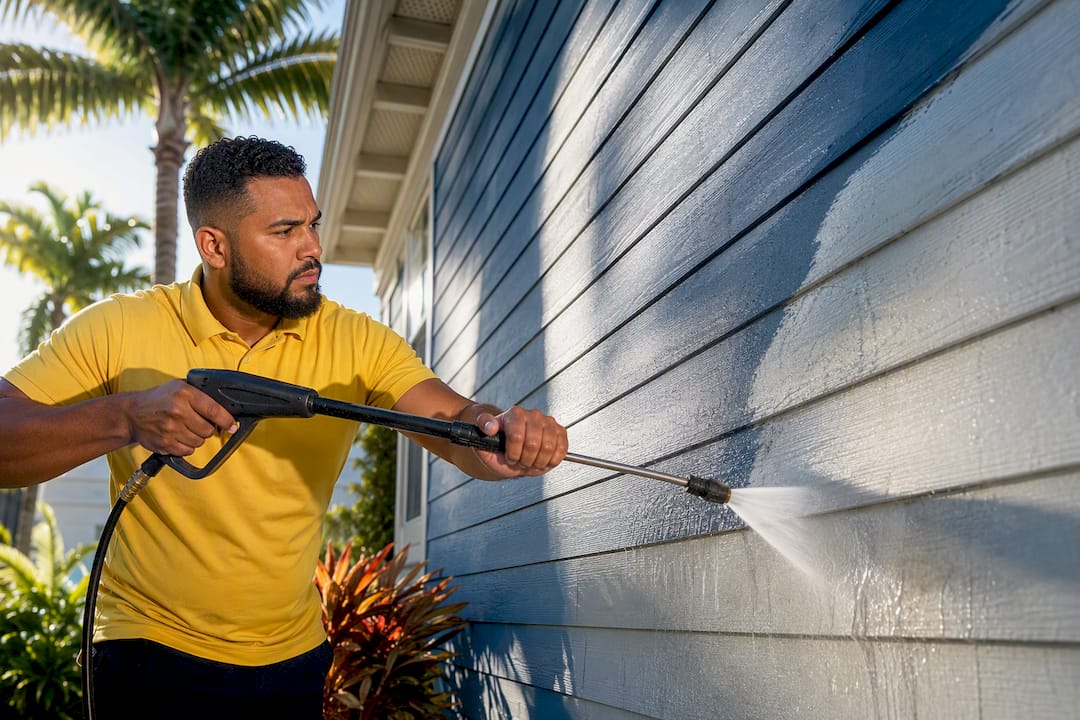
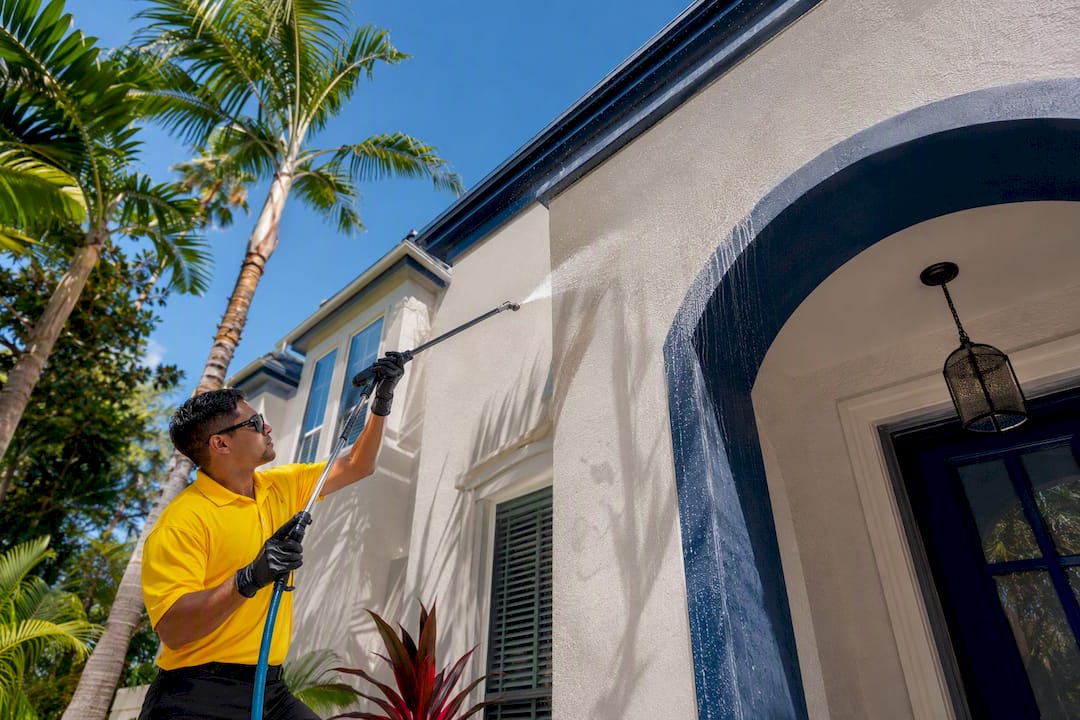
- Address curb appeal. Pressure washing the driveway and exterior walkways makes a strong first impression. In Tampa Bay’s humid climate, mold and mildew accumulate fast on concrete and siding.
Deep cleaning strongly influences tenant perception and retention during the initial lease period. Tenants who walk into a spotless unit feel respected. That emotional response shapes how they treat the property for the rest of the lease.
Tenant perception depends heavily on sensory factors at move-in: smell, lighting, and temperature. A unit that smells clean, feels cool, and is well-lit signals that the landlord is attentive. That first impression is hard to undo once it goes wrong.
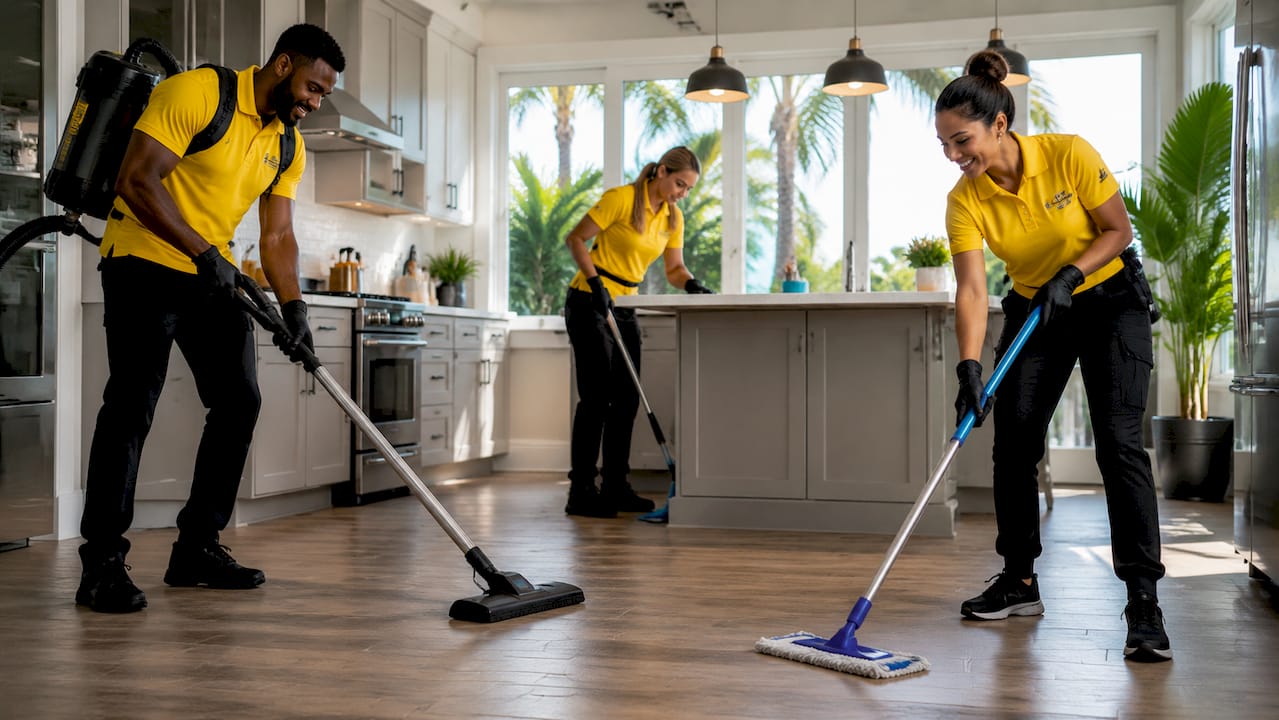
Keep receipts for every professional cleaning and repair. These records serve two purposes: they document the property’s condition at turnover, and they support any deductions from a security deposit if the tenant causes damage.
Pro Tip: Schedule cleaning before the final repair walkthrough. Cleaners sometimes uncover issues that were hidden under grime, like water stains under appliances or cracked grout in the shower. Catching these before move-in saves a service call later.
Minor upgrades that improve perceived value without overspending include installing USB outlet covers, adding a new shower curtain and rings, and replacing a dated bathroom mirror. None of these cost more than $50, but together they make a unit feel updated. Landlords in competitive Tampa Bay markets know that small details influence how quickly a unit rents and at what price.
How should landlords handle documentation and utilities before move-in?
Administrative preparation is just as important as physical readiness. A property that is clean and repaired but missing key paperwork creates problems on day one.
Before the tenant takes possession, confirm the following:
- Security deposit and first month’s rent received and properly held. Florida law requires security deposits to be held in a separate account or covered by a surety bond. Commingling funds is a violation.
- All required disclosures provided. Florida landlords must provide the tenant with written notice of where the security deposit is held, lead paint disclosures for pre-1978 properties, and any known material defects.
- Lease agreement signed by all parties. Every adult occupant should sign. The lease should clearly state rent amount, due date, late fees, pet policy, and maintenance responsibilities.
- Utility accounts confirmed. Verify that electricity, water, and gas are active and in the correct name before the tenant moves in. A tenant who arrives to no power on move-in day starts the relationship on a sour note.
- Welcome pack delivered. A comprehensive welcome pack with utility contact numbers, trash pickup schedules, HOA rules, emergency maintenance contacts, and Wi-Fi details reduces service calls and misunderstandings significantly.
A well-executed welcome pack is a practical risk-management tool. Tenants who know the rules and have the right contact information from day one are less likely to call at 10 PM about a question that is already answered in writing.
Store all signed documents, photos, receipts, and correspondence in organized digital folders. Cloud storage with a clear naming system (property address, tenant name, move-in date) makes retrieval fast if a dispute arises months later. Renovations that affect occupancy timelines also require documentation. Understanding how renovation affects building occupancy can help landlords plan turnover schedules more accurately and avoid legal complications.
What mistakes do landlords make when preparing a rental property?
Rushed or incomplete turnover preparation leads to longer vacancies, higher tenant turnover, and weaker rental income. The mistakes below are common, preventable, and expensive.
- Skipping the move-in inspection. Without a signed checklist and photos, you have no baseline. Any damage claim at move-out becomes your word against the tenant’s.
- Ignoring functional repairs. Deferring an HVAC issue or a slow drain until the tenant complains puts you in a reactive position. Florida’s seven-day notice rule means you have very little time to fix it once the tenant flags it formally.
- Skipping professional cleaning. A landlord-cleaned unit rarely meets the standard a professional service delivers. More importantly, without a receipt, you cannot document the property’s cleanliness at move-in.
- Failing to rekey locks. Not rekeying between tenants creates ongoing security liability. Former tenants, their guests, or anyone who had a key copy retains access to your property and your new tenant’s home.
- Poor paperwork organization. Landlords who cannot produce a signed lease, a deposit receipt, or a move-in checklist on short notice are at a serious disadvantage in any dispute.
Pro Tip: Create a turnover folder template with labeled subfolders for photos, signed documents, receipts, and correspondence. Copy it for every new tenancy. This takes ten minutes to set up and saves hours if you ever need to defend a deposit deduction.
17 U.S. states mandate move-in inspection checklists by law. Even in states where it is not required, a signed checklist is the single most effective tool a landlord has to protect a security deposit. Treating it as optional is a mistake that shows up at move-out.
Key Takeaways
Preparing a rental property for tenants requires legal compliance, thorough documentation, professional cleaning, and clear communication before the first key is handed over.
| Point | Details |
|---|---|
| Legal habitability comes first | Fix HVAC, plumbing, locks, and safety devices before any cosmetic work. |
| Document everything at move-in | A signed 50-point checklist with timestamped photos is your strongest legal protection. |
| Professional cleaning matters | A receipt-backed deep clean sets the condition baseline and influences tenant retention. |
| Rekey locks every turnover | Failing to rekey creates security liability for both you and your incoming tenant. |
| Welcome packs reduce conflicts | Providing utility info, rules, and contacts at move-in cuts service calls and misunderstandings. |
What I’ve learned from watching landlords skip the basics
Most landlord mistakes I see are not about ignorance. They are about underestimating how much the first impression shapes the entire tenancy.
A landlord who hands over a clean, documented, fully functional unit sends a clear message: this is a well-run property, and I take it seriously. Tenants respond to that. They are more likely to report small issues early, before they become expensive repairs. They are more likely to renew. They are more likely to leave the property in good condition.
The opposite is also true. A tenant who moves into a unit with a sticky oven, a broken window latch, and no welcome information starts the relationship already skeptical. That skepticism does not go away. It shows up in late maintenance reports, in disputes over normal wear and tear, and eventually in early lease terminations.
Habitability is not a one-time move-in checklist item. It is a continuous obligation. The landlords who understand this treat property preparation as the opening chapter of a long-term business relationship, not a box to check before collecting rent.
The documentation piece is where I see the most avoidable pain. Landlords who skip the signed checklist and the timestamped photos are essentially betting that nothing will go wrong. In my experience, something always goes wrong eventually. The question is whether you have the paperwork to handle it cleanly.
Invest the time before move-in. It pays back every time.
— Matt
Floridacc helps Tampa Bay landlords get properties rent-ready
Getting a property truly clean before a new tenant arrives takes more than a mop and a good vacuum. Floridacc provides professional move-in deep cleaning for landlords and property managers across Tampa, Clearwater, and St. Petersburg, covering everything from appliance interiors and grout lines to baseboards and window tracks.

Every Floridacc clean comes with a receipt you can keep on file, which supports your move-in documentation and protects your deposit claims. The team is licensed, insured, and experienced with rental turnovers, so you get a consistent result every time. If you manage multiple units or need a fast rental turnover clean between tenancies, Floridacc offers flexible scheduling to fit your timeline. Request a free estimate at floridacc.com and get your next unit ready the right way.
FAQ
What does the implied warranty of habitability require?
The implied warranty of habitability requires landlords to provide safe, sanitary, and functional essential systems, including heating, plumbing, locks, and structural integrity. This obligation applies in every U.S. state and cannot be waived by lease agreement.
How many states require a move-in inspection checklist?
17 U.S. states require landlords to provide a formal move-in inspection checklist as part of the legal leasing process. Even in states where it is not mandated, a signed checklist is the most reliable protection against deposit disputes.
What is the Florida repair notice requirement for tenants?
Florida law requires tenants to give landlords a written seven-day notice before pursuing repair-and-deduct remedies or lease termination for habitability issues. Landlords who respond within that window avoid most legal escalation.
Why is rekeying locks between tenants so important?
Failing to rekey locks between tenancies means former tenants or anyone who had a copy of the key still has access to the property. Rekeying with documented proof protects both the landlord and the incoming tenant from security liability.
What should a tenant welcome pack include?
A tenant welcome pack should include utility contact numbers, trash and recycling schedules, HOA rules if applicable, emergency maintenance contacts, and any property-specific instructions. Providing this information at move-in reduces misunderstandings and cuts unnecessary service calls.