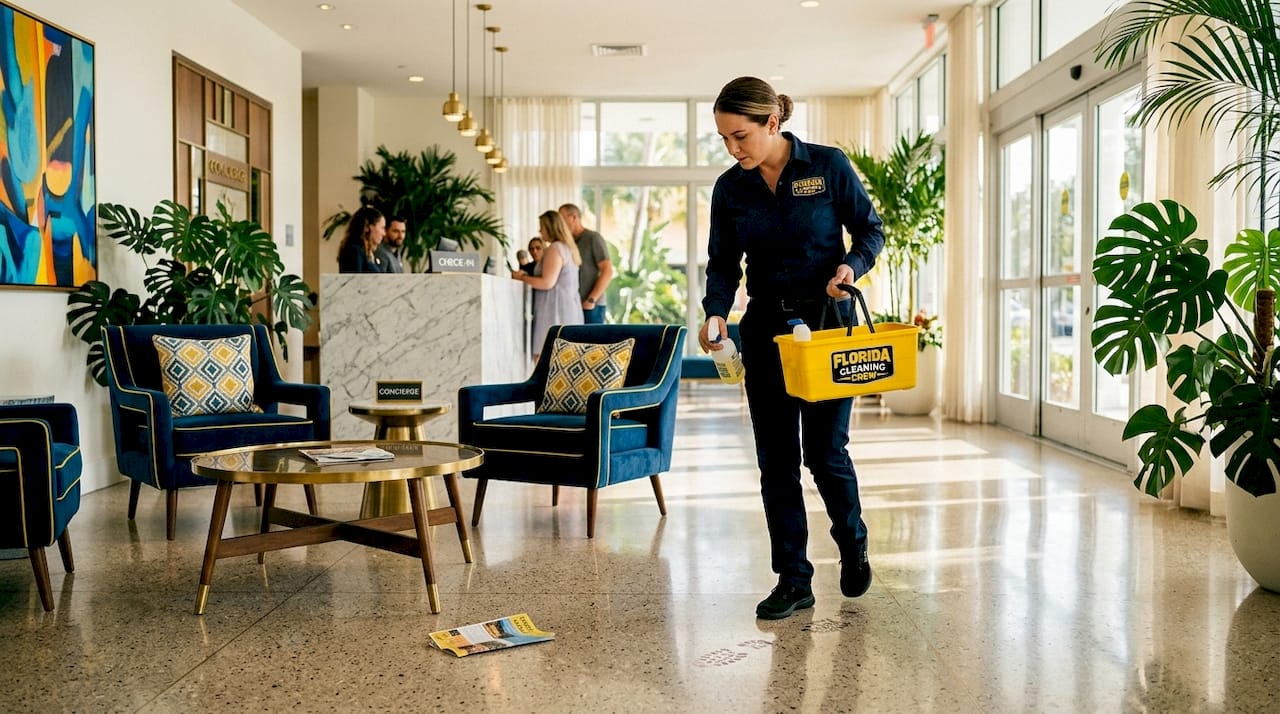
Most hospitality managers focus their energy on service training, menu development, or décor upgrades. But the role of cleaning in hospitality consistently outranks all of those factors when guests decide whether to return. A bad experience with dirty linens or a grimy restroom does not just generate a one-star review. It ends the relationship permanently. This guide breaks down exactly why cleanliness functions as the true foundation of guest satisfaction, how smart operational cleaning works at every level of your property, and what Tampa Bay hospitality businesses can do right now to raise the bar.
Table of Contents
- Key takeaways
- The role of cleaning in hospitality guest satisfaction
- Housekeeping operations and standards that matter
- Modern cleaning trends reshaping hospitality operations
- Practical strategies for Tampa Bay hospitality managers
- My take: cleaning is not a cost center, it is your brand
- How Floridacc helps Tampa Bay hospitality businesses stay guest-ready
- FAQ
Key takeaways
| Point | Details |
|---|---|
| Cleanliness outranks service | Guests rank cleanliness as the top satisfaction driver, above staff friendliness and amenities. |
| Restrooms signal your standards | 85% of guests form negative impressions from dirty restrooms, which directly shapes their view of the whole property. |
| SOPs prevent inconsistency | Structured workflows with top-to-bottom sequences and final inspections stop small oversights from becoming damaging reviews. |
| Deep cleaning protects assets | Scheduled deep cleaning resets the hygiene baseline and extends the lifespan of furniture, linens, and HVAC systems. |
| Professional partnerships deliver ROI | Outsourcing to experienced cleaning teams in Tampa Bay gives managers consistency without the labor management burden. |
The role of cleaning in hospitality guest satisfaction
Ask a hotel guest what ruined their stay and they almost never say the front desk staff was unfriendly. They say the room smelled musty, there was hair on the bathroom floor, or the lobby looked neglected. Cleanliness is the top driver of overall guest satisfaction, ranking higher than service quality. That is not a minor finding. It fundamentally changes how you should be allocating your operational attention.
The reason cleanliness carries so much weight is psychological. Guests form their first impression of a property within seconds of walking in. A gleaming lobby communicates competence. A stained carpet communicates neglect, regardless of how warm the greeting was. That mental snap judgment shapes every experience that follows, and it is almost impossible to reverse once it forms.
Here is where the numbers get serious:
- 86% of guests are unlikely to return after experiencing hygiene issues during their stay.
- 86% of U.S. adults expect restroom quality to directly reflect overall business quality.
- 85% of guests form negative impressions from a dirty restroom alone.
- 67% of guests are more likely to return to a business that maintains clean restrooms consistently.
Restrooms deserve special attention here. They are the single most surveyed area by guests outside of sleeping quarters, and they function as a proxy for the hygiene standards of your entire operation. A guest who encounters a dirty restroom at a Tampa Bay restaurant or hotel does not separate that experience from the rest of their visit. They apply it to everything.
Spotless linens and bathrooms send a direct signal to guests that the property cares about their comfort and wellbeing. That sense of care is what hospitality professionals talk about when they use terms like “home away from home.” It cannot be manufactured through branding alone. It has to be lived out through consistent, detailed cleaning every single day.
For properties in Tampa, Clearwater, and St. Petersburg, this connection between cleanliness and loyalty is especially visible given the volume of tourism and short-term rental activity in the region. Guests in this market have choices. The properties that hold repeat bookings and five-star reviews are almost universally the ones treating cleanliness as a guest experience priority rather than a maintenance function.
Housekeeping operations and standards that matter
Understanding the role of cleaning in the hospitality industry means looking beyond the guest room. Housekeeping covers lobbies, dining areas, event spaces, outdoor areas, elevators, stairwells, and shared amenities. Every one of those spaces contributes to how guests feel about the property as a whole.
A structured cleaning operation runs on Standard Operating Procedures. SOPs with top-to-bottom, clean-to-dirty workflows prevent cross-contamination and create the kind of consistency that keeps quality high regardless of which staff member is on duty. Without documented processes, quality becomes dependent on individual judgment. That is where properties run into problems, especially during high seasons when staff turnover or temporary hiring is common.
A solid housekeeping SOP typically works through the following sequence:
- Air the space first. Open windows or run ventilation before beginning any cleaning to clear stale air and improve visibility of dust and debris.
- Work top to bottom. Clean ceiling fans, light fixtures, and high shelves before moving to furniture and floors. Gravity does the work, not the staff.
- Apply clean-to-dirty logic. Start with the least contaminated surfaces and move toward the most. Always complete bathrooms last in a room.
- Sanitize high-touch points. Door handles, light switches, remote controls, and faucets need disinfectant contact time, not just a quick wipe.
- Conduct a final walk-through. A supervisor or lead housekeeper reviews every area against a detailed checklist before the space is marked ready.
The final inspection step is one that many operations skip under time pressure, and that is where reviews get damaged. Physical inspections with checklists catch the small details that individual housekeepers miss during busy turnover windows. A single missed detail, like a hair on the shower wall or a smudged mirror, is what a guest photographs and posts online.
Deep cleaning differs fundamentally from daily maintenance. Daily cleaning handles surface-level presentation. Deep cleaning resets the hygiene baseline by addressing mattress sanitization, HVAC vent dusting, grout scrubbing, and upholstery treatment. It also extends the lifespan of your physical assets significantly. Scheduling deep cleans quarterly or between high-traffic seasons protects your investment while maintaining the hygiene standards guests expect.
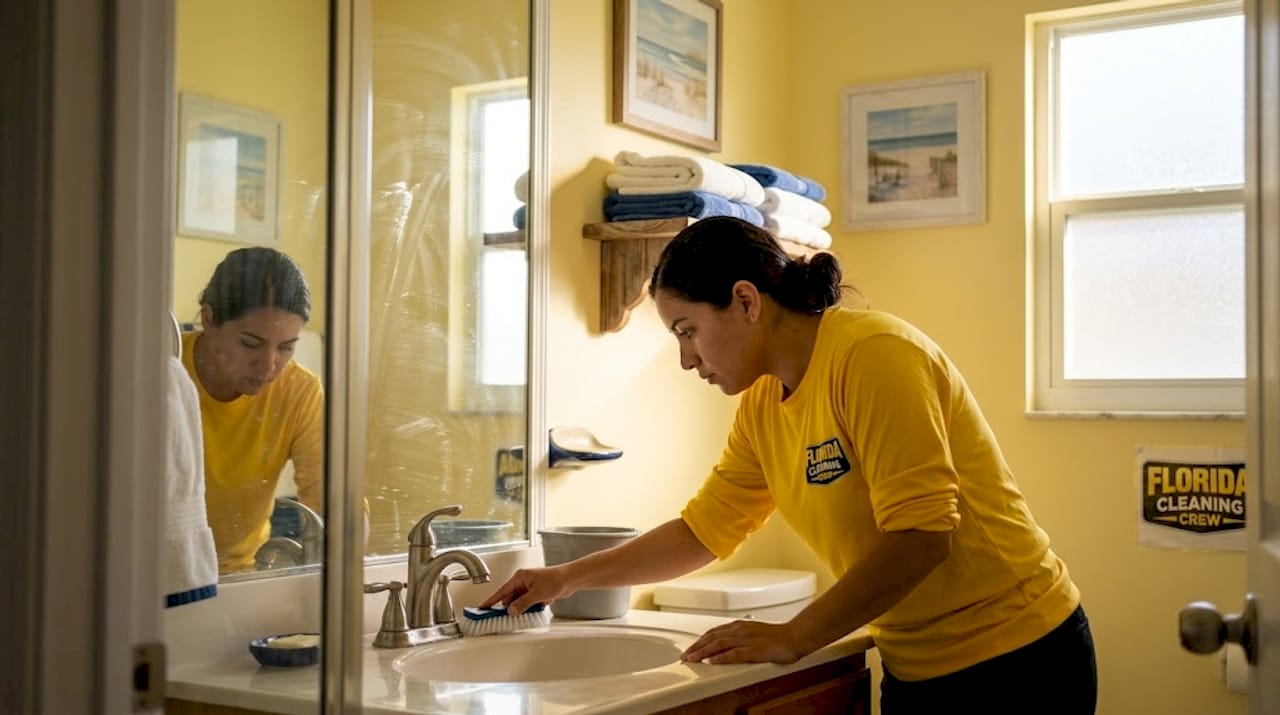
Pro Tip: Document your SOP in a visual format with photos of what a properly completed room looks like. New staff and temporary hires can reference it directly, which maintains quality standards without requiring a supervisor to shadow every clean.
Labor shortages are a real challenge for Tampa Bay hospitality managers, particularly during peak tourism cycles. Technology and smarter chemical use are starting to fill some of those gaps, but the foundation still has to be a well-documented process that any trained staff member can execute reliably.
Modern cleaning trends reshaping hospitality operations
The role of cleaning in the hospitality industry is not static. It is evolving quickly, driven by higher guest expectations, compliance requirements, and a growing market for better cleaning tools and products.
The housekeeping chemicals market for hotels is projected to grow from $3.20 billion in 2026 to $5.62 billion by 2036, at a compound annual growth rate of 5.80%. That growth is driven by three forces: stricter hygiene compliance standards, labor shortages pushing properties to use faster-acting products, and the need for quicker room turnover without sacrificing cleanliness.
Luxury hotel cleaning practices are reshaping standards across the entire commercial cleaning sector. What used to be expected only at five-star resorts, such as precise attention to presentation, white-glove detail checks, and sustainability commitments, is now trickling into mid-market hotels and short-term rental operations. Guests who have experienced high-end hospitality bring those expectations everywhere they stay.
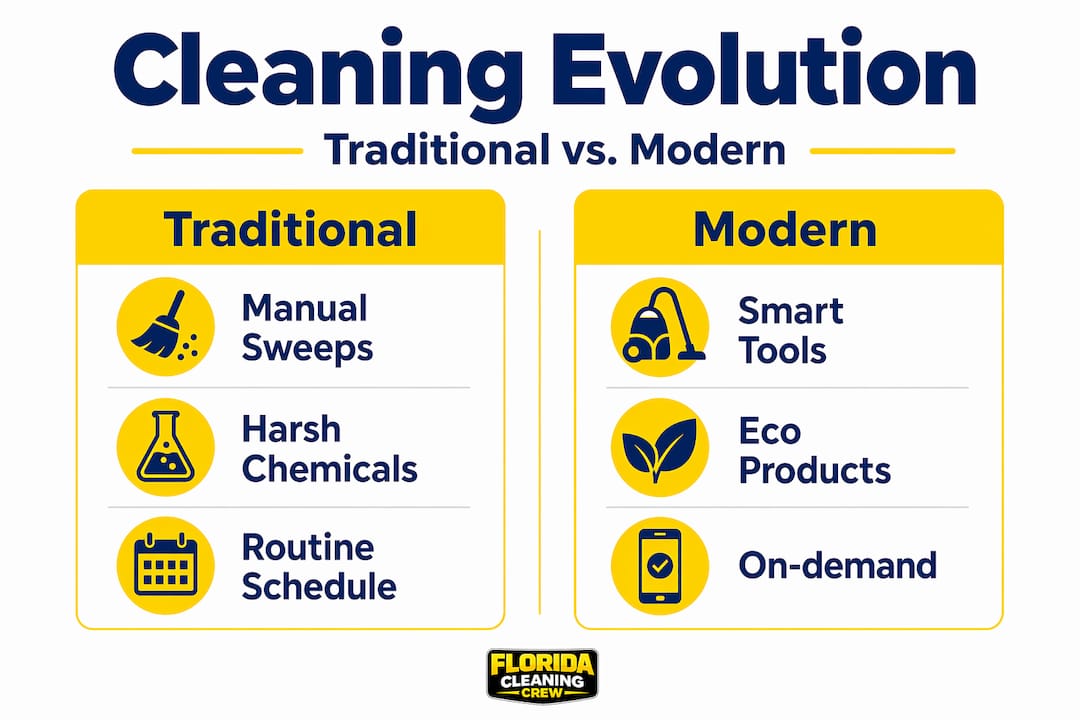
Here is a direct comparison of where the industry is moving:
| Area | Traditional approach | Modern approach |
|---|---|---|
| Disinfectants | Slow-acting, heavy chemical residue | Fast-acting, low-residue formulas safe for guests |
| Dispensing | Manual mixing, inconsistent concentrations | Smart dispensing systems with pre-set dilutions |
| Sustainability | Single-use plastics, strong fragrances | Refillable systems, fragrance-free and eco-certified products |
| Quality control | Supervisor memory and spot checks | Digital checklists, photo documentation, real-time reporting |
| Staff scheduling | Reactive based on check-outs | Data-driven scheduling aligned with occupancy forecasts |
Automation in cleaning does not mean robots are replacing housekeeping staff. It means smart tools are reducing the cognitive load on staff and the margin for human error. Dilution control systems, for example, prevent staff from using too much or too little chemical, which affects both hygiene effectiveness and operating cost.
Sustainability is also becoming a real differentiator for Tampa Bay properties competing for eco-conscious travelers. Switching to concentrated, low-residue products and reducing single-use packaging sends a visible message about your property’s values. Many guests notice and mention it in positive reviews.
Pro Tip: When evaluating new cleaning products, ask suppliers for dwell time data. A disinfectant that requires only 30 seconds of contact time versus two minutes can dramatically speed up room turnover without cutting corners on hygiene.
Luxury hotel standards emphasize employee presentation and detail as part of the cleaning experience itself. This is worth absorbing as a philosophy. Cleaning is not just chemistry. It is also the professionalism of the people performing it and the systems behind them.
Practical strategies for Tampa Bay hospitality managers
Tampa Bay’s hospitality market has its own rhythm. Tourism peaks in winter and spring, humidity creates specific mold and mildew challenges year-round, and the short-term rental scene in Clearwater, St. Petersburg, and South Tampa drives a highly competitive guest satisfaction environment. Generic cleaning advice does not fully account for that reality.
One of the highest-leverage moves a local hospitality manager can make is partnering with a professional cleaning service that understands these regional factors. A qualified team brings its own SOPs, trained staff, and equipment, which removes the burden of recruiting and managing in-house housekeeping labor during volatile staffing periods. You can review workplace cleanliness strategies tailored to Tampa Bay to see how properties in this region are structuring their cleaning programs.
Beyond outsourcing, there are specific practices that move the needle on guest satisfaction and operational efficiency:
- Align deep cleaning with seasonal transitions. Schedule intensive cleaning sessions before peak seasons, not during them. In Tampa Bay, this means preparing properties thoroughly in late fall before the winter tourism surge.
- Use guest feedback as a cleaning audit. Review comments on platforms like Google and Airbnb specifically for cleanliness mentions. Patterns in feedback often reveal the exact areas or processes that need attention.
- Train housekeeping staff on guest impact. When staff understand that a missed soap dispenser refill or a hair in the drain directly correlates to a one-star review, their attention to detail sharpens. This shifts the mindset from “getting rooms done” to “getting rooms right.”
- Create a humidity management protocol. Florida’s climate means bathrooms and storage areas can develop mildew between cleanings. Ventilation checks, moisture-absorbing products, and scheduled mold inspections should be part of every property’s cleaning program.
- Build a consistent inspection habit. Supervisors should be running quality checks against the same checklist every time, not doing informal walk-throughs based on feel. Consistency in inspection catches inconsistency in cleaning.
Common pitfalls to avoid include skipping the final inspection under time pressure, using the same cleaning cloths across different surfaces without changing them, and treating outdoor spaces as secondary to interior cleanliness. Guests who sit on a dirty patio or notice a stained entrance mat form the same negative impression as those who find a dirty room.
A vacation rental cleaning checklist built specifically for the Florida market can provide a ready-made framework that your team adapts rather than building from scratch. Having that structure already in place is the difference between consistent results and hoping the next clean goes well.
My take: cleaning is not a cost center, it is your brand
Over the years working closely with cleaning operations across Tampa Bay properties, I have seen the same pattern repeat itself. A manager invests heavily in renovating common areas or hiring a charismatic front desk team, then is puzzled when reviews still mention cleanliness problems. The truth is that guests experience a property in layers. The first layer, and the one that informs everything else, is always the physical state of the space.
Housekeeping is a strategic department, not just an expense line. I genuinely believe that failed cleaning standards cause a kind of trust damage that no amount of good service can fully repair. A guest who finds a dirty room will not be won over by a manager’s apology and a complimentary upgrade. The damage to their confidence in the property is already done.
What I find most interesting is the storytelling angle that most operators miss. Your cleaning standards are telling guests a story about your values. A property that invests in eco-friendly products, trains staff to take pride in their craft, and runs genuine inspection processes is communicating something specific about how much it values the guest’s presence. That is brand building. It is just happening through a mop and a checklist rather than a marketing campaign.
The shift I encourage Tampa Bay managers to make is treating housekeeping staff as brand ambassadors. They touch every corner of the guest experience, literally. When they feel invested in the outcome, when they understand what a clean room means to a tired traveler who just flew in from Chicago, the quality of their work reflects that. I have watched that shift transform operations in ways that staff training manuals and productivity quotas never could.
— Matt
How Floridacc helps Tampa Bay hospitality businesses stay guest-ready
Running a hospitality property well means your energy needs to go toward the guest experience, not toward managing cleaning logistics. That is where Floridacc makes a real difference for hotels, restaurants, vacation rentals, and commercial hospitality spaces across Tampa, Clearwater, and St. Petersburg.

Floridacc provides licensed, insured, and experienced cleaning teams who work around your operational schedule, whether that means early morning turns before check-in, late-night resets after events, or scheduled deep cleans between peak seasons. The team brings its own processes, eco-friendly products, and quality checks so you get consistent results without the overhead of managing an in-house cleaning department. Explore commercial cleaning for hospitality venues to see how Floridacc structures services for Tampa Bay businesses. Short-term rental hosts can also reference the vacation rental cleaning checklist to align your turnover expectations with professional standards. Request a free estimate and find out what a reliable cleaning partner looks like in practice.
FAQ
What is hospitality cleaning and why does it matter?
Hospitality cleaning refers to the structured, standards-driven cleaning of hotels, restaurants, vacation rentals, and related guest-facing spaces. It matters because cleanliness is the top driver of guest satisfaction, directly influencing return visits and online reviews.
How does cleanliness affect guest reviews and loyalty?
Research shows that 86% of guests will not return to a property after a hygiene-related issue, making cleanliness the single most impactful factor in repeat business and positive online ratings.
What is the difference between daily cleaning and deep cleaning in hospitality?
Daily cleaning maintains surface-level presentation between guest stays. Deep cleaning resets the hygiene baseline by addressing mattresses, HVAC vents, grout, and upholstery, and should be scheduled quarterly or between high-traffic seasons.
Why are final inspections so important in hotel housekeeping?
Supervisor inspections with checklists catch the small details that individual housekeepers miss during busy turnover periods. These missed details are often exactly what guests photograph and include in negative reviews.
How can Tampa Bay hospitality managers improve cleaning consistency?
The most reliable approach combines documented SOPs with regular staff training, structured final inspections, and a professional cleaning partner who brings their own processes and accountability. Scheduling deep cleans before peak tourism seasons in Tampa Bay also prevents hygiene baselines from degrading under high occupancy.