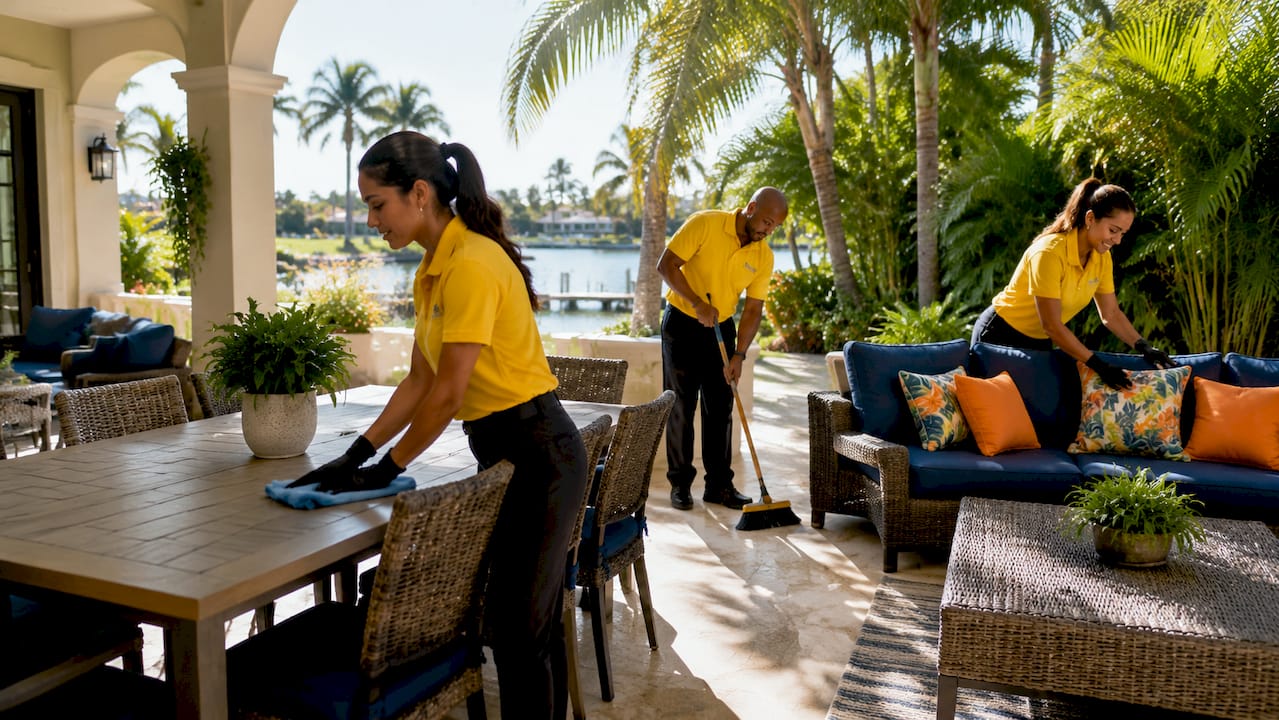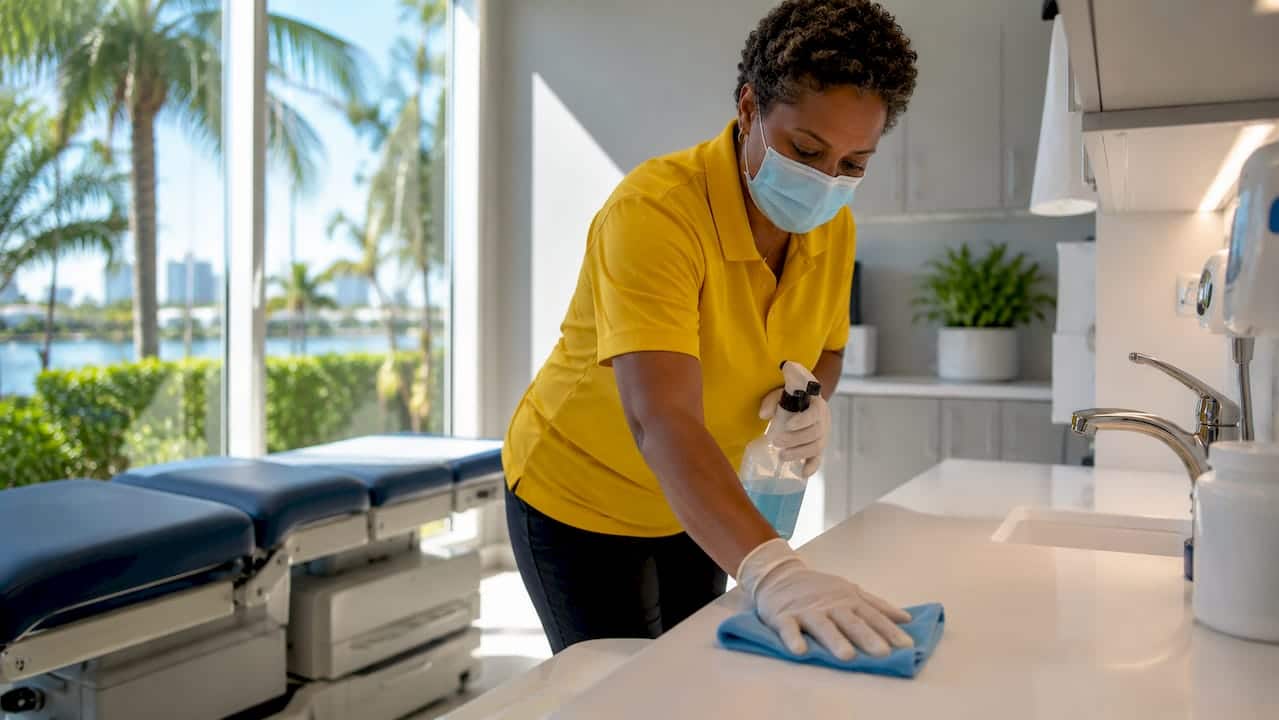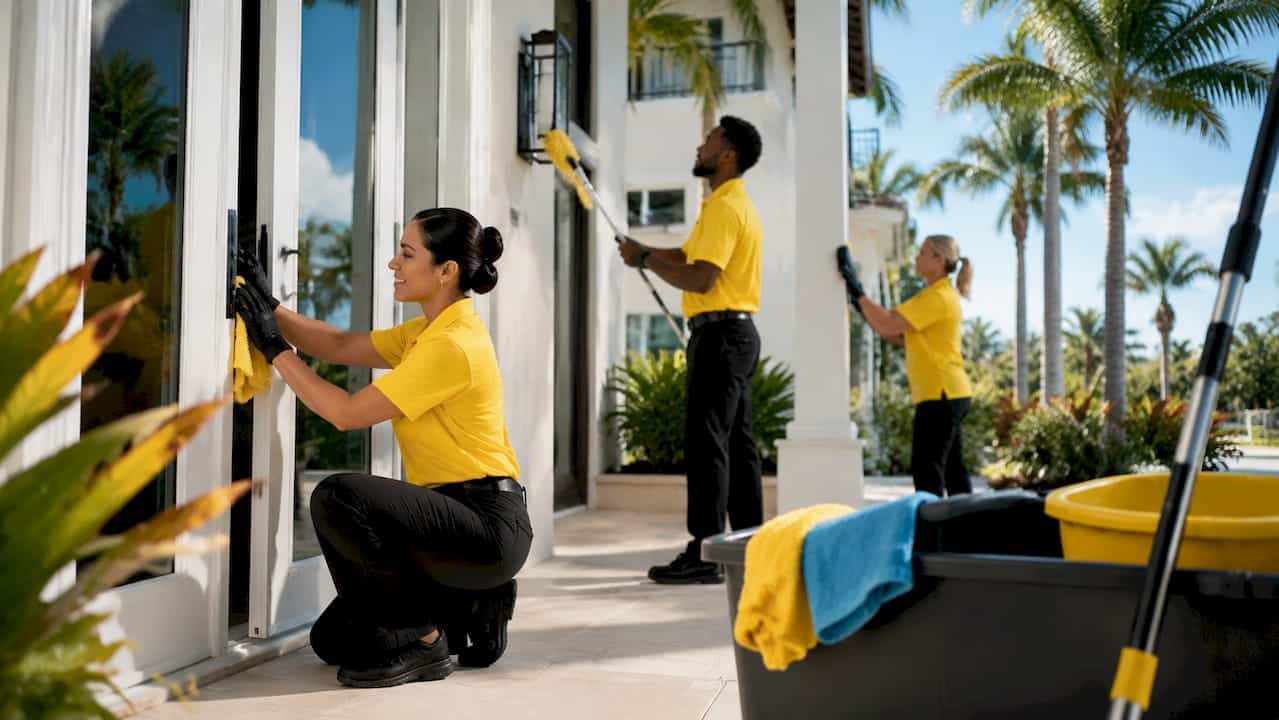
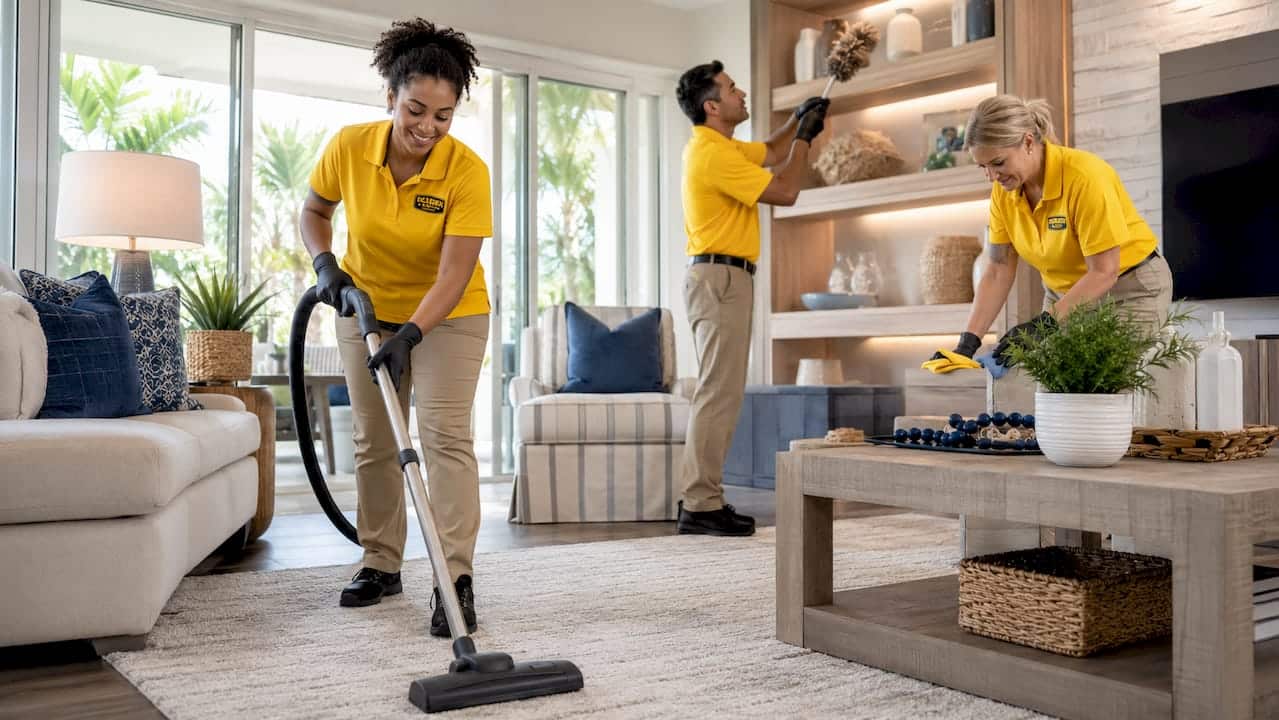
A model home cleaning service is a specialized professional cleaning designed to keep residential properties in showroom-ready condition at all times. Unlike standard house cleaning, this service follows strict daily and weekly protocols covering every visible surface, fixture, and staging element. Builders and developers use it to maintain buyer-ready presentation across multiple properties simultaneously. Homeowners and renters are increasingly adopting the same standards to keep their own homes consistently pristine, not just clean before guests arrive.
What does a model home cleaning service include?
A model home cleaning service covers far more ground than a typical residential cleaning visit. Top Clean Pros defines the scope as high-level dusting, fixture polishing, surface detailing, streak-free window cleaning, vacuuming, and full facility checks including light bulb replacements. The goal is not just cleanliness. It is flawless presentation, every single day.
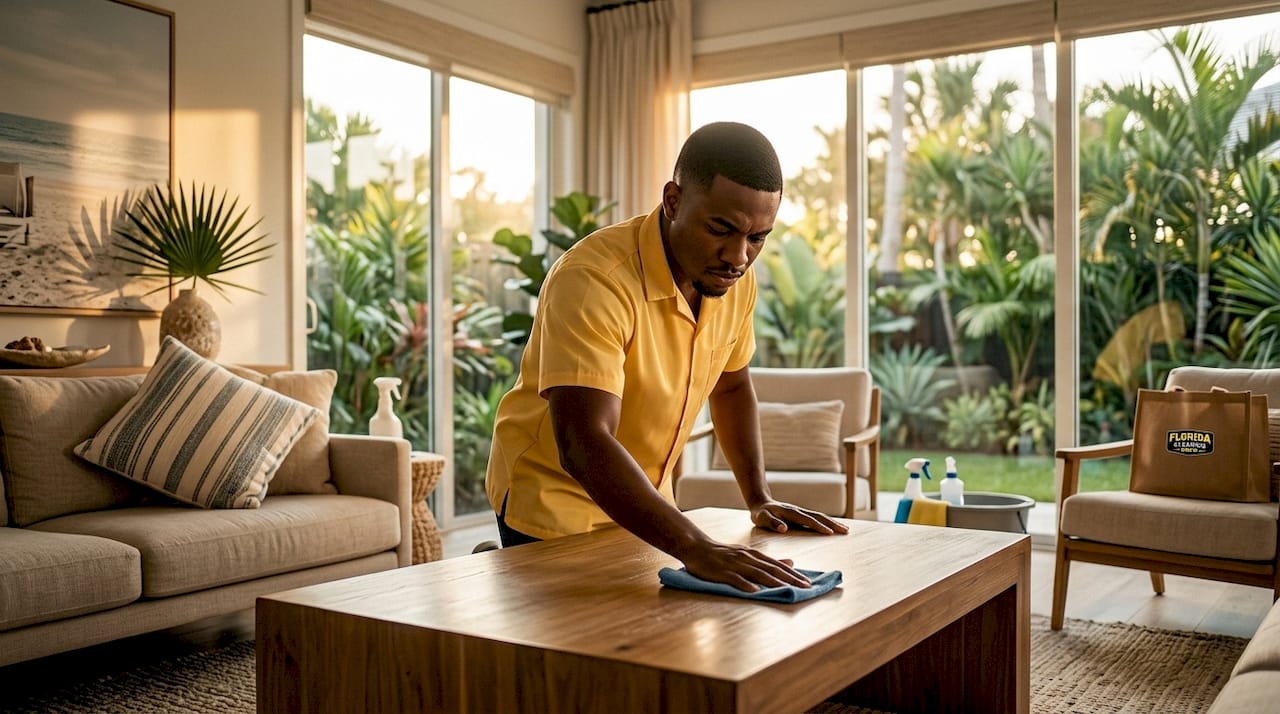
Core cleaning tasks
The task list for a model home cleaning service reads more like a hotel inspection checklist than a weekend chore list. Cleaners address entry points, kitchens, bathrooms, living areas, and staging zones with equal attention. Nothing gets a quick wipe and a pass.
- High-level dusting: ceiling fans, crown molding, light fixtures, and shelf tops
- Surface polishing: countertops, cabinet fronts, hardware, and appliances
- Streak-free windows: interior glass cleaned on every visit
- Appliance interiors: ovens, microwaves, and refrigerators kept spotless
- Vacuuming and floor care: hard floors mopped, carpets vacuumed on a set schedule
- Consumable stocking: hand soap, paper towels, and toilet paper restocked as needed
- Facility checks: light bulbs replaced, HVAC vents inspected, maintenance issues logged
Daily vs. weekly protocols
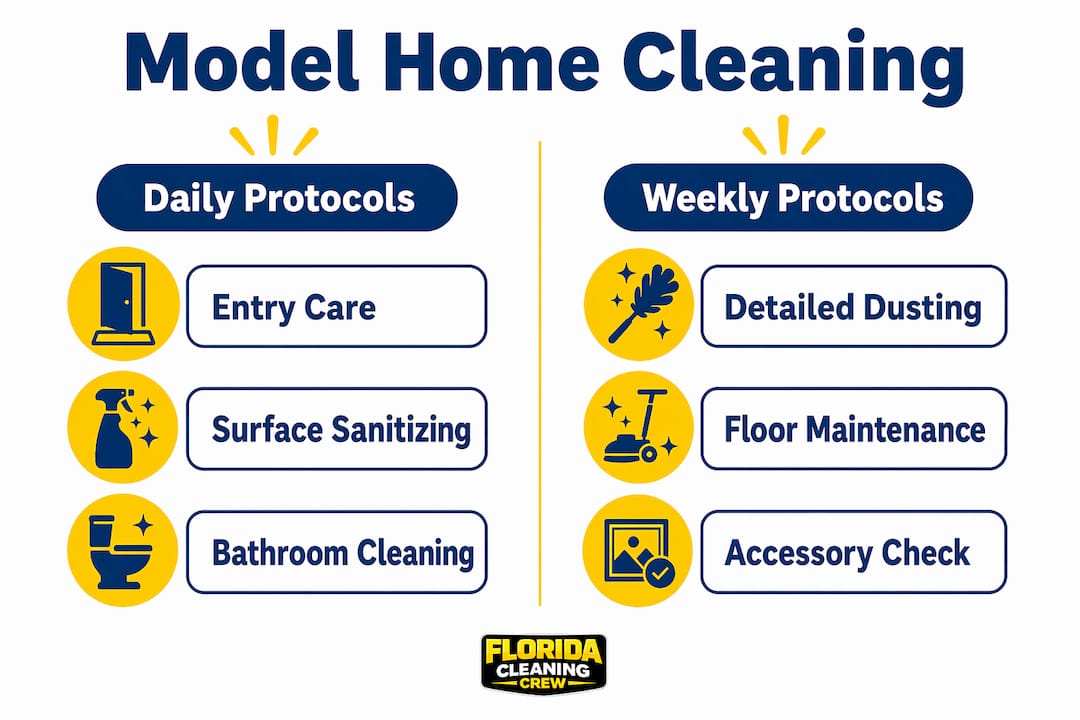
Model home cleaning runs on two rhythms. Daily walkthroughs address entry points, bathrooms, and high-traffic surfaces after each showing. Weekly deep cleans cover appliance interiors, baseboards, window tracks, and any staging elements that need refreshing. This two-tier structure is what separates the service from a standard bi-weekly residential clean.
Pro Tip: Ask any cleaning provider to show you their written protocol checklist before signing. A legitimate model home cleaning service has a documented scope of work, not a verbal promise.
Model home cleaning vs. standard residential cleaning
| Task | Model home cleaning | Standard residential cleaning |
|---|---|---|
| Frequency | Daily or weekly | Bi-weekly or monthly |
| Window cleaning | Every visit | Occasional or on request |
| Appliance interiors | Regular schedule | Deep clean only |
| Consumable stocking | Included | Not included |
| Facility monitoring | Active (light bulbs, HVAC) | Not included |
| Staging area attention | High priority | Not applicable |
| Written scope of work | Required | Varies by provider |
The table above makes one thing clear. Model home cleaning is a managed service, not a cleaning appointment. The difference in scope is significant for any homeowner who wants consistent, professional results.
How does model home cleaning differ from regular house cleaning?
Model homes function as commercial displays requiring flawless condition at all times. That distinction drives every difference between this service and a standard residential clean. A regular cleaning service resets a home to a livable standard. A model home cleaning service holds it to a showroom standard, day after day.
The buyer-eye protocol
The buyer-eye protocol is the defining concept behind model home cleaning. Every surface is evaluated from the perspective of a first-time visitor who is deciding whether to spend hundreds of thousands of dollars. High shelves, hardware finishes, grout lines, and staging accessories all receive scrutiny that a standard cleaner would skip entirely.
SparkTex Cleaners notes that every detail must appear flawless because model homes function as commercial showspaces, not lived-in homes. That mindset is what homeowners borrow when they apply model home standards to their own residences.
Key differences at a glance
- Consistency over convenience: Standard cleaning fits your schedule. Model home cleaning runs on the property’s showing schedule, which may mean daily visits.
- Deeper surface scrutiny: Hardware, light switch plates, and door frames get wiped on every visit, not just during deep cleans.
- Staging awareness: Cleaners reposition décor items and staging accessories back to their designated spots after each visit.
- Proactive facility monitoring: Providers report maintenance issues like dripping faucets or burned-out bulbs before a buyer notices them.
- Consumables management: Soap dispensers, paper products, and hand towels are restocked as part of the service, not billed separately.
Pro Tip: If you want to apply model home standards to your own home, start with the buyer-eye test. Walk through your front door as if you have never seen it before. The first three things you notice are the first three things a visitor will notice.
The room-by-room preparation approach used in open house cleaning follows the same logic. Treating every room as a staged space rather than a lived-in one is the fastest way to close the gap between standard and model home results.
How to choose the right model home cleaning service
Choosing a professional cleaning service at this level requires more than reading reviews. The Better Business Bureau recommends that consumers verify documentation upfront to prevent disputes over scope and pricing. That advice applies directly to model home cleaning, where the scope is broader and the expectations are higher.
What to verify before hiring
- Proof of insurance: The provider must carry both liability insurance and workers’ compensation. If a cleaner is injured in your home without coverage, you may be liable.
- Background checks: Reputable services run background checks on every employee. Ask for confirmation in writing.
- Written service agreement: The agreement should define exactly which areas are cleaned, how often, and what consumables or facility checks are included. Scope clarity upfront prevents disputes later.
- Client references: Ask for two or three references from clients with similar property types. A provider experienced with model homes will have them readily available.
- Multiple quotes: Experts recommend comparing at least three companies before committing. Pricing varies widely, and the cheapest option rarely delivers model home standards.
Questions to ask during the interview
Ask the provider how they handle a missed spot reported after a visit. Ask whether the same cleaner returns each time or whether staff rotates. Consistency in personnel matters because a returning cleaner learns the property’s specific staging layout and maintenance quirks. Ask how they communicate maintenance issues they notice during a visit.
The trial period approach
Angi recommends trial periods of 2–4 weeks for new clients evaluating a cleaning service. A trial period lets you assess consistency, communication, and reliability before signing a long-term contract. It also gives the provider time to learn your home’s specific needs and staging preferences.
Pro Tip: During a trial period, do the buyer-eye test after each visit. Walk in through the front door and note the first three things you see. If the same issue appears twice, raise it before the trial ends, not after you have committed to a contract.
For Tampa Bay homeowners, local providers in Tampa, Clearwater, and St. Petersburg are familiar with the humidity and dust conditions that affect how quickly surfaces need attention. A local provider also responds faster to schedule changes or emergency cleans after unexpected showings.
The residential cleaning guide for homeowners covers additional criteria for evaluating professional services, including what to expect from a first visit and how to set realistic frequency expectations.
What extra services come with model home cleaning?
Model home cleaning providers frequently bundle additional services to create a fully managed property upkeep package. Turn-key management goes beyond surface cleaning to include consumables stocking and proactive maintenance monitoring. For homeowners, these extras translate directly into a home that stays presentation-ready without constant personal effort.
Common add-on services
- Interior and exterior window cleaning: Streak-free glass on every visible pane, inside and out
- Pressure washing: Driveways, walkways, and exterior walls cleared of mold, mildew, and debris
- Carpet shampooing: Deep fiber cleaning on a quarterly or semi-annual schedule
- Emergency cleans: Same-day or next-day service before an unplanned showing or event
- HVAC vent cleaning: Dust removal from vents to maintain air quality and appearance
- Landscaping debris removal: Clearing leaves, pollen, and outdoor debris from entry areas
Extras comparison: benefits and typical frequency
| Extra service | Primary benefit | Typical frequency |
|---|---|---|
| Exterior window cleaning | Curb appeal and natural light | Monthly |
| Pressure washing | Removes mold, mildew, and staining | Quarterly |
| Carpet shampooing | Extends carpet life and removes odors | Semi-annual |
| Emergency clean | Readiness for unplanned showings | On demand |
| HVAC vent cleaning | Air quality and visual cleanliness | Annual |
| Landscaping debris removal | First impression at entry points | Weekly or as needed |
Bundling extras into a single contract with one provider is the most efficient approach. Single-point-of-contact services managing multiple tasks ensure consistent quality and prevent the coordination gaps that come with using separate vendors for cleaning, windows, and pressure washing.
For Tampa Bay properties, exterior services like pressure washing matter more than in drier climates. Florida’s humidity accelerates mold and mildew growth on driveways, pool decks, and exterior walls. Scheduling exterior pressure washing quarterly keeps those surfaces from becoming a liability during a showing or a guest visit.
Construction-related cleaning follows a similar logic. Three-phase construction cleaning covers rough clean, final clean before a certificate of occupancy walkthrough, and touch-up cleans for model home staging. Homeowners completing renovations can apply the same phased approach before listing or hosting.
Key Takeaways
A model home cleaning service is the most thorough residential cleaning standard available, built around daily consistency, buyer-focused scrutiny, and proactive facility management rather than periodic tidying.
| Point | Details |
|---|---|
| Definition and scope | Model home cleaning maintains homes in showroom condition through daily walkthroughs and weekly deep cleans. |
| Core difference from standard cleaning | It includes consumables stocking, facility monitoring, and staging attention that standard services do not cover. |
| Hiring criteria | Verify insurance, background checks, written agreements, and references before signing any contract. |
| Trial period value | A 2–4 week trial lets you evaluate consistency and communication before a long-term commitment. |
| Extra services | Bundling window cleaning, pressure washing, and emergency cleans with one provider prevents quality gaps. |
Why model home standards are worth borrowing for everyday living
I have spent years watching homeowners treat professional cleaning as a reactive fix rather than a proactive system. They call a cleaner before a dinner party or a home sale. Then they wonder why the results never quite match what they imagined. Model home cleaning flips that logic entirely.
The buyer-eye protocol is not just for real estate. It is a useful discipline for anyone who wants their home to feel genuinely welcoming rather than just passable. When you walk through your front door the way a stranger would, you notice things that familiarity hides. The smudge on the light switch plate. The dust on the ceiling fan blade. The soap dispenser that is three-quarters empty. These details do not register when you live with them every day. They register immediately to anyone who does not.
What I find most underused is the written scope of work. Homeowners who hire cleaners without a documented agreement almost always end up frustrated. Not because the cleaner is bad, but because expectations were never aligned. A one-page document defining which rooms, which tasks, and which frequency eliminates most of the friction I see in client-provider relationships.
The trial period advice from Angi is genuinely good. Two to four weeks is enough time to know whether a provider is consistent, communicates well, and actually learns your home. Committing to a six-month contract before that trial is a mistake I have seen homeowners make repeatedly.
For Tampa Bay residents, the local climate adds a layer of complexity that national cleaning guides ignore. Humidity, pollen, and mold pressure mean that exterior surfaces and window tracks need more frequent attention than they would in a drier state. A provider who understands that context is worth more than a cheaper option that does not.
The house cleaning vs. deep cleaning distinction matters here too. Model home cleaning sits above both. It combines the regularity of routine cleaning with the thoroughness of a deep clean, applied consistently rather than occasionally.
— Matt
Floridacc brings model home standards to Tampa Bay homes
Floridacc serves homeowners across Tampa, Clearwater, and St. Petersburg with residential cleaning built around the same consistency and detail that model home protocols demand. Every visit follows a documented scope of work, and the team is licensed, insured, and background-checked.

Whether you want weekly maintenance cleaning or a full deep clean before a showing or event, Floridacc builds a plan around your home’s specific needs. The residential cleaning guide for homeowners walks through what to expect from a professional service, how to set frequency, and what a buyer-ready clean actually looks like room by room. If you are ready to stop reacting and start maintaining, Floridacc is the place to start.
FAQ
What is a model home cleaning service?
A model home cleaning service is a specialized professional cleaning that maintains residential properties in buyer-ready, showroom condition through daily or weekly protocols covering surfaces, staging, consumables, and facility checks.
How is model home cleaning different from regular house cleaning?
Model home cleaning runs on a stricter schedule, includes consumables stocking and facility monitoring, and applies a buyer-eye standard to every surface. Standard residential cleaning is more episodic and does not include staging or proactive maintenance.
What should I look for when hiring a model home cleaning service?
Verify that the provider carries liability and workers’ compensation insurance, runs background checks on employees, provides a written service agreement, and can supply client references. Comparing at least three providers before committing is the recommended approach.
How long should a trial period be before signing a contract?
Angi recommends a trial period of 2–4 weeks to evaluate consistency, communication, and reliability before agreeing to a long-term contract.
Can homeowners apply model home cleaning standards without hiring a specialist?
Yes. Homeowners can adopt the buyer-eye protocol, create a written cleaning checklist, and schedule tasks on a daily and weekly rhythm. For full results, hiring a professional service with a documented scope of work delivers the most consistent outcome.