TL;DR:
- Cleanliness ratings directly impact bookings, revenue, and Superhost eligibility for vacation rentals.
- Tampa Bay properties require specialized cleaning for sand, mildew, and outdoor spaces due to local climate.
- Consistent, systematized cleaning with photo documentation ensures high standards and protects against disputes.
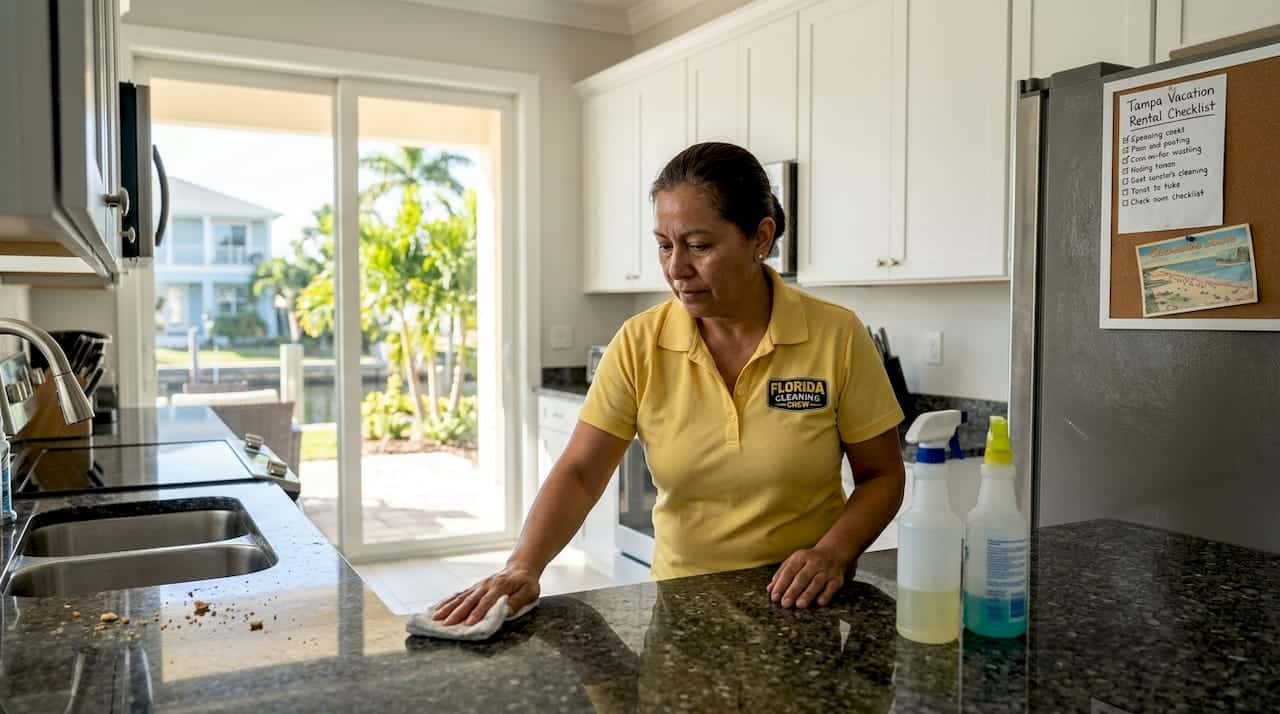
One overlooked coffee ring on a nightstand. A faint mildew smell in the bathroom. A clump of sand near the back door. Any one of these tiny details can trigger a one-star cleanliness review, and in the short-term rental world, that single review can cost you far more than a few minutes of extra scrubbing. Listings scoring below 4.8 cleanliness see up to 20% fewer bookings, and even one negative cleanliness mention can reduce occupancy by 5%. Tampa Bay hosts face a specific set of challenges that most generic checklists ignore: coastal sand tracked through every room, year-round humidity that breeds mildew, and outdoor spaces that need as much attention as the interior. This guide gives you a practical, field-tested checklist built for Tampa properties, so you can protect your ratings, stay compliant, and keep guests coming back.
Table of Contents
- Why your cleaning checklist matters: Ratings, revenue, and risk
- The step-by-step vacation rental cleaning checklist
- Tampa Bay cleaning challenges: Sand, mildew, and outdoor spaces
- Deep cleans, inspections, and avoiding costly mistakes
- The real secret: Consistency and professionalism win the day
- Level up your turnovers with expert Tampa cleaning solutions
- Frequently asked questions
Key Takeaways
| Point | Details |
|---|---|
| Cleanliness boosts bookings | Properties with high cleanliness scores enjoy more bookings and higher revenue. |
| Checklist consistency is key | Using a repeatable, detailed cleaning checklist ensures reviews remain positive and inspections are passed. |
| Tampa-specific cleaning matters | Addressing sand, humidity, and outdoor areas is vital for vacation rentals in the Tampa Bay area. |
| Deep cleaning protects reputation | Quarterly deep cleans and detailed inspections prevent negative reviews and costly compliance issues. |
Why your cleaning checklist matters: Ratings, revenue, and risk
Cleanliness is not just about appearances. On Airbnb, it is one of the most heavily weighted categories in the guest review system, and your score directly shapes how often your listing appears in search results. A systematic approach to cleaning is not optional for serious hosts. It is the foundation of your business.
The numbers behind the standard
Airbnb uses a 5-star rating system, and the cleanliness threshold that separates struggling listings from high-performing ones sits at 4.8 stars. Turnover cleaning after every stay, with focused attention on high-touch surfaces, linens, bathrooms, and kitchens, is the baseline requirement to maintain that threshold and qualify for Superhost status. Drop below it consistently, and the algorithm quietly buries your listing.
Superhost status is not just a badge. It signals trust to guests who are choosing between similar properties. Hosts who hold Superhost status typically see higher nightly rates and more consistent bookings throughout the year. The bar is high, and cleanliness is the single easiest category to control.
Legal compliance in Florida
Beyond Airbnb’s internal standards, Tampa Bay hosts must also meet Florida DBPR sanitation standards under Statute §509. These rules apply to all public lodging establishments, which includes vacation rentals. Inspectors can issue fines for soiled linens, unclean bathrooms, and general hygiene failures. The law does not mandate a specific checklist format, but it does set a clear floor for what is acceptable.
The practical takeaway: your checklist needs to satisfy two audiences at once. Airbnb guests expect a hotel-level experience. State inspectors expect documented hygiene compliance. A well-built checklist covers both.
What the data tells us
| Metric | Below 4.8 cleanliness | 4.8+ cleanliness |
|---|---|---|
| Booking rate impact | Up to 20% fewer bookings | Optimal search visibility |
| Superhost eligibility | Not eligible | Eligible |
| Guest Favorite badge | Not achievable | Achievable |
| Occupancy risk | 5% drop per bad review | Stable or growing |
Hosts who invest in Superhost cleaning standards consistently outperform those who treat cleaning as an afterthought. The data is clear: cleanliness is a revenue lever, not just a hygiene requirement.
Key areas your checklist must cover at minimum:
- All high-touch surfaces: light switches, door handles, remote controls, and cabinet pulls
- Linens, pillowcases, and mattress protectors changed and washed after every stay
- Full bathroom sanitization including grout, fixtures, and behind the toilet
- Kitchen appliances inside and out, including the fridge, microwave, and stovetop
- Floors vacuumed and mopped, with attention to corners and under furniture
For a deeper breakdown of what goes into a proper turnover, our turnover cleaning guide walks through every step in detail. You can also explore our Airbnb cleaning tips for host-specific strategies.
The step-by-step vacation rental cleaning checklist
A checklist only works if it is specific enough to be actionable. Vague instructions like “clean the kitchen” leave too much room for inconsistency. The goal is a task-by-task sequence that any cleaner can follow and any host can verify.
How long should a turnover take?
Turnover times vary by property size: a one-bedroom typically takes 60 to 90 minutes for a single cleaner, a two-bedroom runs 90 to 120 minutes, and a three-bedroom or larger requires 2 to 3 hours. Deep cleans, scheduled every 3 to 6 months, take 2 to 4 times longer. Build your booking gap windows around these realistic timeframes, not optimistic ones.
Room-by-room checklist
- Entry and living areas: Vacuum all floors and upholstery, wipe down all surfaces, clean light switches and remotes, check under cushions for debris, restock any guest supplies.
- Bedrooms: Strip and replace all linens, check mattress protectors, dust all surfaces including ceiling fans, inspect closets and drawers for left items, vacuum under the bed.
- Bathrooms: Scrub toilet inside and out, clean sink and mirror, sanitize shower or tub, check grout for mildew, replace toiletries, fold towels in a presentable way.
- Kitchen: Empty the fridge of guest food, sanitize all appliances inside and out, run the dishwasher, disinfect counters and the sink, and check under the stove and fridge for crumbs or spills.
- Final walkthrough: Smell test for any lingering odors, visual check for missed spots, confirm all supplies are stocked, stage the space per your listing photos.
Pro Tip: Use a professional inspection checklist with photos taken after every turnover. Comparing before and after images catches missed areas and protects you in damage disputes.
Comparison: DIY checklist vs. digital checklist tool
| Feature | Paper or DIY checklist | Digital checklist tool |
|---|---|---|
| Accountability | Low, easy to skip | High, timestamped entries |
| Consistency across cleaners | Inconsistent | Standardized |
| Photo documentation | Manual and unreliable | Built-in and automatic |
| Guest dispute protection | Weak | Strong |
Our downloadable Tampa cleaning checklist is built specifically for local hosts and includes all the regional details covered in this guide.
Tampa Bay cleaning challenges: Sand, mildew, and outdoor spaces
Tampa Bay is a beautiful place to host guests, but the environment creates cleaning demands you will not find in a generic Airbnb checklist. Sand, salt air, and year-round humidity are not occasional problems. They are constant variables that require a dedicated strategy.
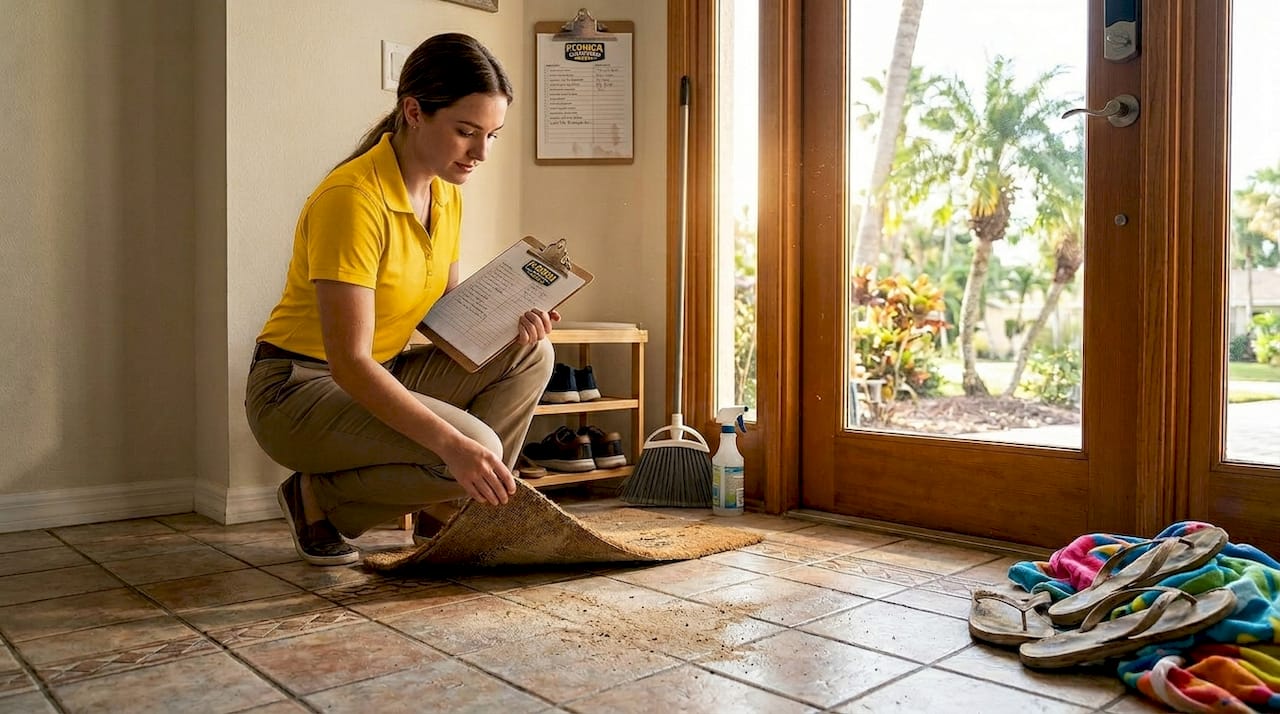
Sand is relentless
Guests arriving from Clearwater Beach or St. Pete Beach track sand into every corner of your property. It settles into grout lines, collects under furniture, and embeds in upholstery. A standard vacuum pass is not enough. You need a two-pass system: vacuum first, then mop hard floors with a damp mop to catch what the vacuum missed.
Entry areas deserve special attention. A dedicated mat system, a small brush near the door, and a reminder card for guests to rinse off before entering can reduce the volume of sand significantly. That said, assume sand will always make it inside and plan your cleaning time accordingly.
Mildew is a year-round threat
Tampa Bay’s humidity demands mildew checks on grout, outdoor cushions, and shower curtains at every turnover. High humidity in Florida means mildew can establish itself in as little as 48 hours on porous surfaces. If you spot early-stage mildew during a turnover, treat it immediately. Letting it sit between stays accelerates the problem and creates the kind of smell that guests notice the moment they walk in.
Pet-friendly properties need a deep clean every 2 to 3 months in Florida’s climate. Dander, odors, and moisture trapped in soft furnishings create a compounding problem that routine turnovers cannot fully address.
Outdoor spaces need a dedicated checklist
Summer cleaning in Tampa Bay means porch sweeps, outdoor furniture mildew spray, and regular attention to any covered outdoor areas where moisture collects. Outdoor furniture, grills, and pool decks are often what guests photograph first. A dirty patio undermines an otherwise spotless interior.
Essential outdoor checklist items for Tampa rentals:
- Sweep and rinse all patio or deck surfaces
- Wipe down outdoor furniture and check cushions for mildew
- Clean the grill grates and empty grease traps
- Check pool area for debris, algae, and proper supply levels
- Rinse any exterior doors or windows with salt or sand buildup
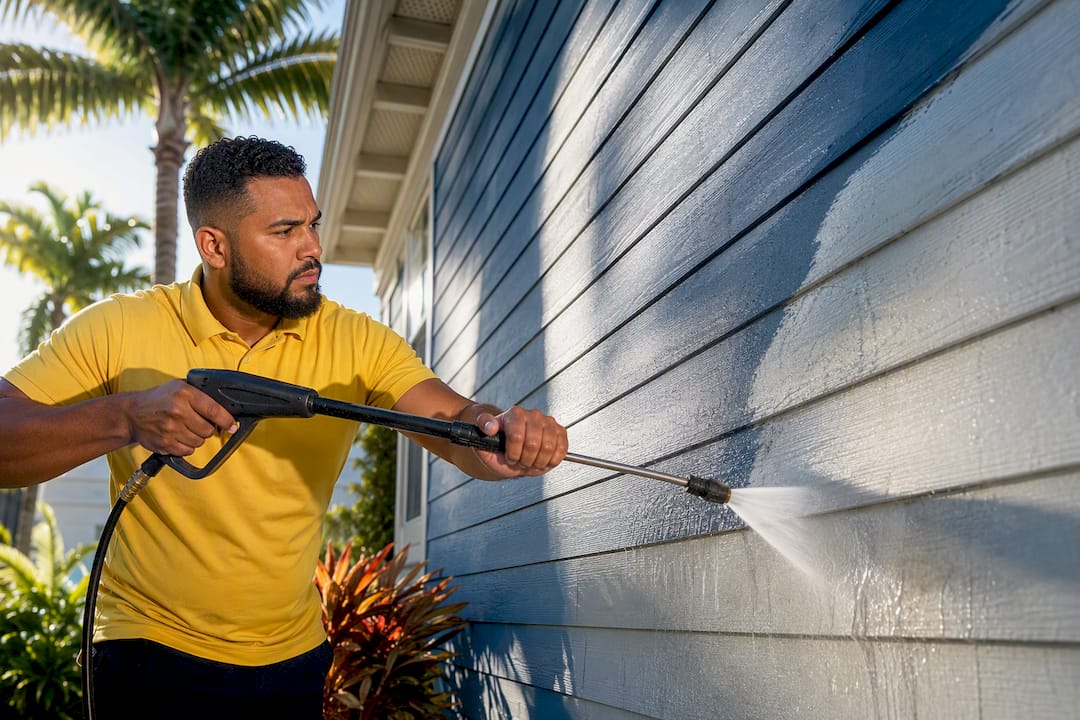
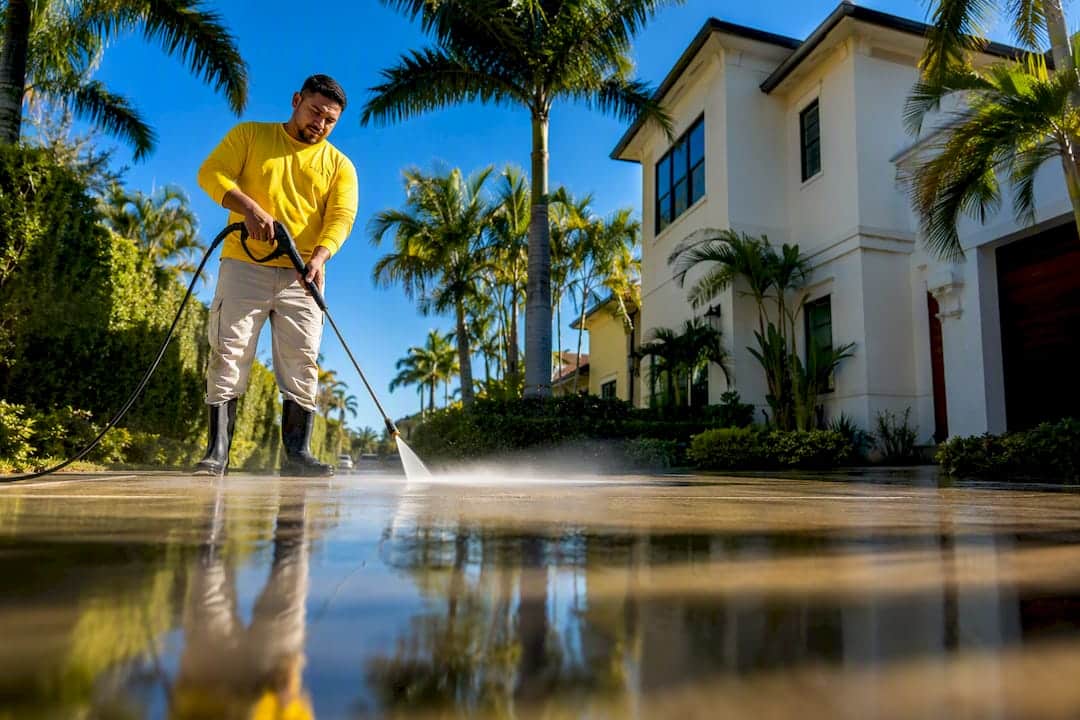
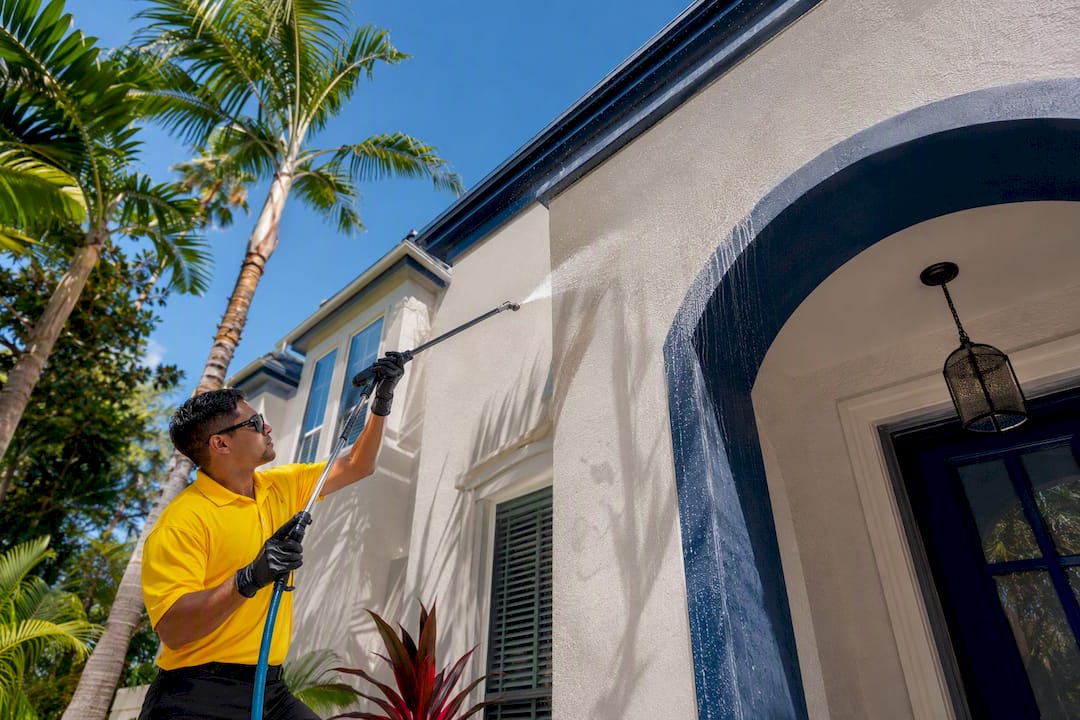
Pro Tip: Schedule a pressure washing session for driveways, patios, and exterior walls every 3 to 4 months. In Tampa’s climate, algae and mildew accumulate on exterior surfaces faster than in drier climates, and a clean exterior sets the right first impression.
For properties with a lot of glass, regular window cleaning for rentals removes salt film and water spots that make even a well-maintained property look neglected from the outside.
“Same-day turnovers in Tampa require at minimum a 4-hour window and a dedicated cleaning team. Trying to rush a full turnover in 2 hours is the fastest way to miss the details that generate bad reviews.”
Deep cleans, inspections, and avoiding costly mistakes
Routine turnovers keep your property guest-ready between stays. Deep cleans are what prevent the slow accumulation of grime, wear, and odor that eventually shows up in your reviews as a pattern rather than a one-off complaint.
When to schedule deep cleans
Deep cleans every 3 to 6 months balance cost and effectiveness for most Tampa Bay rentals. The 3-month schedule makes sense for high-turnover properties or those that allow pets. The 6-month schedule works for seasonal rentals with lower guest volume. Either way, do not skip them. Buildup in grout, behind appliances, and inside HVAC vents is invisible during a standard turnover but very visible to a guest who looks closely.
For guidance on finding the right schedule for your property, our article on how often to deep clean breaks down the decision by property type and usage. You can also read our deep cleaning explained overview for a clear picture of what a deep clean actually covers.
The post-clean inspection process
A post-clean inspection should be a non-negotiable step after every turnover. Professional vacation rental managers use a structured process that includes a smell test, a hair check on all surfaces, a light and functionality test for every switch and appliance, a supply inventory, a check under all furniture, and a staging comparison against your listing photos.
Photo documentation during this inspection is not optional. It is your primary defense if a guest claims damage or missing items.
- Walk through every room with your phone camera
- Document the condition of furniture, appliances, and linens
- Confirm all consumables are stocked to your standard
- Check that staging matches your listing photos exactly
- Note any maintenance issues for follow-up before the next guest arrives
Pro Tip: Create a shared photo album for each property and add timestamped inspection photos after every turnover. This creates an undeniable record that protects you from false damage claims.
Avoid the guest-cleaning trap
Some hosts try to offset cleaning labor by requiring guests to complete extensive checkout tasks. This is a mistake. Excessive guest checkout demands violate Airbnb policy, which states that cleaning fees cover standard turnover cleaning, not guest chores like vacuuming or washing dishes. Guests who feel burdened by checkout requirements leave lower reviews, and those reviews mention the cleaning fee as unfair. Keep checkout requests minimal: take out trash, start the dishwasher, and lock up.
| Deep clean frequency | Best for | Cost efficiency |
|---|---|---|
| Every 3 months | High-turnover, pet-friendly | Higher cost, lower risk |
| Every 6 months | Seasonal, lower volume | Lower cost, moderate risk |
| Annually | Very low use properties | Lowest cost, higher buildup risk |
The real secret: Consistency and professionalism win the day
Here is something most cleaning guides will not tell you: the product you use matters far less than the system behind it. Hosts chase miracle sprays, enzyme cleaners, and UV sanitizers. None of that matters if the person using them does not have a repeatable process and a clear standard to meet.
The Airbnb Guest Favorite badge is associated with a 104% revenue increase and requires a consistent 4.8 or higher cleanliness score across multiple stays. That kind of consistency does not come from trying harder on bad days. It comes from a system that delivers the same result regardless of who is cleaning, what time the previous guests checked out, or how tight the turnover window is.
General house cleaners are skilled at what they do, but short-term rental turnovers are a different discipline. STR-specific cleaners understand staging, supply restocking, photo documentation, and the specific sequence that makes a property look guest-ready rather than just clean. That distinction matters enormously when you are trying to maintain a 4.9 rating across dozens of stays.
Digital checklists with photo verification are not a luxury. They are the accountability layer that makes consistency possible. When every cleaner follows the same documented process and uploads photos at each step, you get a repeatable result. When something goes wrong, you know exactly where the breakdown happened.
Hosts who invest in what sets pros apart from generalist cleaners see the difference within a few booking cycles. Fewer complaints, higher scores, and less time spent managing cleaning problems means more time growing your rental business.
Level up your turnovers with expert Tampa cleaning solutions
If you are managing one or multiple Tampa Bay vacation rentals, the difference between a 4.6 and a 4.9 cleanliness score often comes down to having the right team and the right process in place. Our vacation rental cleaning checklist gives you a ready-to-use framework built specifically for Tampa properties, covering everything from sand removal to mildew prevention.

At Florida CC, we specialize in STR turnovers across the Tampa Bay area, with checklist-based processes, photo documentation, and teams trained specifically for short-term rental standards. Whether you need a one-time deep clean or a recurring turnover schedule, our house cleaning Tampa Bay services are designed to keep your ratings high and your guests satisfied. Explore everything we offer at Tampa cleaning services and request a free estimate today. Your next five-star review starts with the right cleaning partner.
Frequently asked questions
What are the essential steps for a Tampa vacation rental turnover cleaning?
A turnover cleaning covers sanitizing all high-touch surfaces, changing linens, deep cleaning kitchens and bathrooms, checking for sand and mildew, and completing a final inspection to confirm the property is guest-ready.
How often should deep cleans be scheduled for Tampa Bay rentals?
Deep cleans every 3 to 6 months work well for most Tampa rentals, with more frequent scheduling for high-turnover or pet-friendly properties to prevent buildup and stay compliant with Florida lodging standards.
Do Tampa Bay vacation rentals have unique cleaning requirements?
Yes. Tampa Bay’s sand and humidity require extra attention to outdoor spaces, mildew prevention on grout and furniture, and thorough sand removal after every guest stay, especially during the busy summer season.
Can I require guests to handle cleaning tasks at checkout?
Hosts can request minor tasks like taking out trash, but Airbnb policy is clear that cleaning fees cover standard turnover work only, not extensive guest chores like vacuuming or scrubbing surfaces.