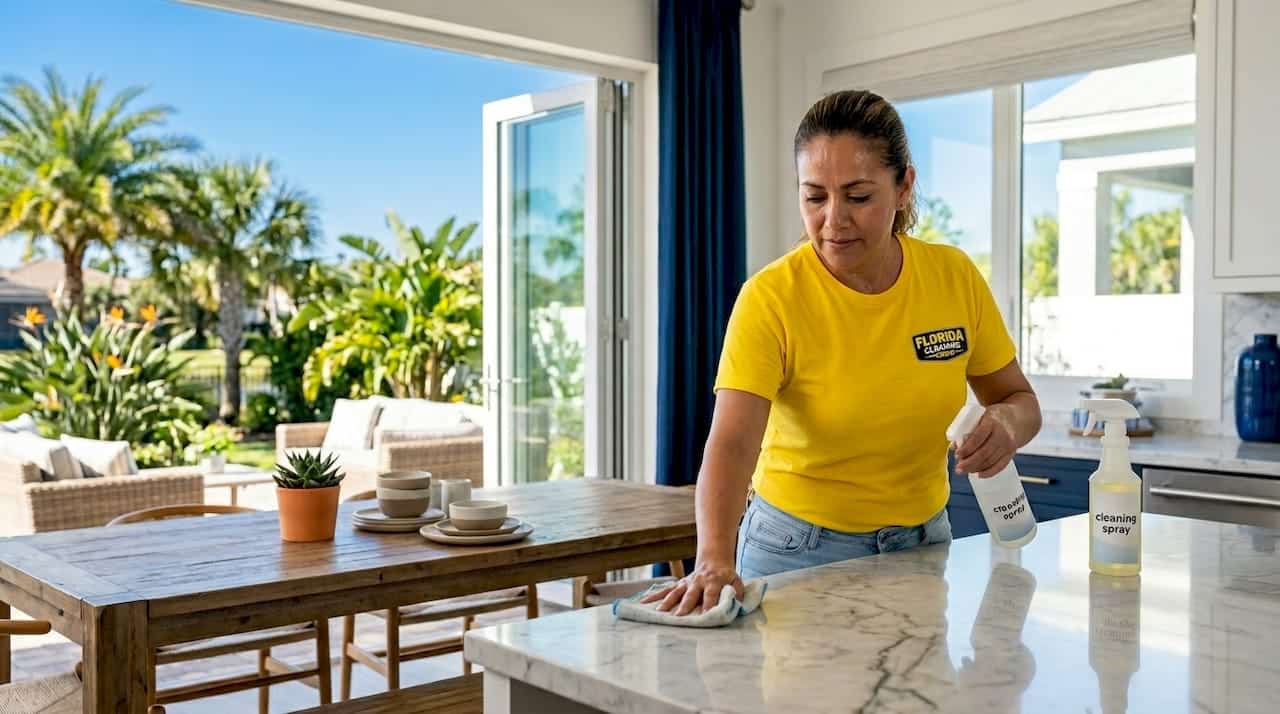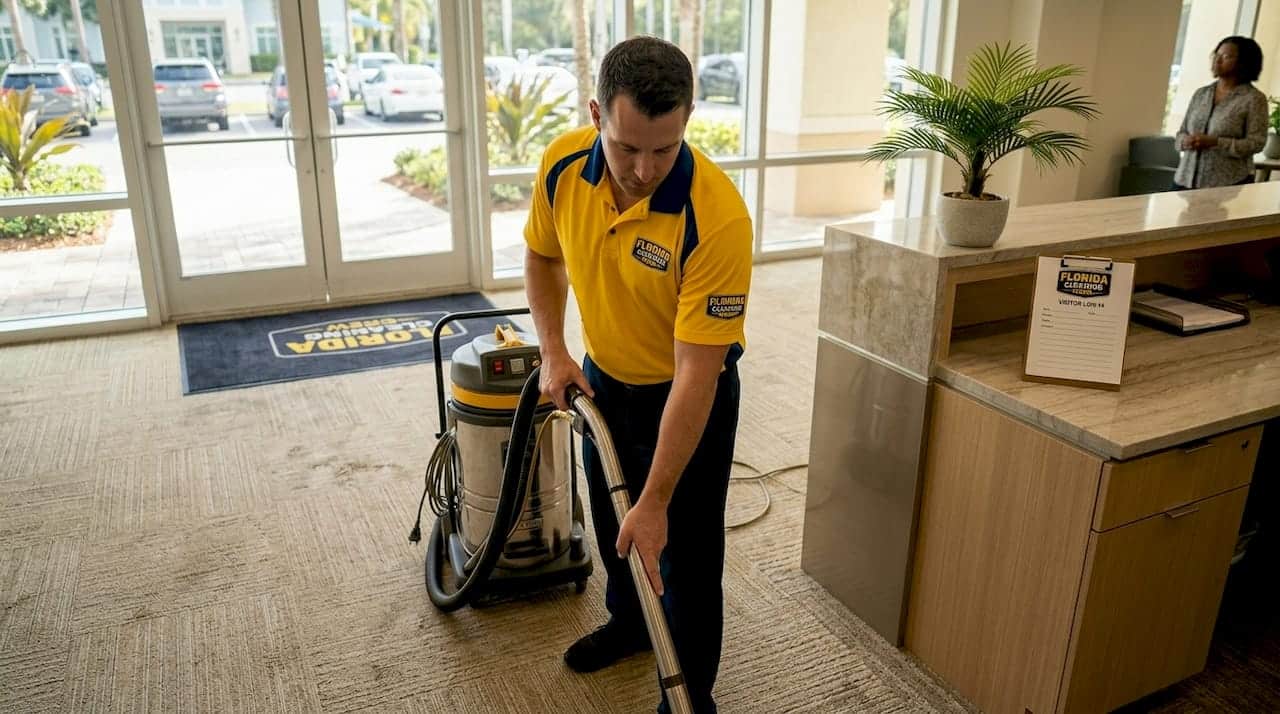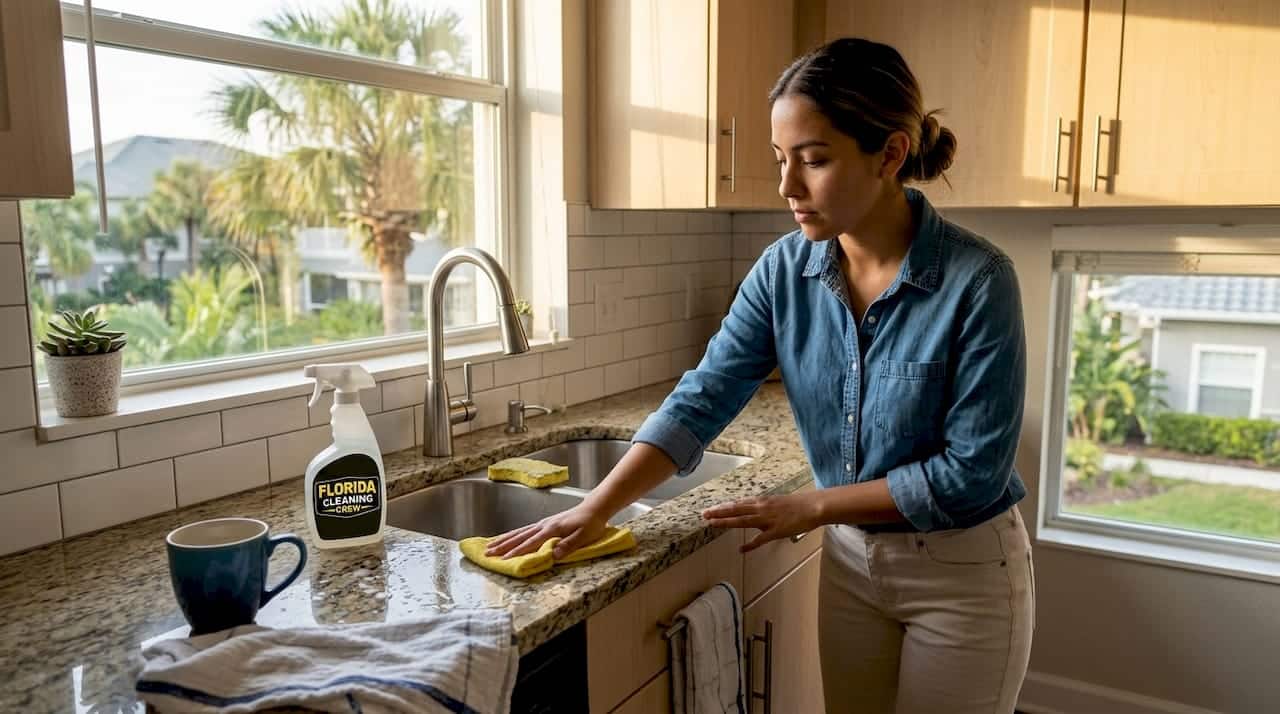
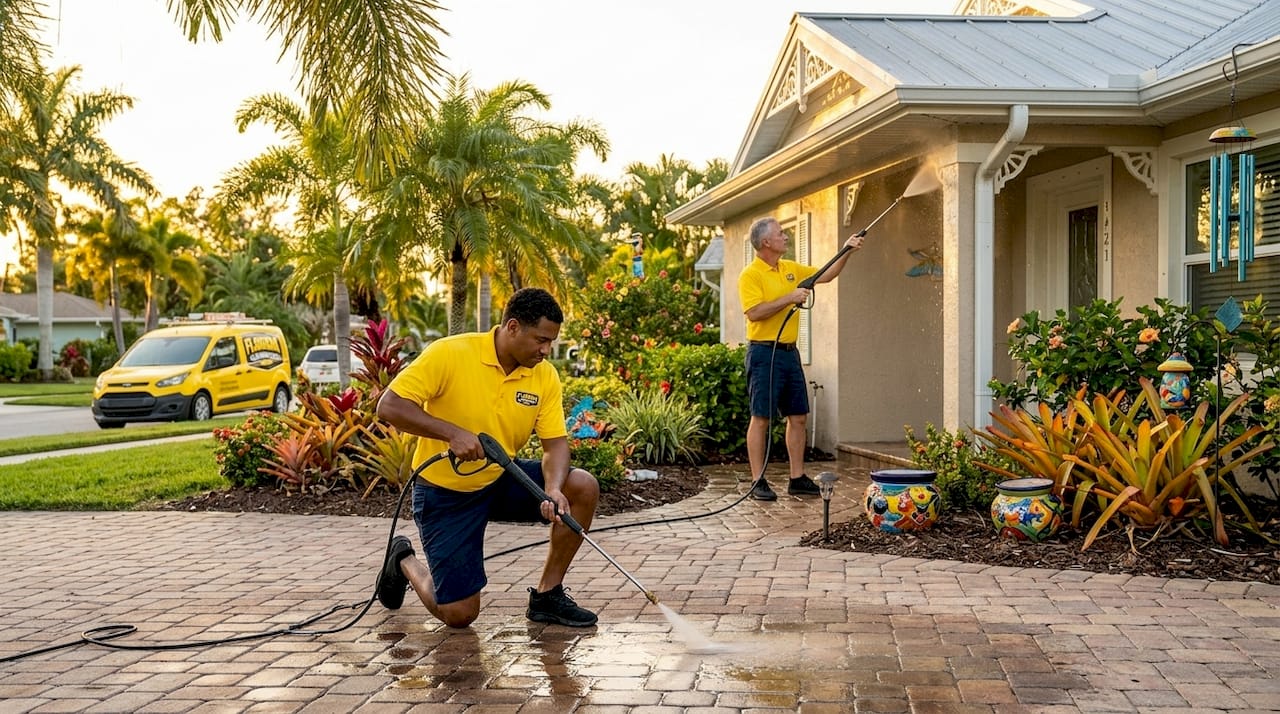
Most homeowners think exterior cleaning is about making a house look good for the neighbors. That framing undersells it by a wide margin. What is exterior cleaning, really? It is a structured maintenance practice that removes biological growth, grime, and contaminants from every surface on your property’s outside, including the roof, siding, gutters, windows, driveways, and even signage. In Tampa Bay’s humid climate, where mold, algae, and mildew grow aggressively year-round, skipping this maintenance does not just affect appearances. It accelerates material breakdown, shortens the lifespan of your roof and siding, and quietly chips away at your property’s value.
Table of Contents
- Key Takeaways
- What exterior cleaning actually covers
- The real benefits of exterior cleaning
- Maintenance schedules for Tampa Bay’s climate
- DIY vs. hiring a professional
- My take on exterior cleaning after years in Tampa Bay
- Keep your property protected with Floridacc
- FAQ
Key Takeaways
| Point | Details |
|---|---|
| More than cosmetic | Exterior cleaning prevents moisture damage and material deterioration that leads to costly repairs. |
| Method matters by surface | Soft washing suits roofs and siding; pressure washing works better on concrete driveways and hardscapes. |
| Start at the roof | Cleaning from the top down stops contamination from cycling back onto freshly cleaned surfaces. |
| Tampa Bay needs more frequent cleaning | High humidity and year-round organic growth mean local homeowners should clean exterior surfaces more often than national averages suggest. |
| Professional assessment prevents damage | Surface-specific treatments and proper pressure settings protect materials while delivering better results than most DIY attempts. |
What exterior cleaning actually covers
The industry term professionals use is exterior surface cleaning, and it covers far more ground than most property owners realize. Comprehensive cleaning addresses walls, roofs, gutters, driveways, windows, and signage, with each surface requiring a different approach and maintenance schedule.
The contaminants you are dealing with fall into two broad categories. The first is non-biological: dirt, dust, vehicle exhaust, pollen, and hard water stains. The second, and more damaging, is biological: mold, mildew, algae, lichen, and moss. In Tampa and St. Petersburg, the second category is the bigger problem. The combination of heat, humidity, and frequent rain creates near-perfect conditions for algae and mold to take hold, especially on north-facing walls and shaded roof sections.
The main cleaning methods
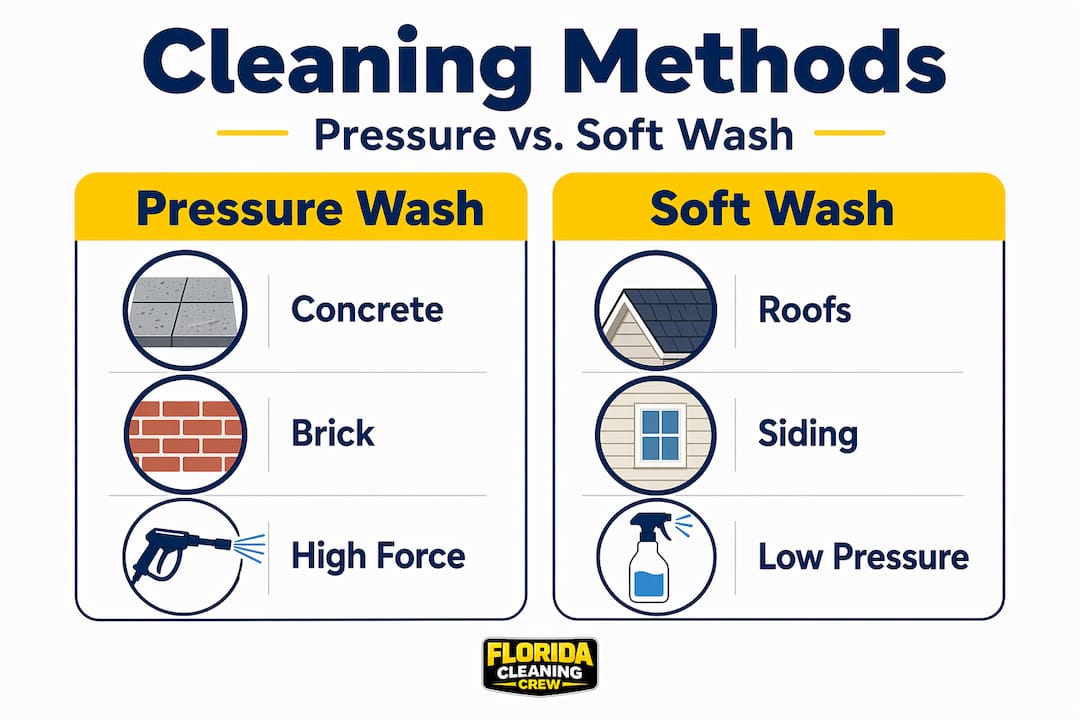
Pressure washing uses high-force water to blast debris from hard, durable surfaces like concrete driveways, brick pavers, and pool decks. For residential use, safe pressure settings typically run between 1,300 and 2,000 PSI. Too much pressure on the wrong surface causes real damage, stripping paint, gouging wood, and cracking fiber cement siding.
Soft washing uses low pressure combined with specialized cleaning solutions to treat roofs, painted siding, stucco, and other materials that cannot handle the force of a pressure washer. The chemistry does the heavy lifting. Dwell time is critical here: the cleaning solution needs enough time to break down biofilms before rinsing. Rushing the process, or letting the solution dry too fast in direct sunlight, leads to incomplete cleaning and rapid regrowth.
Manual cleaning remains necessary for detailed work around windows, door frames, and decorative trim where equipment access is limited or the risk of water intrusion is high.
Here is a quick breakdown of which surfaces call for which approach:
- Roof shingles and tiles: Soft washing only. Pressure washing voids many manufacturer warranties and strips granules from asphalt shingles.
- Vinyl and fiber cement siding: Low-pressure soft washing with a house wash solution.
- Concrete driveways and walkways: Pressure washing at medium to high PSI with a surface cleaner attachment.
- Gutters: Manual flushing combined with low-pressure rinsing to clear debris.
- Windows: Gentle hand washing or low-pressure rinse with squeegee technique for a streak-free finish.
- Exterior signage: Soft cloth and mild detergent for most materials. Pressure washing risks damaging finishes and lettering.
Pro Tip: Always work from the top of the structure downward. Washing siding before the roof means contaminated roof runoff will re-soil your clean siding the next time it rains.
The real benefits of exterior cleaning
The most compelling case for regular exterior house cleaning is not the curb appeal boost. It is the money you avoid spending on repairs and replacements.
Removing grime and biological growth reduces deterioration and costly repairs to roofs, siding, and gutters. Here is the mechanism: algae and mold retain moisture against the surface they colonize. That trapped moisture works into micro-cracks in siding, penetrates grout lines in tile, and sits on shingles long enough to cause premature aging. Over months and years, this leads to rot, warping, and structural issues that cost thousands to fix.
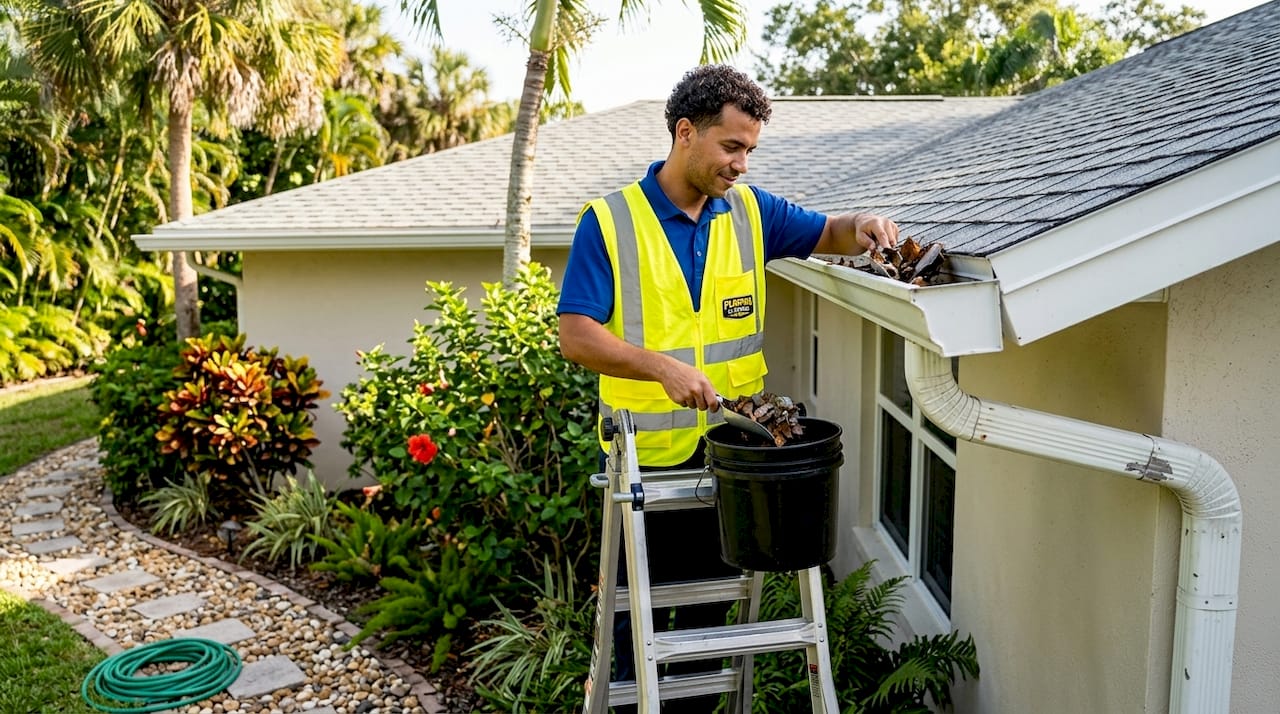
Gutters deserve special mention. Neglected gutters cause water pooling near foundations, leading to soil erosion and structural damage. A gutter cleaning that costs a few hundred dollars prevents foundation repairs that can run into the tens of thousands.
How it affects your property’s value
The financial math on exterior cleaning gets even more interesting when you factor in real estate. Exterior maintenance signals responsible ownership to buyers and appraisers, and visible neglect flags deferred maintenance, lowering appraised value regardless of interior condition. In Tampa Bay’s competitive real estate market, a clean, well-maintained exterior is not optional if you want top dollar.
“A property that looks maintained tells buyers and appraisers that the invisible systems are also well cared for. A dirty, algae-stained exterior sends the opposite message, regardless of what’s inside.”
Here is how the economics of cleaning compare to the alternative:
| Maintenance action | Typical cost | Neglect consequence | Replacement/repair cost |
|---|---|---|---|
| Roof soft wash | $300 to $600 | Premature shingle aging | $8,000 to $20,000 roof replacement |
| Gutter cleaning | $100 to $250 | Foundation water damage | $5,000 to $30,000 foundation repair |
| Siding wash | $200 to $500 | Rot and mold penetration | $3,000 to $15,000 siding replacement |
| Driveway pressure wash | $100 to $300 | Cracking, staining, trip hazards | $3,000 to $10,000 driveway replacement |
The pattern is clear. Regular exterior cleaning services cost a fraction of what deferred maintenance eventually demands.
Maintenance schedules for Tampa Bay’s climate
National cleaning recommendations do not translate directly to Tampa Bay. The region’s heat, near-daily summer rain, and year-round humidity create accelerated organic growth that demands more frequent attention than you would find in a dry climate.
Here is a practical schedule built around local conditions:
- Roof: Soft wash once every 12 to 18 months. If you see dark streaks or green patches forming on your shingles, do not wait for the scheduled date.
- Siding and exterior walls: Full wash once annually. In shaded or heavily treed areas near Clearwater or St. Petersburg, consider every 8 to 10 months.
- Gutters: Clean at minimum twice per year, once in late spring after pollen season and once in late fall after the rainy season winds down.
- Windows: Clean every 3 to 6 months depending on exposure to salt air, especially for waterfront properties.
- Driveways and walkways: Pressure wash once a year, or after particularly muddy seasons and heavy storm events.
- Exterior signage: For commercial properties, monthly or quarterly cleaning depending on exposure and traffic.
Scheduled exterior cleaning reduces risk, improves safety, and supports compliance for commercial buildings. The same principle scales down to residential properties. Cleaning frequency depends on exposure, usage, and material type, and getting that balance right prevents both surface damage from over-cleaning and deterioration from neglect.
One principle that the best operators follow: cleaning must interrupt the contamination cycle by starting at the roof. Organic growth on the roof feeds spores onto the siding below. Cleaning the siding while leaving a contaminated roof means the problem returns within weeks. The roof-first approach extends the results of every other surface cleaned below it.
Pro Tip: After soft washing your roof or siding, ask your cleaning provider about applying a post-treatment sealant or biocide inhibitor. These products significantly slow the return of algae and mold growth, which is especially valuable in Tampa Bay’s environment.
DIY vs. hiring a professional
Knowing how to clean the exterior of your home yourself is a reasonable option for some surfaces and some homeowners. For others, the risk of damage and the limits of consumer equipment make professional service the smarter financial decision.
On the DIY side, here is what works well:
- Light-duty pressure washing of concrete surfaces using a consumer-grade electric washer at 1,300 to 2,000 PSI. Wide-angle nozzles prevent accidental damage to vinyl, fiber cement, and wood siding.
- Gutter flushing with a garden hose and gutter attachment if you are comfortable on a ladder and the job is straightforward.
- Spot cleaning of mildew on concrete using diluted bleach solutions applied manually.
Where DIY consistently falls short:
- Roof cleaning. Most homeowners lack the appropriate equipment and soft wash chemistry. Using a pressure washer on a roof is a quick way to void your warranty and cause leaks.
- Second-story and multi-story work. The fall risk is not worth the savings.
- Persistent algae or mold on siding. Consumer-grade products rarely achieve the dwell time needed to fully neutralize biofilms. The growth returns faster than it would after a professional treatment.
- Pre-sale preparation. When curb appeal directly affects the sale price of your home, the thoroughness of a professional property evaluation and surface-specific treatment plan pays for itself in buyer perception.
The cost difference between DIY and professional exterior cleaning is often smaller than homeowners expect. Equipment rental, cleaning solution, and a full day of physical labor on your part versus a professional crew that completes the job in two to four hours with proper technique and commercial-grade results. For most Tampa Bay homeowners, the tradeoff is straightforward. You can learn more about safe pressure washer settings if you plan to handle the driveway and walkways yourself while leaving the roof and siding to professionals.
My take on exterior cleaning after years in Tampa Bay
I have seen properties in Tampa, St. Petersburg, and Clearwater that homeowners cleaned religiously every year, and I have seen properties that went three or four years between washes. The difference is not subtle. The neglected properties were not just dirtier. They had siding that needed replacing, gutters pulling away from fascia boards, and roof sections that should have lasted another decade showing early failure.
The mistake I see most often, even from well-intentioned homeowners, is treating exterior cleaning as a surface-level job. You scrub what you can see, the driveway looks great, and you call it done. But the roof is still covered in algae and the gutters are still channeling contaminated water down the face of the siding. Within two or three months, the siding looks as bad as it did before.
What I have learned is that the best approach is always top-down and chemistry-first. Get the roof treated with a proper soft wash solution and give it adequate dwell time before anything below it gets touched. Then work down the structure methodically. It takes more planning, but the results hold significantly longer.
I also think homeowners consistently underestimate how much local climate affects the timeline. What works as a once-a-year schedule in a dry climate is genuinely not enough here. Tampa Bay’s humidity and heat are relentless, and biological growth moves fast. Budgeting for exterior cleaning as a recurring line item, not a one-time fix, is the mindset shift that makes a real difference in long-term property condition and value. Think of it the way you think about an HVAC filter: you do not wait until the system fails to address it.
— Matt
Keep your property protected with Floridacc
If you have been putting off exterior cleaning or you are not sure where to start, Floridacc makes it easy for Tampa Bay homeowners and property managers to get the right service for their property.

Floridacc offers residential exterior cleaning tailored to Tampa Bay’s climate, covering everything from roof soft washing and siding cleaning to driveway pressure washing and gutter maintenance. The team is licensed, insured, and uses eco-friendly products that protect your family and your landscaping. Every job starts with a property evaluation so the right method and pressure are used on every surface. No guesswork, no damage risk. If you want a free estimate or want to schedule service for your home in Tampa, Clearwater, or St. Petersburg, visit Floridacc’s pressure washing services to get started.
FAQ
What does exterior cleaning include?
Exterior cleaning covers all outside surfaces of a property, including the roof, siding, gutters, windows, driveways, and walkways, using pressure washing, soft washing, or manual cleaning depending on the material.
How often should you clean the exterior of a house?
Most homes in Tampa Bay benefit from a full exterior cleaning once a year, with roofs soft washed every 12 to 18 months and gutters cleared at least twice a year due to the region’s humidity and organic growth.
What is soft washing vs. pressure washing?
Soft washing uses low pressure and cleaning solutions to treat roofs, siding, and other delicate surfaces safely, while pressure washing uses high-force water suited for concrete, brick, and hardscapes.
Can I pressure wash my own house?
For ground-level concrete surfaces, DIY pressure washing at 1,300 to 2,000 PSI with wide-angle nozzles is manageable. Roof cleaning, second-story work, and siding with persistent mold are best left to professionals to avoid damage.
Does exterior cleaning really protect property value?
Yes. Regular exterior surface cleaning prevents moisture damage, material deterioration, and biological growth that cause premature aging of roofs, siding, and gutters, which directly protects appraised value and buyer perception at sale.