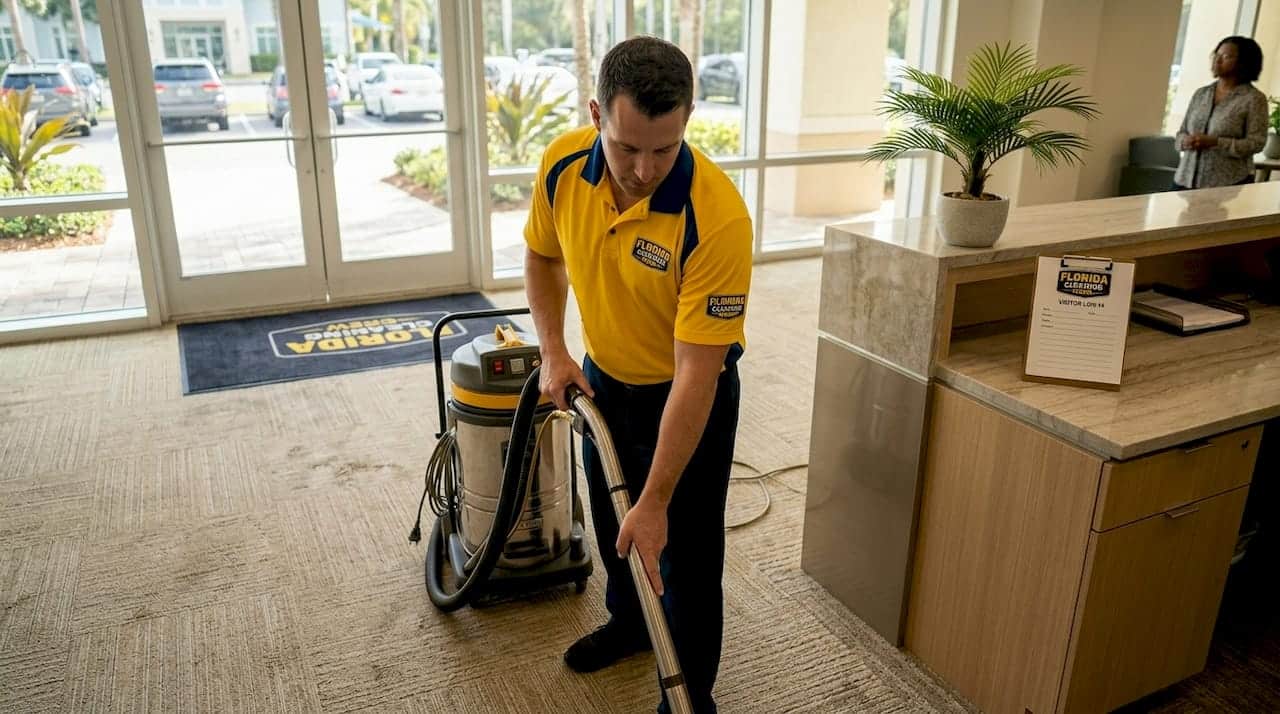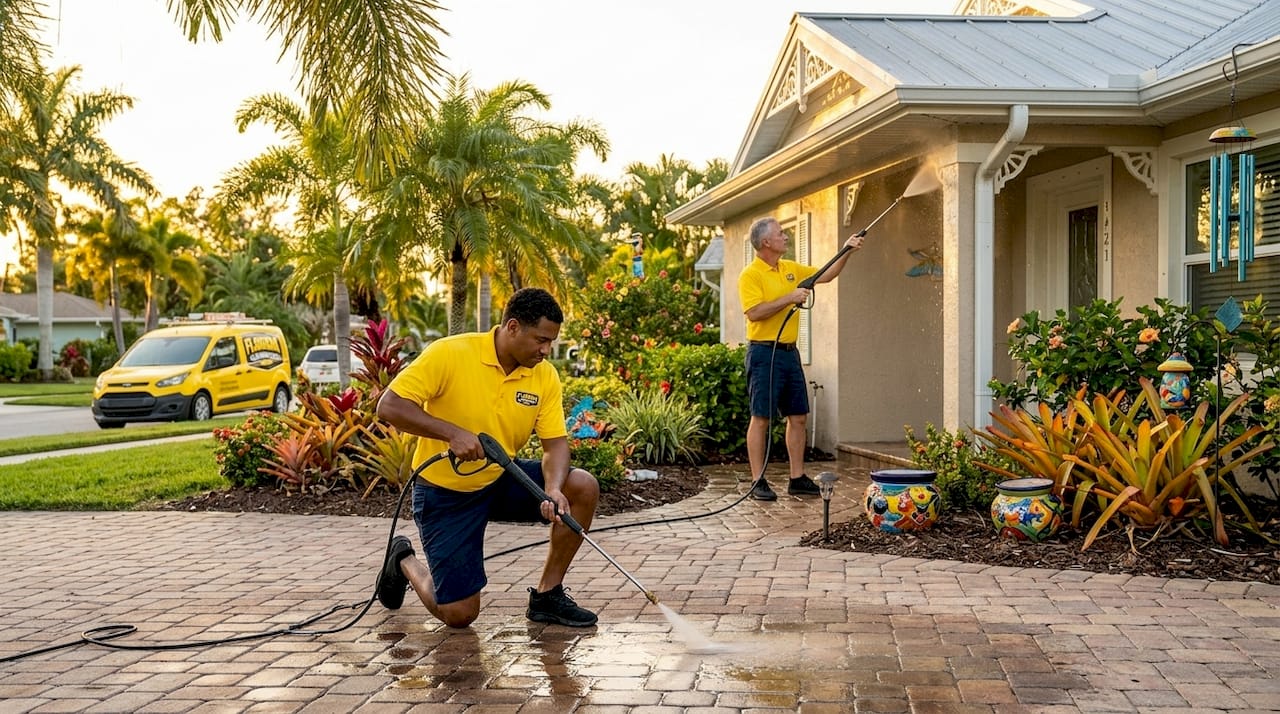
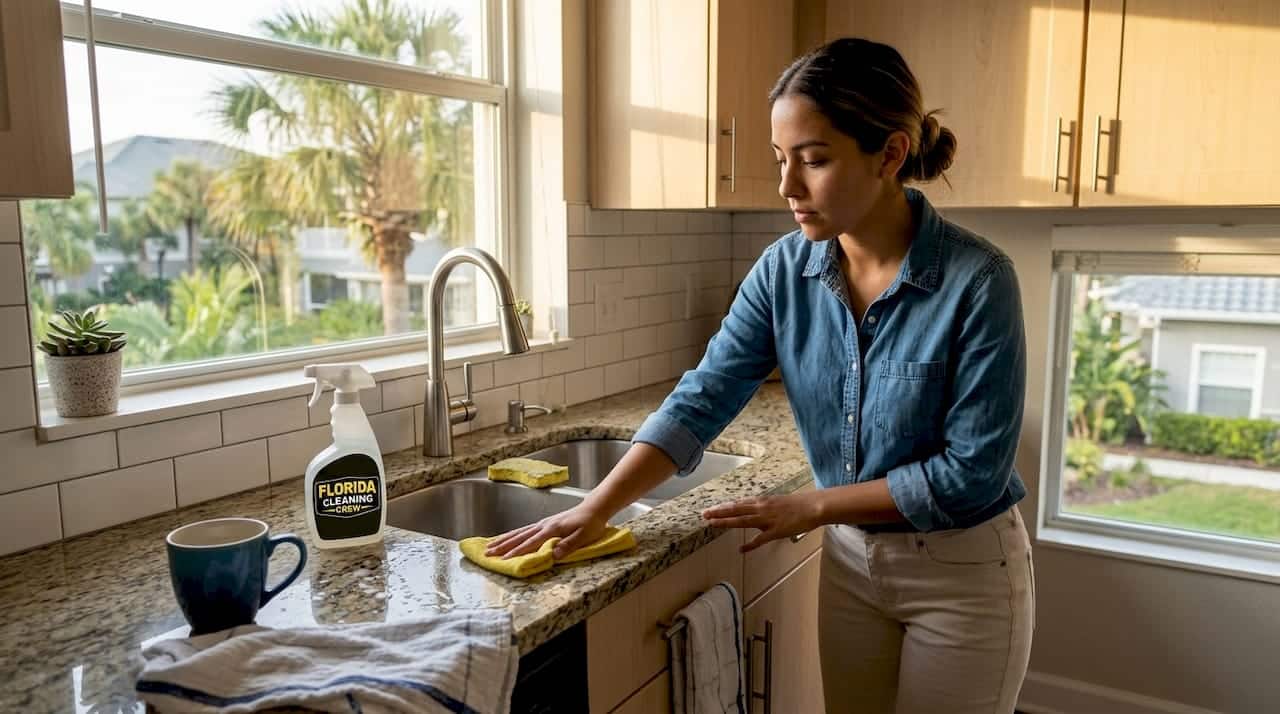
Walking out of your rental on the last day thinking a quick vacuum and wipe-down will cover you is one of the most common and costly mistakes renters make. What is end-of-lease cleaning, really? It’s a deep, systematic cleaning of your rental property designed to return it to the same condition it was in when you moved in, accounting for normal wear and tear. Skipping this or underestimating it is the number one reason security deposits don’t come back in full. This guide covers everything you need to know to do it right in Tampa Bay.
Key Takeaways
| Point | Details |
|---|---|
| More than regular cleaning | End-of-lease cleaning goes far deeper than routine tidying, covering appliances, walls, windows, and outdoor areas. |
| Match move-in condition | The goal is to return the property to its original baseline, not perfection, but consistent with the move-in condition report. |
| Documentation protects you | Keeping cleaning receipts and records helps resolve any deposit disputes quickly and in your favor. |
| Professionals can save your deposit | Hiring a licensed cleaning service often pays for itself when it prevents costly deductions from your security deposit. |
| Attend the final inspection | Showing up to your final walkthrough gives you the chance to address concerns before any deductions are finalized. |
What end-of-lease cleaning actually means
End-of-lease cleaning, also widely called move-out cleaning or vacate cleaning, is the thorough cleaning of a rental property performed by a tenant before handing back the keys. It’s not a term the cleaning industry invented for marketing purposes. It reflects a genuine legal and contractual obligation that sits between you and your landlord at the end of every tenancy.
The standard here is specific. You’re required to return the property clean and in similar condition to when you moved in, with reasonable allowance for fair wear and tear. That phrase matters. Fair wear and tear means gradual deterioration from normal use, not stains you left on the carpet, grease build-up in the oven, or mold in the bathroom you never addressed.
What does this look like in practice? Here’s what a complete lease end cleaning typically covers:
- Kitchen: Degreasing the oven and stovetop, cleaning inside and outside of all appliances, wiping down cabinets, and scrubbing the sink
- Bathrooms: Descaling showerheads and tiles, scrubbing grout, cleaning mirrors, and disinfecting toilets
- Living areas and bedrooms: Dusting light fixtures, ceiling fans, blinds, and baseboards; wiping down all walls and switches
- Floors: Vacuuming all carpeted areas and mopping all hard floors; spot-treating stains where needed
- Windows: Cleaning glass inside and out, including window tracks and frames
- Outdoor areas: Sweeping patios, clearing gutters, mowing lawns, and removing any debris
The difference between this and your regular Saturday cleaning is significant. Regular cleaning maintains a lived-in home. End-of-lease cleaning restores a property. You’re cleaning areas most people never touch during normal occupancy, and you’re doing it to a documented standard, not just to your own comfort level.
In Tampa Bay, humidity creates specific challenges that landlords notice quickly. Mold spots in bathrooms and kitchens, mildew on window tracks, and rust stains in showers are common inspection flags in Florida rentals. These aren’t cosmetic details. They signal a lack of maintenance, and they’ll show up on your final inspection report.
How to prepare for end-of-lease cleaning
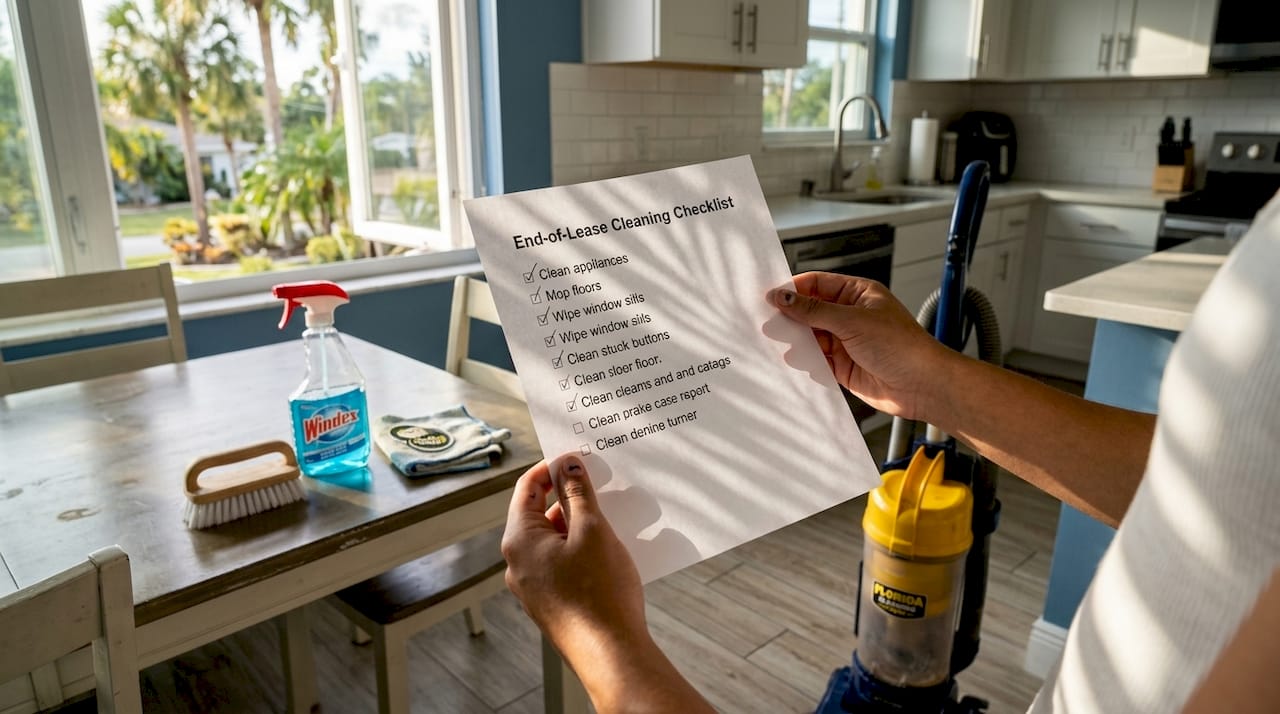
Preparation is where most renters either get this right or fall apart under pressure. The good news is that a systematic approach makes the whole process far less stressful. Here’s how to do it.
-
Pull out your move-in condition report. This is the document you (should have) signed when you first moved in. It records the existing condition of the property room by room. Your landlord will compare the final inspection against this document, so you need to know exactly what condition was noted at the start. If you find damages listed there, you’re not responsible for fixing them. If you find something that wasn’t listed but has occurred since, address it before the inspection.
-
Start at least two to three weeks before your move-out date. In Tampa Bay, this matters more than most renters realize. Deep cleaning takes time, and so does any minor repair work like patching nail holes or replacing lightbulbs. Starting late means rushing, and rushing means missing things.
-
Work room by room, top to bottom. Clean ceiling fans and light fixtures first. Work your way down to furniture surfaces, then baseboards and floors. Gravity means dust falls, so if you clean floors first you’ll be cleaning them again.
-
Focus on the overlooked areas. Most renters clean what they see daily. Landlords and agents look at what renters forget. That means the inside of the dishwasher, the filter in the range hood, the tops of door frames, the oven drawer, and behind large appliances.
-
Address outdoor areas early. Untidy gardens and outdoor areas are among the most flagged issues at final inspections. In Florida, grass grows fast and pests move in quickly. If you have a patio, driveway, or front entry, these need attention even if you rarely used them.
-
Gather your documentation. If you had pets, your lease may require professional steam cleaning and pest control. Keep receipts for every service you book. These receipts are your evidence if a dispute arises, and they’re worth far more than you’d expect.
-
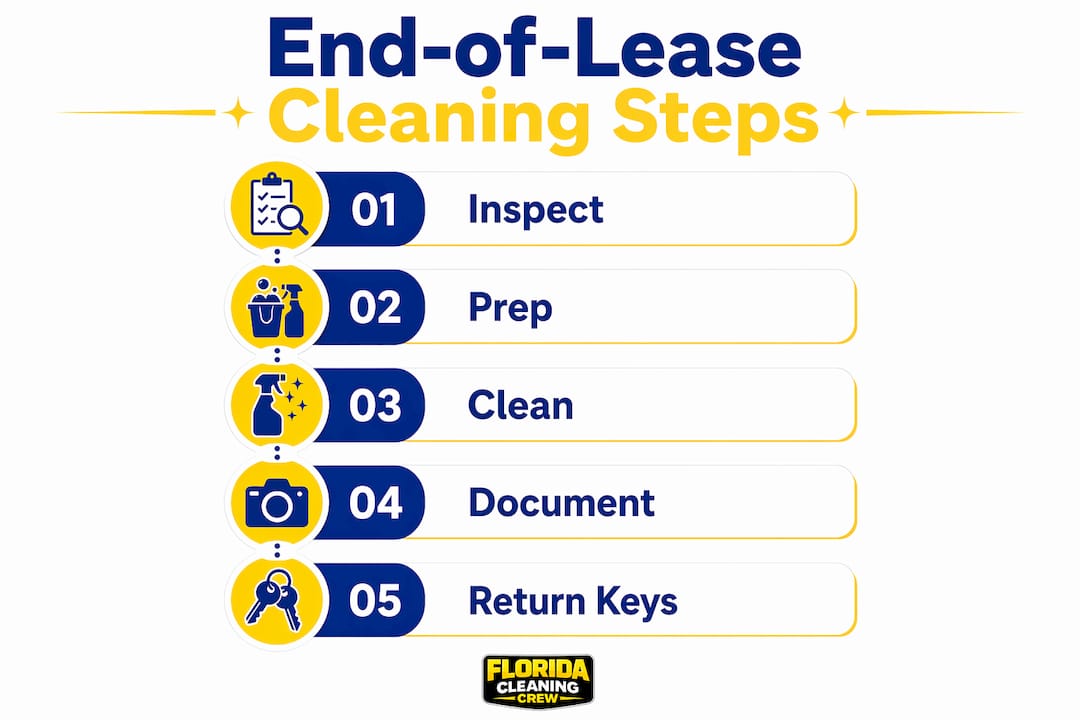
Do a final walkthrough the day before you hand over keys. Walk through the property with fresh eyes, ideally after all your furniture is removed. Empty rooms reveal marks on walls, damage to floors, and areas you cleaned around rather than under.
Pro Tip: Take timestamped photos of every room after you’ve finished cleaning and before you return the keys. If a deduction is claimed after you leave, your photos give you concrete evidence of the state in which you left the property.
A solid move-in cleaning checklist reviewed in reverse is one of the most practical tools you can use. It tells you exactly what the property needed when someone first moved in, which is precisely the standard you need to meet on the way out.
Professional end-of-lease cleaning: when it’s worth it
There’s a real decision to make here, and it’s worth thinking through honestly. You can absolutely do your own move-out cleaning and do it well. But professional end-of-lease cleaning services exist for good reasons, and in many cases they save renters money rather than cost it.
Here’s what hiring professionals actually gets you:
- Commercial-grade equipment that removes stains, odors, and grime that household products can’t touch
- Experienced cleaners who know exactly what landlords and agents inspect and where they look
- A cleaning receipt you can show at the final inspection as proof of professional service
- Time. A three-bedroom house can take two to three days to clean thoroughly on your own
The cost of end-of-lease cleaning for a three-bedroom home can reach up to $1,500 depending on the service and property condition. That number sounds steep until you compare it to losing $2,000 or more from your security deposit because of insufficient cleaning.
Here’s a side-by-side look at what to consider when choosing:
| Factor | DIY cleaning | Professional service |
|---|---|---|
| Cost | Supplies only ($50–$200) | $300–$1,500+ depending on property size |
| Time required | 2–4 days for a full clean | 4–8 hours with a professional crew |
| Equipment quality | Consumer-grade | Commercial-grade |
| Receipt for landlord | Not applicable | Yes, provided after service |
| Risk of missed areas | Moderate to high | Low with experienced cleaners |
| Recommended for | Small apartments, low-traffic tenancies | Families, long tenancies, properties with pets |
When you hire, look for a licensed and insured service. In Tampa Bay, the difference between a reliable cleaning company and an unreliable one often comes down to whether they carry liability insurance and whether they offer a satisfaction guarantee. Always ask both questions before booking.
Pro Tip: Ask your property manager before your move-out date whether they have specific cleaning requirements or preferred vendors. Some management companies in Tampa, Clearwater, and St. Petersburg expect professional receipts for certain property types, and knowing that early saves you from a last-minute scramble.
For renters who want to understand exactly what move-out cleaning services include before they book, reading through service breakdowns ahead of time helps you ask the right questions and compare providers accurately.
Common mistakes that cost renters their deposit
Understanding what is move-out cleaning is one thing. Avoiding the mistakes that turn it into a deposit dispute is another. These are the patterns that come up again and again:
-
Underestimating the scope. Renters who clean their visible surfaces and call it done consistently fail inspections. The oven interior, grout lines, window tracks, and the inside of kitchen cabinets are standard inspection points that require deliberate attention.
-
Ignoring the condition report. If you haven’t looked at your move-in condition report in months or years, you’re cleaning blind. You might scrub walls that were already marked at move-in, and overlook a carpet stain that appeared six months into your tenancy.
-
Leaving it too late. Starting your clean two days before you hand over keys doesn’t leave room for repairs, re-cleaning, or professional bookings if your first attempt falls short. Tampa Bay cleaning companies book out fast during peak moving periods, particularly in summer.
-
Skipping pest control documentation if you had pets. If your lease included a pet clause, evidence of steam cleaning and pest treatment is often required at inspection. Not having that paperwork is a straightforward deduction, even if the actual cleaning was done.
-
Not attending the final inspection. This one is underrated. Tenants have the right to attend the final walkthrough with their landlord or agent. Being there means you can address any concerns on the spot rather than receiving a deduction notice after the fact. Don’t skip this.
-
Relying on a verbal agreement. If your landlord says “it looks fine” during an informal walk-through but the formal inspection happens later without you, verbal reassurances aren’t worth much. Get everything in writing.
How cleaning connects to getting your deposit back
Your security deposit and the quality of your end-of-lease cleaning are directly linked, and understanding how the process works gives you the best chance of a full refund.
After you return your keys, your landlord or property manager conducts a final inspection. They compare the property’s current condition against the original move-in condition report. Any cleaning or damage issues found that go beyond fair wear and tear can result in deductions from your security deposit.
Here’s how the timeline and process typically works:
| Stage | What happens | Your role |
|---|---|---|
| Pre-move-out | Review condition report, complete cleaning, arrange repairs | Proactive and thorough |
| Key return | Hand over keys and all access devices | Confirm receipt in writing |
| Final inspection | Agent compares property to move-in report | Attend in person where possible |
| Dispute or approval | Landlord approves bond claim or raises deductions | Respond promptly with documentation |
| Bond refund | Bond returned within two days of landlord approval | Submit claim through relevant portal |
If deductions are made and you believe they’re unfair, your cleaning receipts, timestamped photos, and the original condition report are your three strongest tools. Disputes can be escalated through your state’s tenancy authority or small claims process. The key is having documentation to support your position rather than relying on memory.
Landlords are obligated to refund your deposit within a reasonable timeframe once cleaning and repair conditions are met. Delays usually stem from unresolved disputes, which is exactly why the cleaning and documentation process matters so much on the front end.
For renters in Tampa, understanding what landlords look for during the inspection process gives you an advantage. The more you know about their checklist, the better you can anticipate and address issues before they become deductions.
What I’ve learned from watching renters do this well and poorly
I’ve seen end-of-lease cleaning go right and go wrong more times than I can count, and the pattern is almost always the same. Renters who get their full deposit back aren’t necessarily the best cleaners. They’re the most organized ones.
The biggest mistake I see is treating this like a cleaning problem when it’s actually a documentation and preparation problem. You can have a spotless property and still lose part of your deposit if you can’t show what condition you left it in. Photos, receipts, and attending the final inspection are not optional extras. They’re the foundation.
In Tampa Bay specifically, I’ve noticed that mold and mildew in bathrooms and on window tracks are the most common inspection failures. Florida’s humidity makes these issues develop faster than renters expect, and they look like neglect even when the rest of the property is clean. My recommendation: treat those areas at least twice before your final walkthrough, and document the result.
I’ve also seen renters spend hundreds on professional cleaning services only to have their deposit docked for something unrelated, like a damaged blind or a burned-out lightbulb. The importance of end-of-lease cleaning extends beyond scrubbing. Replacing lightbulbs, tightening door handles, and touching up minor scuffs are all part of presenting a property well.
My honest advice? Start earlier than you think you need to, build a room-by-room checklist from your move-in report, and book a professional crew for at least the kitchen and bathrooms if your budget allows. Those two rooms make or break most inspections in my experience. The rest, with enough time and attention, you can handle yourself.
— Matt
Moving out in Tampa Bay? Floridacc makes it easier
If you’re approaching your move-out date and want the confidence that comes with a properly cleaned property, Floridacc serves renters across Tampa, Clearwater, and St. Petersburg with thorough, reliable move-out cleaning services. Every job follows a detailed checklist tailored to your property type, and all work is backed by a satisfaction guarantee.

Floridacc’s residential move-out cleaning covers everything from kitchens and bathrooms to baseboards and appliances, giving you the receipts and results landlords expect at final inspections. Need exterior work too? Floridacc also handles exterior pressure washing and window cleaning to cover every angle of your lease-end obligations. Booking is straightforward with flexible scheduling designed around your move-out timeline. Request a free quote today and take one major item off your plate.
FAQ
What is end-of-lease cleaning exactly?
End-of-lease cleaning is a thorough cleaning of a rental property performed by the tenant before returning the keys, designed to restore the property to its original move-in condition. It goes well beyond regular cleaning and typically covers deep kitchen and bathroom cleaning, windows, floors, and outdoor areas.
How is move-out cleaning different from regular cleaning?
Move-out cleaning targets areas that routine cleaning ignores, including inside appliances, grout lines, window tracks, and the tops of door frames. The goal is to match the property’s condition to the original inspection report, not just to make it look presentable.
Do I need to hire professionals for end-of-lease cleaning?
Not always, but professional cleaning is worth considering for larger properties, long tenancies, or when pets were present. Professional services provide receipts that landlords often require as proof, and the cost of professional cleaning is frequently less than potential deposit deductions.
What happens if my cleaning doesn’t meet the landlord’s standard?
Your landlord can deduct the cost of cleaning or repairs from your security deposit if the property isn’t returned in its original condition, allowing for fair wear and tear. Attending the final inspection and keeping documentation gives you the best chance to challenge any unfair deductions.
How long before moving out should I start cleaning?
Starting two to three weeks before your move-out date gives you enough time to clean thoroughly, arrange any repairs, and book professional services if needed. Leaving it to the last few days almost always results in rushed work and missed areas.