Sorting real cleaning solutions from flashy marketing claims has never been harder. New product lines, gadget launches, and wellness trends flood the market every year, all promising spotless results with minimal effort. For Tampa Bay homeowners and property managers, the stakes are even higher: this region’s intense humidity, year-round rainfall, and high turnover rental market create cleaning challenges that generic advice simply doesn’t cover. This guide cuts through the noise with science-backed criteria, honest tool comparisons, and actionable routines you can trust to protect your home, your health, and your investment without wasting money on products that underdeliver.
Table of Contents
- The science-backed criteria for effective cleaning in 2026
- Top recommended cleaning methods and products for homes and rentals
- Mold and moisture: Special recommendations for Tampa Bay’s climate
- Cleaning tech and tool picks: What actually delivers in 2026?
- Quick-glance comparison: Which method or tool is right for you?
- The reality: Why evidence beats hype in 2026 cleaning
- Need expert cleaning support in Tampa Bay?
- Frequently asked questions
Key Takeaways
| Point | Details |
|---|---|
| Clean before you disinfect | Always use soap or detergent and scrub before applying any sanitizer or disinfectant. |
| Control humidity to fight mold | Keeping indoor humidity below 60 percent is crucial for preventing mold and property damage. |
| Trust independently-tested products | Choose cleaning solutions and tools based on proven results from reliable third-party testing, not marketing. |
| Match tech to your surfaces | Select cleaning gadgets carefully, as not all robots or steamers work equally well on all floor types. |
| Use evidence-backed routines | Follow CDC and EPA guidance for when and how to clean, sanitize, and disinfect different areas. |
The science-backed criteria for effective cleaning in 2026
Before exploring product and tool options, let’s ground our choices in science-based cleaning principles.
Most people reach for a disinfectant spray as their first move. That’s actually backwards. CDC guidance for 2026 emphasizes cleaning with soap or detergent and scrubbing first, then reserving disinfecting for situations like when someone is sick or at higher risk. The scrubbing step physically removes dirt, germs, and organic material. Skipping it and spraying disinfectant on a visibly dirty surface is like pouring cologne over mud: the chemistry can’t do its job.
Understanding the difference between sanitizing and disinfecting is equally important. Many homeowners use the terms interchangeably, but they aren’t the same thing. Sanitizing uses weaker solutions or EPA-registered sanitizing products applied after cleaning, while disinfecting uses stronger agents designed to kill a broader range of pathogens. For most daily household routines, sanitizing after cleaning is completely adequate.
Here’s a practical framework for Tampa Bay households, including short-term rentals:
- Clean first, always. Soap, detergent, and physical scrubbing remove the visible grime that blocks disinfectants.
- Sanitize for routine maintenance. Countertops, sinks, and bathroom fixtures benefit from regular sanitizing, not daily disinfecting.
- Disinfect after illness or for vulnerable occupants. Reserve stronger disinfectants for high-touch surfaces when someone in the home has been sick.
- Read the label and follow contact time. This is the most ignored step in home cleaning. A disinfectant that sits on a surface for five seconds when the label says two minutes accomplishes almost nothing.
- Focus on high-touch surfaces in rentals. Door handles, light switches, remotes, and faucet handles matter most for rental turnover cleaning.
“The label is the law when it comes to disinfectants. Product effectiveness depends entirely on proper dilution, surface compatibility, and contact time. A disinfectant wiped off in ten seconds hasn’t disinfected anything.”
Pro Tip: Write the required contact time for your go-to disinfectant on a sticky note and keep it near your cleaning supplies. You’ll be surprised how many times you’ve been rushing past this critical step.
If you’re managing multiple properties or need to understand cleaning compliance in Tampa Bay, these foundational principles translate directly into your protocols. Getting the basics right also affects how frequently you need deep cleaning, potentially saving you significant time and money over the course of a year.
Top recommended cleaning methods and products for homes and rentals
Now that you understand the core cleaning framework, here are the most effective product and method recommendations for 2026.
The cleaning product aisle is overwhelming on purpose. Dozens of brands compete for shelf space with bold claims and eye-catching packaging. The smarter approach is to rely on independently tested product lists rather than marketing copy. Testing organizations evaluate real-world performance across surface types, not just controlled lab conditions with ideal applications.
Here’s a numbered process for building your effective cleaning arsenal for 2026:
- Start with a concentrated all-purpose cleaner. A quality soap or detergent-based cleaner covers the majority of routine surfaces. Look for ones tested on a variety of hard surfaces, not just smooth countertops.
- Add a bathroom-specific disinfectant. Bathrooms, particularly in rentals with high turnover, need a product rated for mold, mildew, and bacteria with a clear label contact time.
- Stock microfiber cloths in multiple colors. Color coding prevents cross-contamination between bathrooms, kitchens, and general surfaces. Microfiber outperforms cotton rags in both germ removal and surface care.
- Choose a non-scratch scrubber for kitchen surfaces. Abrasive pads damage countertops and finishes over time. Soft scrubbers with melamine-free options protect surfaces better.
- Use EPA List N as your disinfectant guide. The EPA’s official list of disinfectants effective against specific pathogens is free and updated regularly. Cross-reference any disinfectant you purchase with this list for confidence.
The CDC’s guidance on contact time and pre-cleaning is direct: rushing disinfecting without first cleaning reduces effectiveness significantly. This isn’t a technicality. It’s the difference between a surface that’s actually safe and one that only looks clean.
| Product category | Best use | Key feature to look for | Tampa Bay priority |
|---|---|---|---|
| All-purpose cleaner | Daily surfaces | Grease and soap scum removal | High humidity residue |
| Bathroom disinfectant | Toilets, sinks, tiles | EPA List N registered | Mold and mildew rated |
| Floor cleaner | Tile, LVP, hardwood | pH-neutral formula | Safe for humidity-swollen grout |
| Microfiber cloths | All surfaces | 300+ GSM weight | Durability through repeat washing |
| Wipes (disinfecting) | High-touch surfaces | Listed contact time | Rental turnover efficiency |
Pro Tip: Buy microfiber cloths in packs and replace them every six months if you’re cleaning multiple properties. Worn microfiber loses its germ-capturing ability and can actually scratch surfaces instead of cleaning them.
For a more detailed breakdown of surface-specific approaches, the deep cleaning guide covers room-by-room techniques with practical step sequences. For ongoing product updates and local recommendations, the blog stays current with what’s working in Tampa Bay properties right now.
Mold and moisture: Special recommendations for Tampa Bay’s climate
Beyond surface cleaning, Tampa Bay’s humidity means mold prevention is a non-negotiable part of home and rental care.
Tampa Bay averages over 50 inches of rain per year and maintains high relative humidity for the majority of the calendar. That combination makes mold a persistent threat in any property, especially in bathrooms, laundry areas, under sinks, and around windows. The most important insight from EPA research is that mold control is fundamentally moisture control: keep indoor humidity below 60%, ideally in the 30 to 50 percent range, dry water-damaged areas within 24 to 48 hours, and clean any visible mold with detergent and water rather than defaulting to bleach alone.
This matters because many Tampa Bay homeowners believe bleach is the ultimate mold solution. Bleach is effective on non-porous hard surfaces, but it doesn’t penetrate porous materials like grout, drywall, or wood where mold roots actually live. Scrubbing with detergent and water physically removes mold from the surface while also cleaning away the organic material mold feeds on.
Here’s what the EPA recommends for mold prevention and remediation:
- Maintain indoor humidity at 30 to 50 percent. A $15 hygrometer placed in humid rooms gives you real data. Don’t guess.
- Run exhaust fans during and after showers. In Tampa Bay’s climate, run the bathroom fan for at least 20 minutes after showering, not just during.
- Dry any water damage within 24 to 48 hours. This is the window before mold colonies establish. After that, the problem escalates quickly.
- Inspect under sinks and around appliances monthly. Slow leaks are invisible until mold appears. Routine checks prevent costly remediation.
- Discard porous materials with significant mold growth. Carpet, ceiling tiles, and drywall that are visibly mold-infested beyond a small area (generally more than 10 square feet) typically need professional assessment and removal rather than cleaning.
“You cannot treat your way out of a moisture problem. No product, no matter how powerful, will stop mold from returning if the underlying humidity or water source isn’t addressed first.”
Statistic to note: Properties that maintain indoor humidity within the 30 to 50 percent target range see significantly lower rates of mold-related remediation costs. In Florida, mold claims are among the most common and costly property insurance issues.
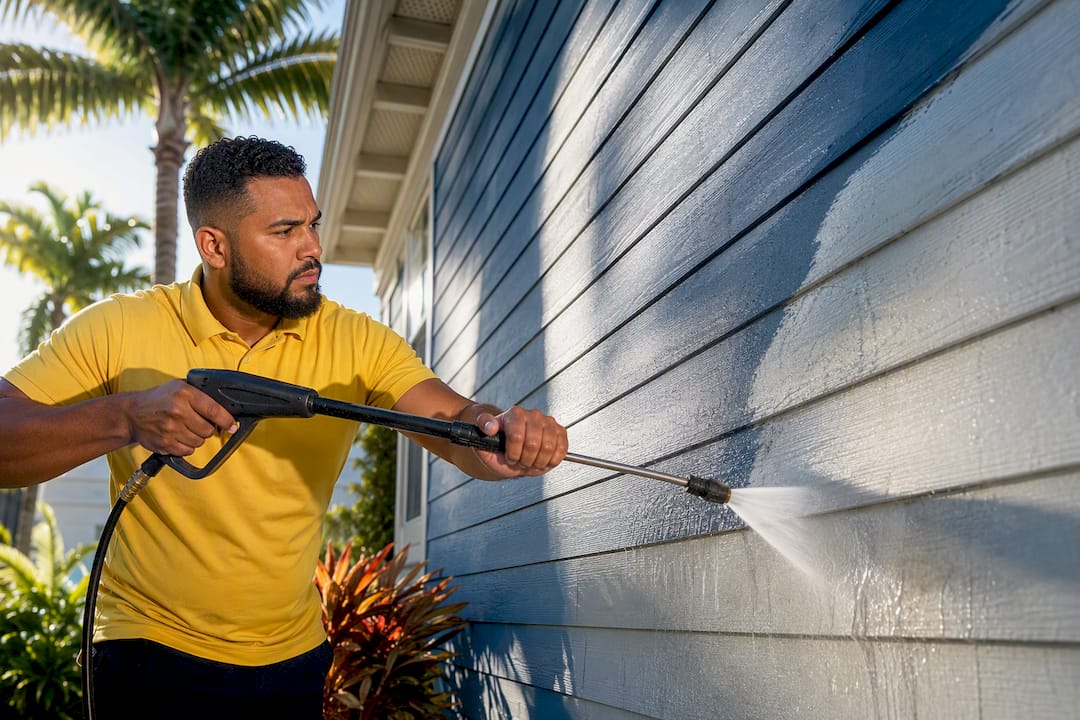
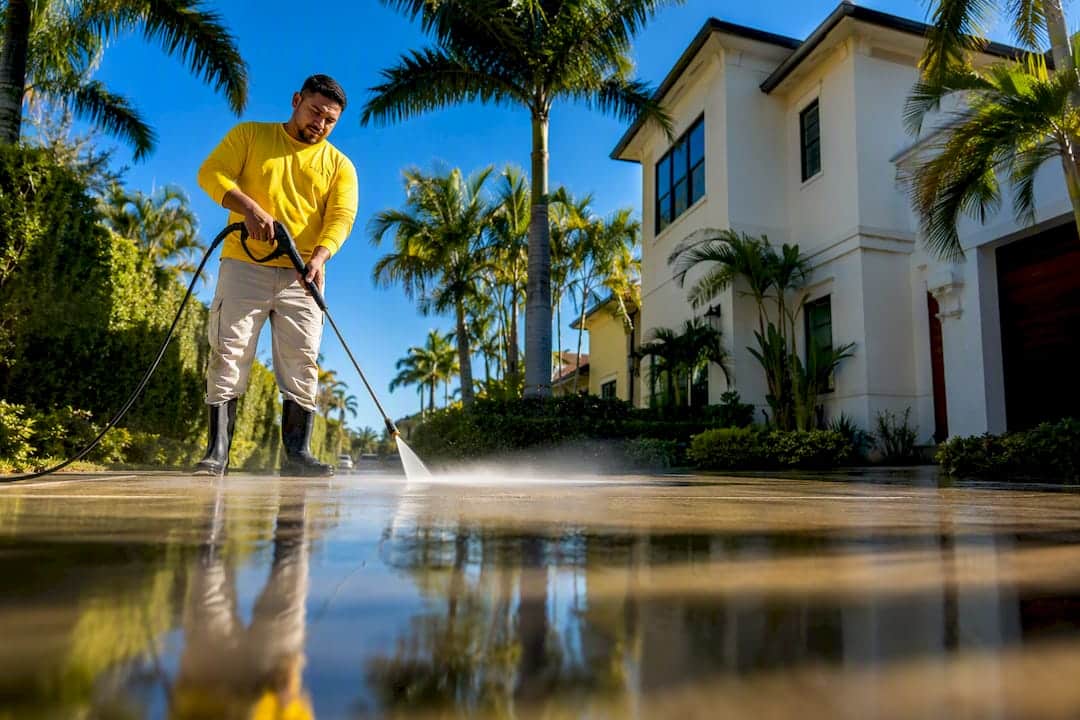
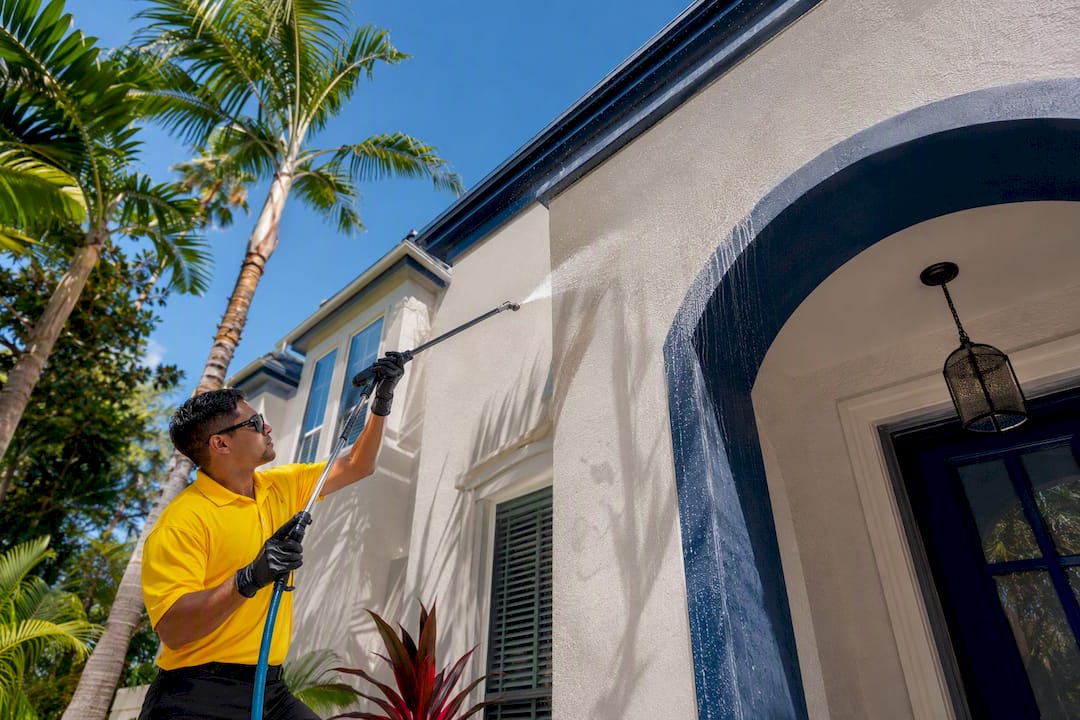
For the exterior of your property, consistent pressure washing removes mold spores, algae, and organic buildup from driveways, siding, and patios before they get a chance to migrate indoors or damage exterior surfaces.
Cleaning tech and tool picks: What actually delivers in 2026?
With cleaning methods covered, smart tech adoption can save time, but only if the tools deliver real cleaning power.
The 2026 market is full of cleaning gadgets promising to replace manual effort. Some deliver. Many don’t. The key is matching technology to the task rather than buying something because it sounds impressive.
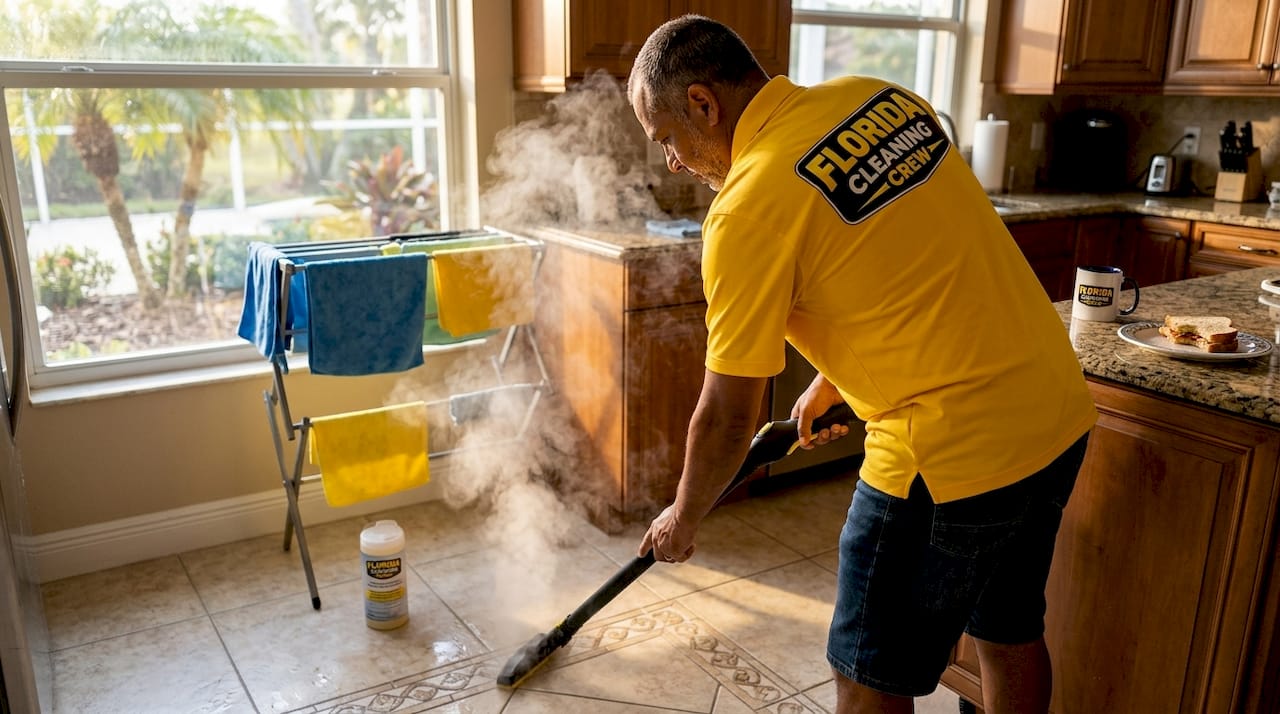
Steam cleaners are popular for grout lines, tile, and hard-to-scrub surfaces. Consumer Reports notes that performance varies significantly by task and that only certain handheld steamers removed very stubborn grime effectively in testing. Accessories matter too: a steamer with limited attachment options often can’t reach the tight corners where mold and buildup actually hide. Also factor in reheat and cooldown time if you’re using one across multiple rooms or properties.
Robot vacuum-mop combos have improved dramatically, but they come with real limitations. Consumer Reports’ testing shows that mopping effectiveness varies substantially between models, and combo robots tend to be only average on carpet compared to dedicated robot vacuums. For Tampa Bay homes with large tiled or luxury vinyl plank flooring areas (which is the majority of the market), a well-tested combo robot can be a genuinely useful maintenance tool between deeper cleans.
Here’s a side-by-side look at the main tool categories:
| Tool | Best surface | Limitations | Worth it for rentals? |
|---|---|---|---|
| Handheld steam cleaner | Grout, tile, fixtures | Variable performance, cooldown time | Yes, for detail work |
| Robot vacuum-mop combo | Hard floors, LVP, tile | Average on carpet, varies by model | Yes, for daily maintenance |
| Dedicated robot vacuum | Carpet and hard floors | No mopping function | Yes, if you have carpet |
| Cordless stick vacuum | All flooring, quick jobs | Shorter runtime, smaller bin | Yes, for quick turnover |
| Microfiber mop system | Hard floors, large areas | Needs frequent pad replacement | Yes, reliable and low cost |
Additional things to consider when evaluating cleaning tech:
- Test independently first. Review platforms that test under real conditions are more reliable than Amazon star ratings, which can be manipulated.
- Match the tool to your floor type. Tampa Bay homes predominantly feature tile and LVP. Tools optimized for carpet-heavy homes won’t necessarily perform the same way here.
- Factor in actual usability. A powerful steamer that takes 10 minutes to heat up and another 10 to cool down may slow you down more than it helps during rental turnovers.
- Avoid combo tools that sacrifice both functions. A vacuum-mop that does both tasks poorly isn’t a bargain. Dedicated tools often outperform hybrid solutions.
If you’re evaluating whether technology can replace professional support entirely, it’s worth reading about service alternatives to understand where DIY tools have their limits.
Quick-glance comparison: Which method or tool is right for you?
Having listed the options, see all recommendations at a glance to confidently match choices to your needs.
Every property and situation has different priorities. A vacation rental in Clearwater Beach needs different protocols than a primary residence in Carrollwood. This table pulls together the most common Tampa Bay scenarios with direct, honest recommendations.
| Scenario | Best method/tool | Key product type | Watch out for |
|---|---|---|---|
| Rental turnover (hard floors) | Robot mop + manual wipe | Disinfecting wipes, neutral floor cleaner | Skipping contact time on disinfectants |
| Bathroom mold prevention | Manual scrub + dehumidifier | Mold-rated disinfectant, microfiber | Porous tile grout needing deeper treatment |
| Kitchen grease buildup | Degreaser + scrubber + rinse | Concentrated all-purpose degreaser | Residue on food-contact surfaces |
| Carpet between guest stays | Dedicated robot or stick vacuum | Enzyme-based carpet refresher | Odors masking deeper moisture issues |
| Exterior mold and algae | Pressure washing | Biodegradable exterior detergent | Surface damage from wrong PSI setting |
| Post-illness disinfection | Manual wipe-down, EPA List N product | High-contact disinfectant spray | Not pre-cleaning before disinfecting |
A few edge cases worth highlighting:
- Deep stains on grout respond best to enzymatic cleaners or steam, not bleach alone. Bleach may lighten the stain without removing the cause.
- Mold on bathroom caulk often means the caulk needs replacing, not just cleaning. Cleaning the surface won’t address mold inside or behind the sealant.
- Post-storm cleanup in Tampa Bay should treat all water-affected areas as potential mold zones and trigger the 24-to-48-hour drying protocol immediately.
Property managers handling multiple units should keep a rental cleaning checklist posted in each unit with contact-time reminders and protocol steps. This consistency protects your guest ratings and limits liability. For rental hosts with lots of glass surfaces and windows, specific guidance on window cleaning for Tampa Bay’s conditions can make a real difference in how properties present to new guests.
The reality: Why evidence beats hype in 2026 cleaning
Now that you’ve reviewed the leading options, here’s an unvarnished look at what really matters for Tampa Bay properties in 2026.
We see the same pattern repeatedly. A homeowner or property manager spends real money on a trendy cleaning gadget or a premium product they saw advertised on social media. Three months later, they’re frustrated because surfaces still streak, mold keeps coming back, or the robot vacuum is stuck under the couch more often than it’s cleaning. The product wasn’t necessarily bad. It was just mismatched to the task, or used without following the guidance that makes it actually work.
The uncomfortable truth about cleaning in 2026 is that marketing budgets have grown faster than product innovation. Most of what’s genuinely new and useful in cleaning comes down to better tool ergonomics and improved formula concentrations, not revolutionary science. The fundamentals haven’t changed: clean before you disinfect, manage moisture before it becomes mold, and use the right product for the right surface.
Consumer Reports recommends that buyers treat “best” category lists as starting guidance, then select based on their actual surfaces, hard versus fabric, and their household’s sensitivities. That advice is genuinely useful because it forces you to think about your specific property rather than buying the most-marketed option.
One concrete example: disinfecting contact time failures are rampant. Most people spray a surface and wipe it immediately. The label on the average household disinfectant requires anywhere from one to ten minutes of wet contact time for full effectiveness. That means a product used incorrectly 99 percent of the time has effectively zero disinfecting benefit, regardless of how much it costs or how confidently it was advertised.
Evidence-based routines also protect your property financially. Using the right pH-neutral cleaner on your LVP floors instead of a harsh multipurpose spray preserves the finish. Keeping humidity in range prevents the kind of mold remediation that can cost thousands of dollars in a Tampa Bay property. These aren’t abstract benefits. They show up directly in your maintenance budget.
For a practical step-by-step approach, the deep cleaning guide walks through surface-specific protocols that reflect exactly these principles: start with the right method, use the right product, follow the directions, and address moisture as a priority not an afterthought.
Need expert cleaning support in Tampa Bay?
Knowing the science is valuable. Putting it into practice consistently across a busy schedule or multiple properties is a different challenge entirely.
When your property needs more than a checklist, Tampa Bay cleaning experts bring professional-grade tools, current product knowledge, and proven protocols to every job. Whether it’s a high-touch rental requiring strict turnover standards or a home that needs thorough mold-risk attention after a wet season, professional cleaners trained in evidence-based methods do the work correctly the first time. You can explore residential cleaning services tailored specifically to Tampa Bay homes, or use the rental property cleaning checklist as a starting point for conversations about what your property actually needs. Getting this right protects your investment and keeps guests, tenants, and family members in healthier spaces.
Frequently asked questions
How often should I disinfect surfaces in my home or rental in 2026?
Disinfect mainly after illness or for high-risk individuals; for daily routines, thorough cleaning with soap or detergent is enough and often preferable.
What’s the best way to prevent mold in humid Tampa Bay homes?
Control indoor moisture by keeping humidity below 60% and drying any wet areas within 24 to 48 hours to stop mold from establishing.
Are robot vacuum-mop combos as good as regular vacuums for carpets?
Combo robots vary widely in mopping effectiveness and tend to perform only averagely on carpet compared to a dedicated robot or upright vacuum.
Is bleach always necessary for cleaning mold?
No; EPA guidance recommends detergent and water for cleaning mold from hard surfaces, as bleach alone doesn’t penetrate porous materials where mold roots grow.
How do I choose a cleaning product that is actually effective in 2026?
Use independently tested recommendations as your starting point and match products to your specific surface types rather than relying on marketing claims or star ratings alone.