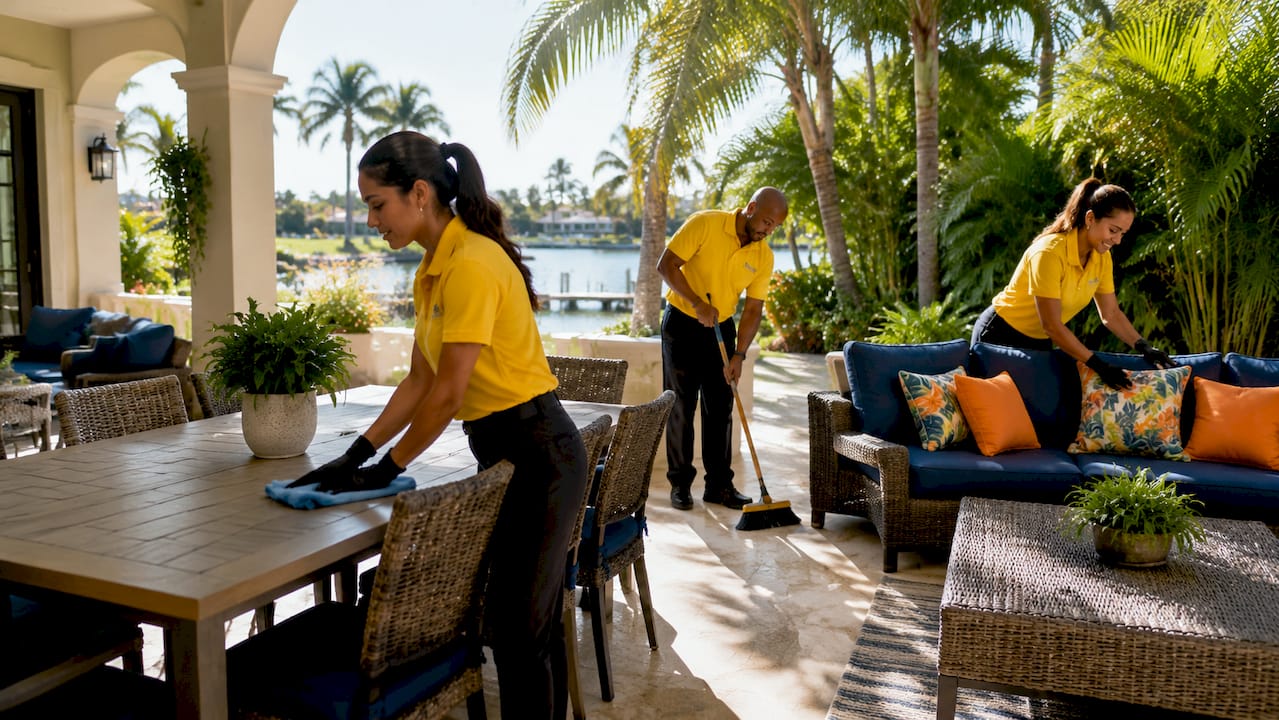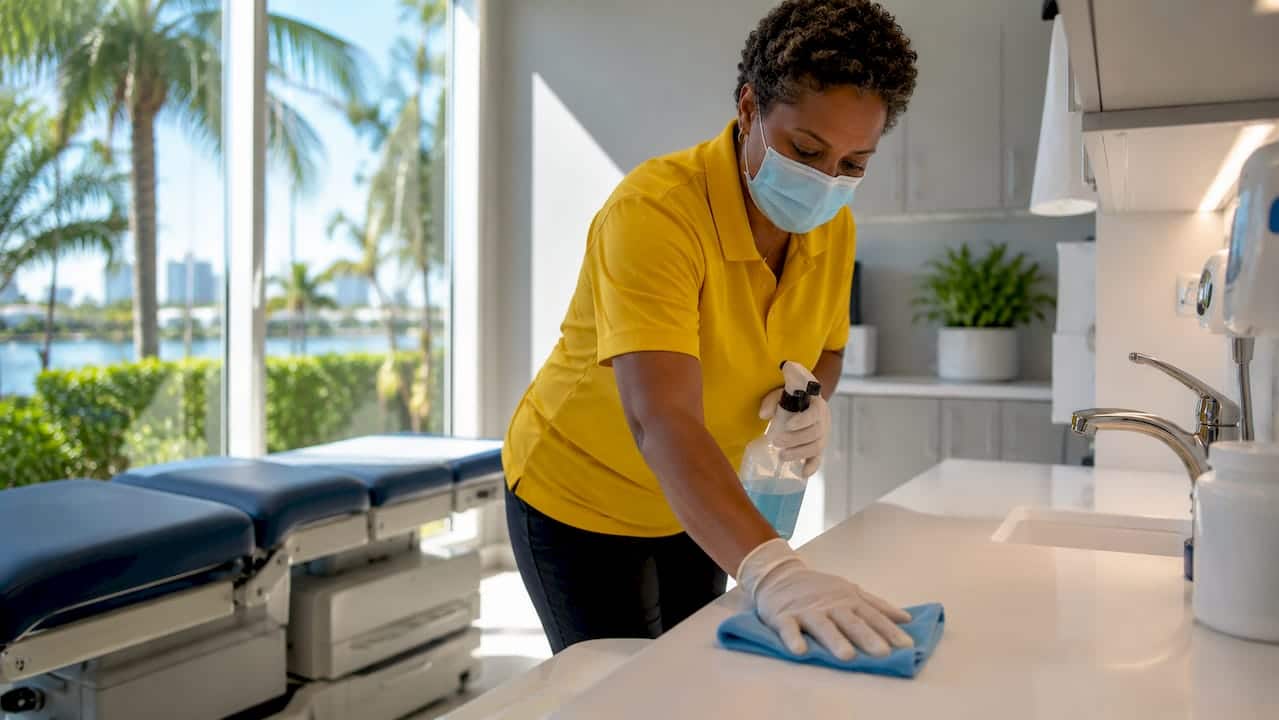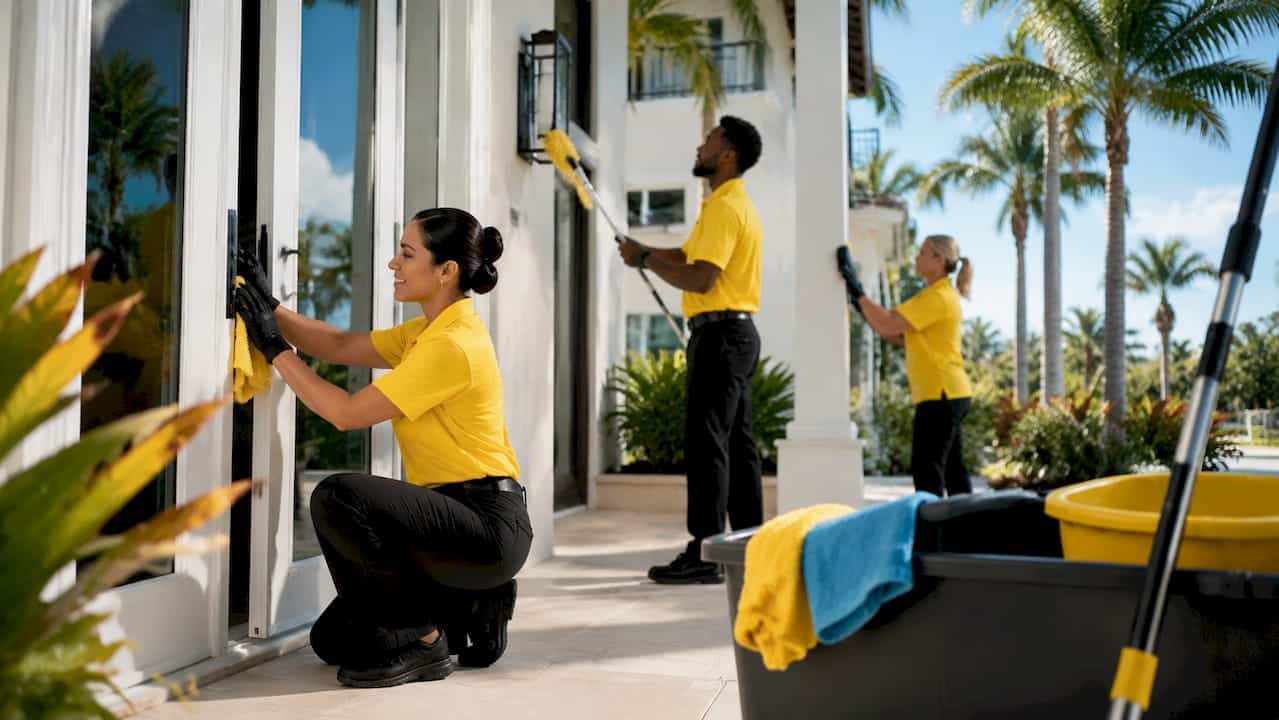
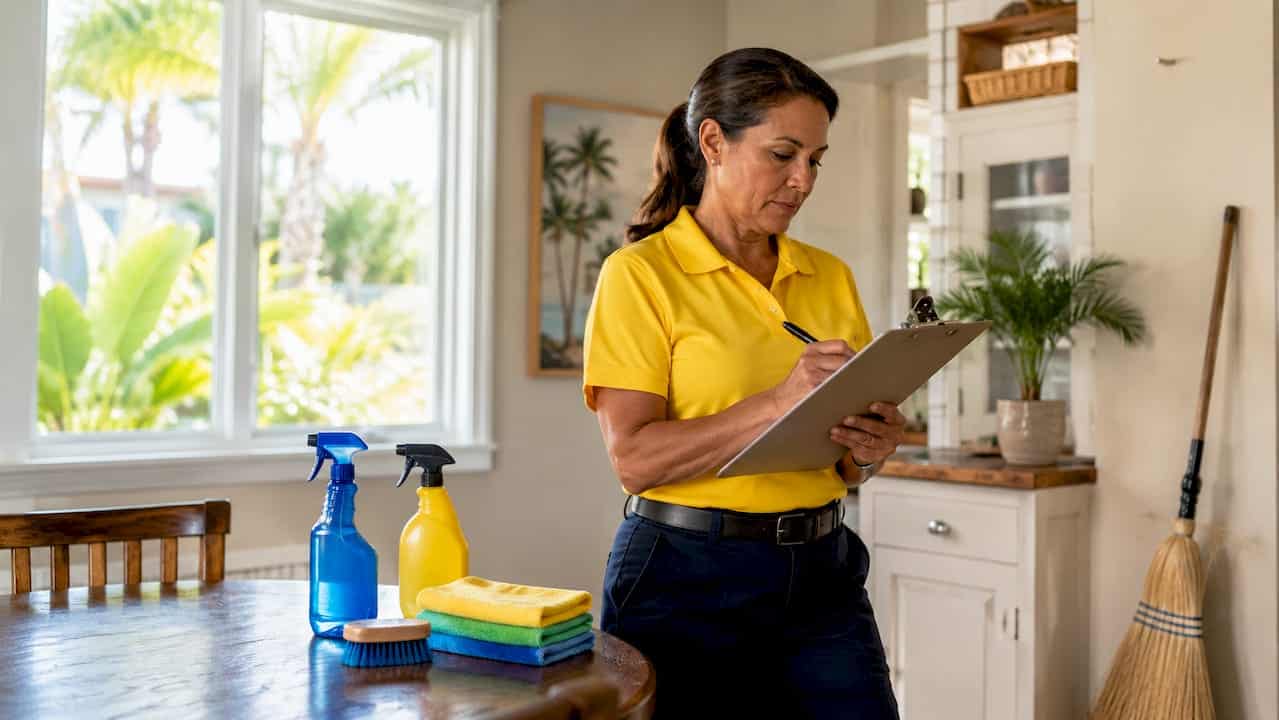
Cleaning for long-term stays is defined as a structured, recurring maintenance program that combines regular light cleans with periodic deep cleans to preserve property condition throughout extended occupancy. A single turnover clean cannot maintain a rental property for 30, 60, or 90 days. Short-stay cleaning strategies are not suitable for long-term rentals because treating all stays the same leads to rushed work, inconsistent guest experiences, and faster property wear. For Tampa Bay hosts managing Airbnb properties, furnished rentals, or vacation homes in Clearwater and St. Petersburg, the difference between a five-star review and a complaint often comes down to how well the cleaning schedule holds up over time.
1. what makes cleaning for long-term stays different
Long-term rental cleaning is a different discipline from short-stay turnover cleaning. A guest staying 30 days cooks more, showers more, and generates more wear than three guests rotating through 10-day stays. Grease accumulates inside ovens and on range hoods. Soap scum builds up on shower tiles. Dust settles behind furniture and inside cupboards in ways that a quick turnover clean never reaches.
Extended stays cause hidden dirt accumulations behind appliances, inside cupboards, and along skirting boards that require hybrid maintenance and periodic deep cleans. Regular upkeep prevents the need for costly restoration cleaning after a guest departs. That restoration cost is the number hosts feel most acutely, and it is entirely avoidable with the right plan in place.
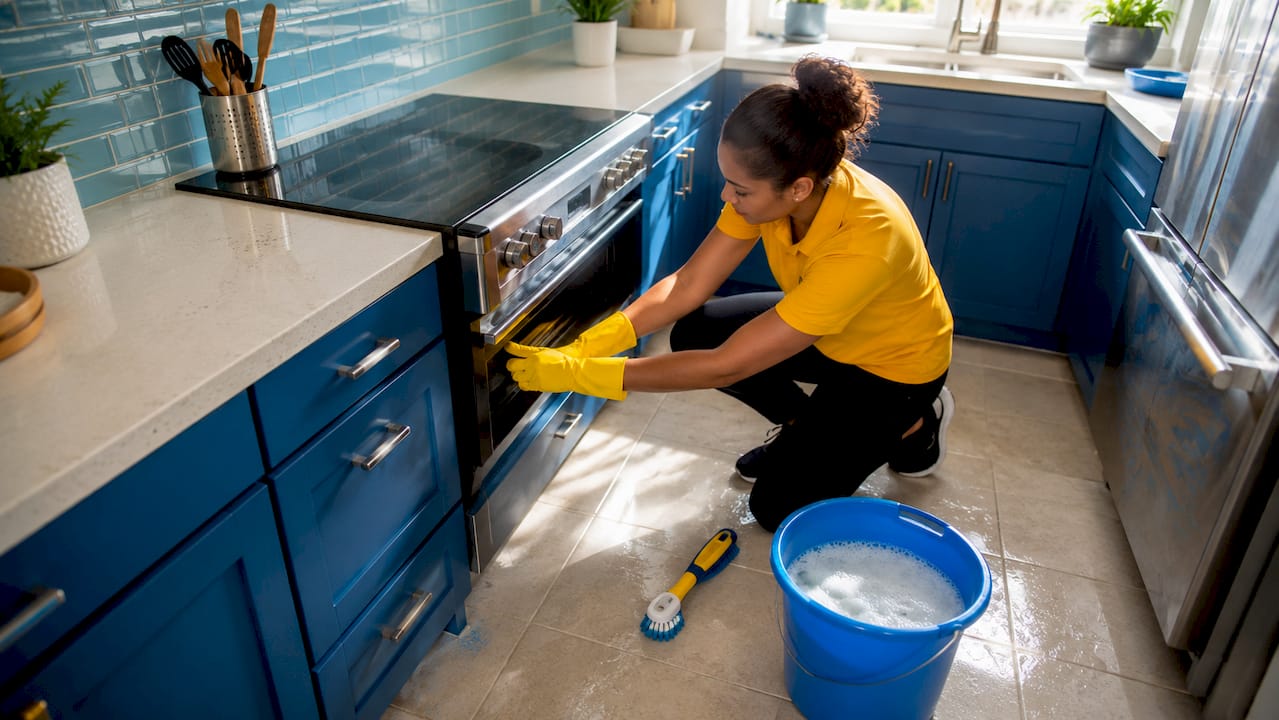
The industry term for this approach is recurring maintenance cleaning, which combines scheduled light cleans during the stay with structured deep cleans at set intervals. Both components are necessary. Neither works well without the other.
2. key cleaning tasks unique to long-term rentals
Long-term occupancy creates specific cleaning challenges that short-stay hosts rarely face. Knowing which tasks to prioritize keeps your property in good condition and your guests comfortable throughout their stay.
- Kitchen deep cleaning. Grease buildup on range hoods, stovetops, and inside ovens accelerates with daily cooking. Appliance descaling for kettles and coffee makers is needed every 3–4 weeks in hard-water areas like parts of Tampa Bay.
- Bathroom sanitization. Mold and soap scum develop faster in Florida’s humidity. Grout lines, shower doors, and caulking need targeted treatment every two weeks, not just a surface wipe.
- Linen and towel protocols. Mid-stay cleaning for stays of 7 or more days includes linen and towel refresh, bathroom sanitization, kitchen wipe-down, floor maintenance, and trash removal. This is the baseline for hotel-quality standards.
- Hidden buildup areas. Behind the refrigerator, inside kitchen cupboards, and along baseboards collect dust and debris that guests rarely notice but that compound over time.
- Trash and odor control. Extended kitchen use and regular occupancy mean trash cycles faster. Odors from bins, drains, and soft furnishings need proactive management, not reactive cleaning.
- Laundry access. Long-stay guests need access to laundry facilities or a linen exchange program. Without one, bedding and towels degrade faster and guest satisfaction drops.
Pro Tip: Use a baking soda and white vinegar solution on drains every two weeks to prevent odor buildup in bathrooms and kitchens. It costs almost nothing and eliminates one of the most common guest complaints in long-term rentals.
3. how to build a layered cleaning schedule
A layered cleaning schedule is the most reliable system for housekeeping for extended stays. It breaks the cleaning workload into three tiers, each serving a different purpose.
- Turnover clean. This happens before the guest arrives. It covers every surface, appliance, and fixture. Think of it as the baseline your maintenance cleans will protect. You can read more about what this involves in this turnover cleaning guide for Tampa Bay rentals.
- Maintenance clean (weekly to bi-weekly). This is a lighter service covering bathrooms, kitchens, floors, and linen refresh. It keeps the property at a consistent standard without requiring a full reset.
- Periodic deep clean (every 4–8 weeks). This targets the areas that accumulate buildup over time: oven interiors, behind appliances, inside cupboards, window tracks, and baseboards.
Long-term rental cleaning requires this multi-layered schedule of turnover cleans, maintenance deep cleans every 2–4 weeks, and full deep cleans every 1–3 months. Recurring services reduce costs up to 15% versus one-off bookings. That cost reduction alone makes the case for committing to a scheduled plan rather than booking cleans reactively.
How occupancy and season affect frequency
Peak season in Tampa Bay runs roughly from october through april, when snowbirds and vacation travelers fill long-term rentals. During high-occupancy periods, deep cleans should happen every 6–8 weeks rather than every 8–12 weeks. Off-peak periods allow more flexibility, but skipping maintenance cleans entirely is a mistake. Dust, mold spores, and pest activity do not pause because your occupancy rate dropped.
Communicating the schedule with guests
Separating the base stay cost from optional ongoing cleaning services helps set clear expectations. Light cleans every 2–3 weeks with paid add-ons maintain property condition during long-term rentals while giving guests control over their service level. Put the schedule in writing before check-in. Guests who know when cleaners will visit are more cooperative and less likely to feel their privacy is being disrupted.
Pro Tip: Build your cleaning schedule into the rental agreement, not just a welcome message. When guests sign off on the schedule upfront, you eliminate the awkward mid-stay conversation about access.
4. professional services vs. DIY: choosing the right approach
The decision between hiring long-term cleaning services and managing cleaning yourself comes down to three factors: time, consistency, and cost over the full rental period.
Professional recurring services
Recurring cleaning services build familiarity with a property’s unique needs, leading to improved and stable cleanliness over time. A professional cleaner who visits your Tampa Bay rental every two weeks knows where the grout stains are, which appliances need extra attention, and how the property should look at its best. That institutional knowledge is not available from a one-time booking.
The table below compares the two approaches across the factors that matter most to hosts.
| Factor | Professional Recurring Service | DIY or One-Time Cleans |
|---|---|---|
| Consistency | High. Same cleaner, same standard each visit | Variable. Depends on your availability and energy |
| Cost over 90 days | Lower per visit with recurring discount | Higher if you factor in your time and supplies |
| Deep clean quality | Professional-grade tools and products | Limited by consumer equipment |
| Guest communication | Cleaner handles access coordination | You manage every scheduling detail |
| Property familiarity | Builds over time with recurring visits | Resets with every new booking |
What to look for in a cleaning service for rentals
Not every cleaning company understands the specific demands of vacation home cleaning or long-term rental properties. When evaluating providers, prioritize these qualities:
- Experience with rental properties, not just residential homes
- Willingness to work on a recurring schedule with flexible frequency
- Use of eco-friendly, guest-safe cleaning products
- Licensed and insured status to protect your property
- Clear communication and reliable arrival times
Budget-conscious hosts sometimes try to reduce costs by skipping professional services during the middle weeks of a long stay. The trade-off is real: without maintenance cleans, the post-tenant deep cleaning becomes significantly more labor-intensive and expensive. The math rarely favors skipping.
5. expert tips for maintaining cleanliness during long-term rentals
The hosts who maintain the highest ratings on long-term rentals share a few practices that most guides overlook. These are not complicated. They are consistent.
- Rotate your deep-clean focus areas. Rather than attempting a full deep clean every visit, assign specific zones to each session. Week one covers the kitchen interior and appliances. Week two covers bathrooms and grout. Week three covers windows, baseboards, and behind furniture. Rotating detailed cleaning tasks prevents buildup without increasing time or cost significantly, and 12–24 week improvement cycles yield better long-term results than checklist-only methods.
- Provide guests with a linen exchange option. Long-term stays typically receive complimentary weekly cleaning with fresh linens and towels. Offering this as a standard service rather than an add-on reduces wear on your bedding and keeps guests satisfied without requiring them to ask.
- Set written cleaning expectations before check-in. Guests who understand what is and is not their responsibility keep properties cleaner. A simple one-page guide covering trash disposal, laundry protocols, and kitchen cleanup expectations makes a measurable difference.
- Use eco-friendly and non-toxic cleaning products. Products like Method, Seventh Generation, and Ecover are effective on common rental surfaces and safe for guests with sensitivities. Florida’s humidity accelerates mold growth, so choose products with proven antifungal properties for bathrooms.
- Address odors proactively. Activated charcoal bags in closets, baking soda in refrigerators, and enzyme-based drain cleaners used monthly prevent the odor complaints that tank long-term rental reviews.
- Use scheduling tools to stay organized. Apps like TurnoverBnB and Properly allow hosts to assign cleaning tasks, track completion, and communicate with cleaners without phone calls. These tools are especially useful for Tampa Bay hosts managing multiple properties across Clearwater, St. Petersburg, and Tampa.
Pro Tip: Ask your cleaner to photograph one “problem area” per visit, such as the oven interior or a bathroom grout line. Over time, this photo log shows you exactly how the property is aging and where your next investment should go.
You can also explore the benefits of recurring cleaning for Tampa Bay homes to understand how a consistent schedule compounds its value over a full rental season.
6. sustainable cleaning practices worth adopting
Sustainable cleaning practices are not just good for the environment. They protect your guests, your property surfaces, and your long-term operating costs. Harsh chemical cleaners degrade grout, strip finishes from countertops, and leave residues that irritate guests with allergies or asthma.
Microfiber technology is one of the most practical upgrades a host can make. Microfiber cloths and mop heads remove up to 99% of bacteria with water alone, reducing the volume of chemical cleaners needed per visit. They also last hundreds of wash cycles, making them more cost-effective than disposable alternatives over a full rental season.
Concentrated cleaning products from brands like Blueland or Grove Collaborative reduce plastic waste and cost less per use than ready-to-use sprays. For Tampa Bay hosts managing multiple properties, the savings across a season are meaningful. Pair concentrated products with reusable spray bottles and you eliminate a significant portion of single-use plastic from your cleaning routine.
Water conservation matters in Florida, particularly during dry season. Microfiber mops use significantly less water than traditional string mops. Steam cleaners sanitize surfaces without any chemical input and are particularly effective on tile grout in bathrooms, which is one of the hardest surfaces to keep clean in Florida’s climate.
Building customized maintenance plans that incorporate sustainable products and methods from the start is far easier than retrofitting them later. The hosts who do this consistently report lower supply costs and fewer guest complaints about chemical smells.
Key takeaways
Effective cleaning for long-term stays requires a layered schedule of maintenance cleans and periodic deep cleans, not a single turnover clean repeated at checkout.
| Point | Details |
|---|---|
| Use a three-tier cleaning schedule | Combine turnover cleans, bi-weekly maintenance cleans, and deep cleans every 4–8 weeks. |
| Recurring services outperform one-off cleans | Familiarity with your property leads to consistently higher cleanliness standards over time. |
| Rotate deep-clean focus areas | Assign specific zones to each visit to prevent buildup without increasing cost per session. |
| Set written expectations with guests | Include the cleaning schedule in the rental agreement to avoid mid-stay friction. |
| Sustainable products protect surfaces | Microfiber tools and concentrated cleaners reduce costs and extend the life of finishes and fixtures. |
What i’ve learned about long-term rental cleaning the hard way
Most hosts I talk to make the same mistake early on. They treat a long-term rental like a series of short stays and book a deep clean every time a guest checks out. That approach works fine for a 3-night booking. For a 60-day stay, it is a recipe for a property that slowly deteriorates while you wait for checkout day to fix it.
The shift that actually changes outcomes is moving from reactive to scheduled. When you have a cleaner visiting every two weeks, they catch the mold forming in the corner of the shower before it becomes a remediation problem. They notice the oven is getting heavy with grease before it starts smoking. That early intervention is worth far more than any single deep clean.
I have also seen hosts underestimate how much the cleaner relationship matters. A professional who knows your Tampa Bay rental, knows your standards, and knows where the spare key is will consistently outperform a rotating roster of one-time bookings. Consistency in the cleaner produces consistency in the result. That is not a soft benefit. It shows up directly in your guest reviews.
The other thing worth saying plainly: do not skip the mid-stay clean to save money. The cost of a restoration clean after a 90-day stay without maintenance is almost always higher than the cost of four bi-weekly visits. Hosts who have done the math once rarely make that trade-off again.
For hosts in the Tampa Bay area, the local climate adds a layer of urgency. Humidity accelerates mold, and Florida summers are unforgiving to properties that go without regular bathroom and kitchen attention. A vacation rental cleaning guide built for this climate is worth reading before you finalize your schedule.
— Matt
Keep your tampa bay rental in top shape with Floridacc
Managing a long-term rental in Tampa, Clearwater, or St. Petersburg takes more than a good property. It takes a cleaning plan that holds up across weeks and months of occupancy.

Floridacc offers residential cleaning services designed specifically for property owners and rental hosts who need reliable, recurring care. From bi-weekly maintenance cleans to full post-tenant deep cleans, the team at Floridacc works around your rental schedule and your guests’ needs. The service is licensed, insured, and built on eco-friendly products that are safe for guests and gentle on your property’s surfaces. Request a free estimate and get a plan that fits your property, not a generic package.
FAQ
What is the ideal cleaning frequency for a long-term rental?
Most long-term rentals benefit from a bi-weekly maintenance clean combined with a full deep clean every 4–8 weeks. High-occupancy periods or peak season in Tampa Bay may require more frequent deep cleans, closer to every 6 weeks.
How is long-term rental cleaning different from short-stay turnover cleaning?
Short-stay turnover cleaning resets a property between guests. Long-term rental cleaning maintains a property throughout an extended stay, targeting cumulative buildup in kitchens, bathrooms, and hidden areas that a turnover clean does not reach.
Should i include cleaning costs in the base rental price?
Separating cleaning costs from the base rental charge is the clearer approach. It allows guests to choose their service level and sets transparent expectations from the start, which reduces disputes and keeps the property better maintained.
What cleaning products work best for long-term rental properties?
Eco-friendly products from brands like Method, Seventh Generation, and Ecover are effective on standard rental surfaces and safe for guests with sensitivities. Microfiber tools paired with concentrated cleaners reduce both chemical use and supply costs over a full rental season.
How do i prevent odor buildup in a long-term rental?
Use enzyme-based drain cleaners monthly, activated charcoal bags in closets and storage areas, and baking soda in refrigerators. Proactive odor management during the stay prevents the deep deodorizing treatments that become necessary after extended neglect.