Streaky windows are one of those frustrations that seem simple to fix but somehow get worse every time you try. You spray, wipe, and step back only to find smears, water spots, and a glass surface that looks worse in sunlight than before you started. The good news is that professional window cleaners follow a specific procedure that eliminates guesswork entirely. This guide walks you through every stage of that process, from choosing the right tools to tackling hard water stains common in Tampa Bay, so you can get genuinely clear results without wasting a Saturday afternoon.
Table of Contents
- What makes an effective window cleaning procedure?
- What tools and materials do you need?
- Step-by-step window cleaning procedure for homes and buildings
- Critical safety guidelines for window cleaning
- How to handle problems, streaks, and maintenance after cleaning
- Why hire professional window cleaning services in Tampa Bay?
- Frequently asked questions
Key Takeaways
| Point | Details |
|---|---|
| Prep matters most | Removing debris and using the right tools are essential for a streak-free finish. |
| Choose safe techniques | Water-fed poles and personal protective gear reduce risks during window cleaning. |
| Work smarter, not harder | Professional methods like purified water and proper angles deliver better results with less effort. |
| Consistent maintenance extends shine | Regular cleaning and the right aftercare keep windows clearer for longer. |
| Hire pros for complex jobs | Professional cleaners are the safest and most efficient option for multi-story or hard-to-access windows. |
What makes an effective window cleaning procedure?
Not all window cleaning methods are equal. A truly effective procedure delivers streak-free glass, keeps you safe, works efficiently, and avoids harsh chemicals that damage frames or harm the environment. Before you grab a bottle of spray cleaner and a paper towel, it helps to understand why professional methods produce dramatically better results.
The two main approaches are the traditional squeegee method and the water-fed pole system. Each has its place depending on the job.
| Method | Best for | Speed | Safety | Detergent needed |
|---|---|---|---|---|
| Traditional squeegee | Heavy grime, interiors, precision work | Moderate | Requires ladder for height | Yes |
| Water-fed pole | Multi-story exteriors, large surface areas | Up to 60% faster | Ground-level operation | No |
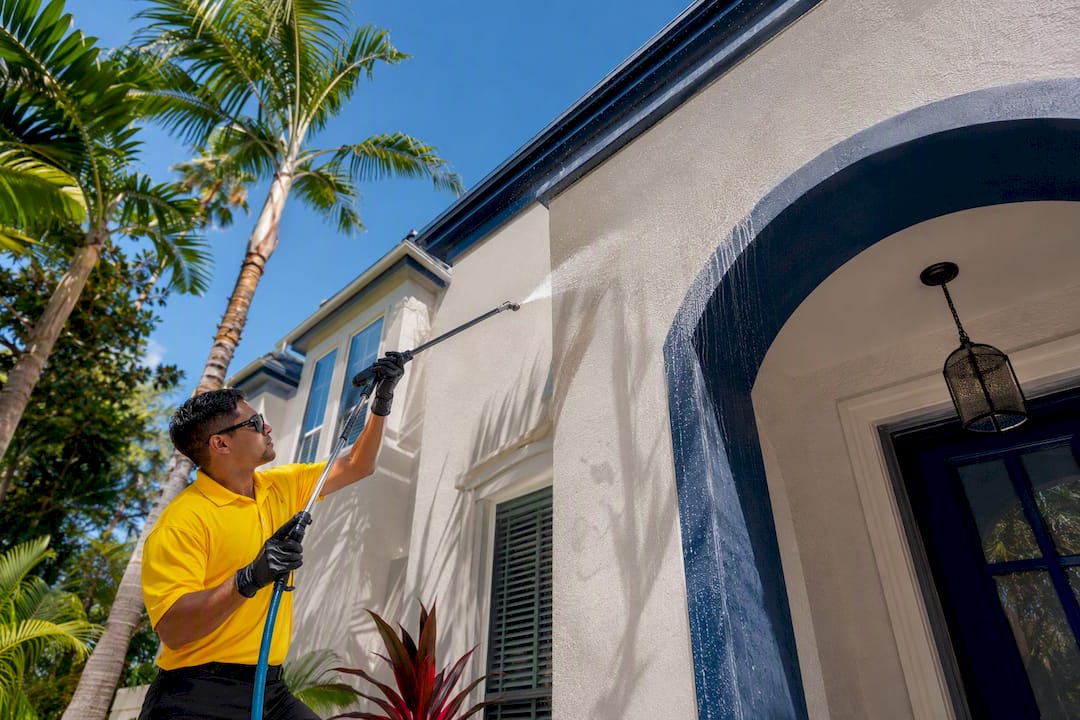
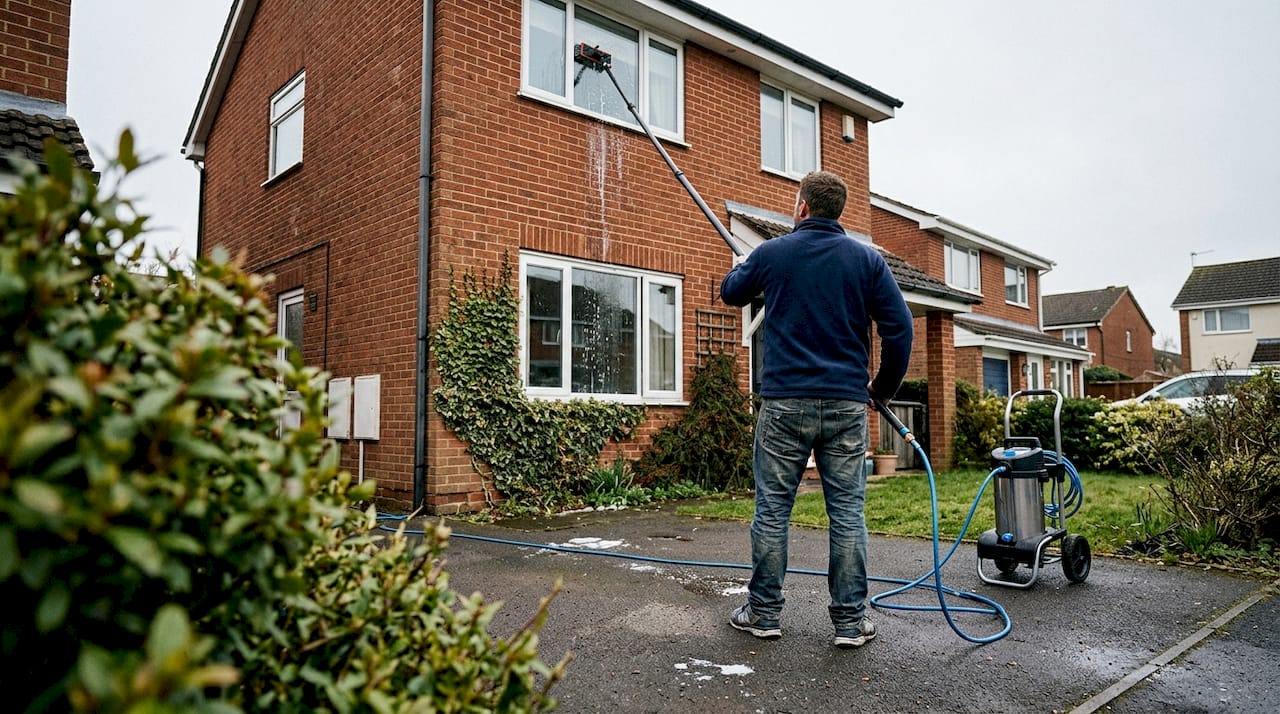
Water-fed poles push purified water through a brush head at the end of an extendable pole, rinsing glass from the ground. This makes them far safer and faster for multi-story buildings while eliminating detergent residue entirely. Traditional squeegees still win for interior cleaning and heavy grime that needs physical scrubbing.
Safety is non-negotiable regardless of method. IWCA and HSE standards emphasize avoiding height work wherever possible, using poles instead of ladders, conducting a risk assessment before starting, and wearing proper personal protective equipment (PPE). Falls from ladders during window cleaning account for a significant share of home maintenance injuries every year.
Here are the core principles every effective procedure follows:
- Use clean tools before every session
- Choose the right time of day (overcast, not sunny)
- Match your method to the job type
- Use the correct water and detergent combination
- Prioritize safety over speed
For homeowners considering professional window cleaning in Tampa Bay, these same principles guide every job our team handles.
What tools and materials do you need?
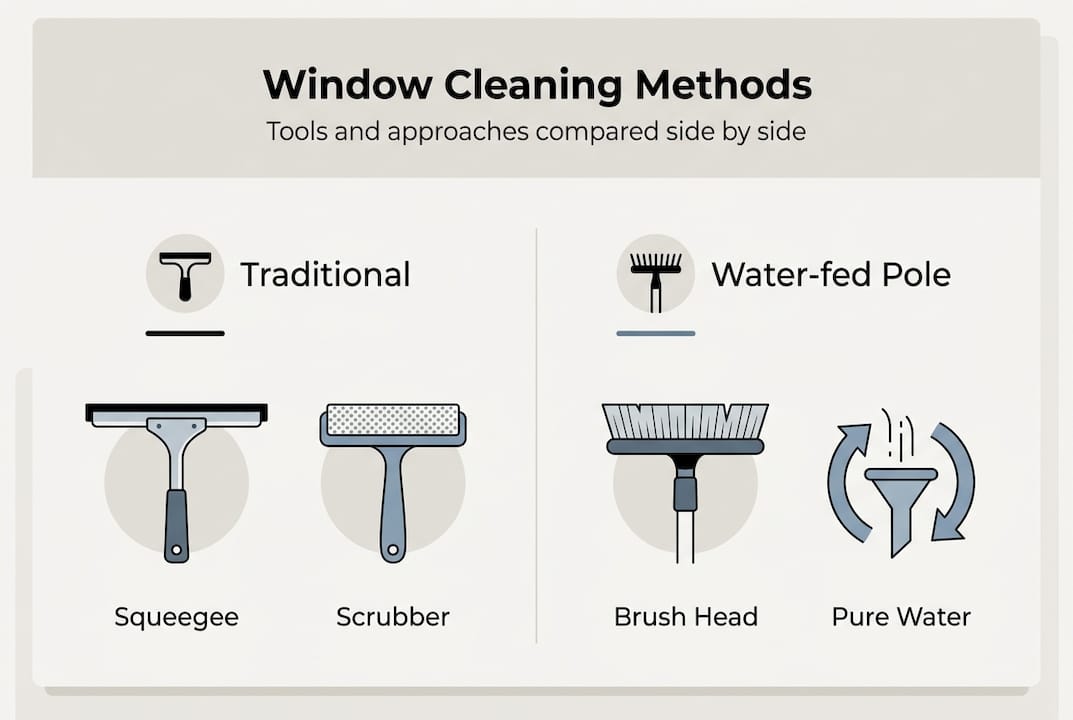
Getting the right tools before you start saves time and prevents the most common mistakes. Here is a side-by-side breakdown of what each method requires.
| Tool | Traditional method | Water-fed pole method |
|---|---|---|
| Main applicator | Squeegee + scrubber sleeve | Water-fed brush head |
| Water type | Distilled or purified | Purified (deionized) |
| Cleaning solution | Dish soap or window cleaner | None required |
| Reach | Ladder for height | Pole extends to 30+ feet |
| Drying | Microfiber cloth | Air dries spot-free |
| Cost to start | Low ($20 to $60) | Higher ($200 to $800+) |
Using distilled or purified water is one of the most overlooked steps. Tampa Bay’s tap water contains minerals that leave white spots on glass as the water evaporates. Distilled water eliminates that problem entirely.
Your essential PPE and supply checklist:
- Safety glasses to protect against splashing solution
- Non-slip gloves for grip and skin protection
- Microfiber cloths for edges and frames
- Bucket with a wringer for solution control
- Ladder with stabilizers if height work is unavoidable
- Distilled water for mixing and rinsing
Pro Tip: Invest in a quality rubber-bladed squeegee rather than a cheap plastic one. A worn or nicked blade is the single biggest cause of streaks, no matter how good your technique is. Replace blades every season.
In Tampa Bay specifically, high humidity means windows attract more airborne salt, pollen, and mold spores than in drier climates. That affects how often you clean and which tools hold up best over time. You can find more guidance on cleaning tool recommendations suited to Florida’s conditions on our blog.
Step-by-step window cleaning procedure for homes and buildings
Follow this sequence and you will avoid the most common mistakes that cause streaks, missed spots, and wasted effort.
- Remove screens and inspect the glass. Pull out window screens and set them aside for separate cleaning. Check the glass for cracks or broken seals (fogging between panes means the seal is gone and cleaning won’t help).
- Sweep the sill and frame. Use a dry brush or cloth to remove loose dirt, cobwebs, and debris before any water touches the surface. Wet dirt turns into mud and smears.
- Wet the glass fully. Apply your cleaning solution or purified water generously using a scrubber sleeve or water-fed brush. Full coverage prevents dry spots that cause streaking.
- Scrub the surface. Work in overlapping horizontal strokes, applying light pressure. Pay extra attention to corners and edges where grime builds up.
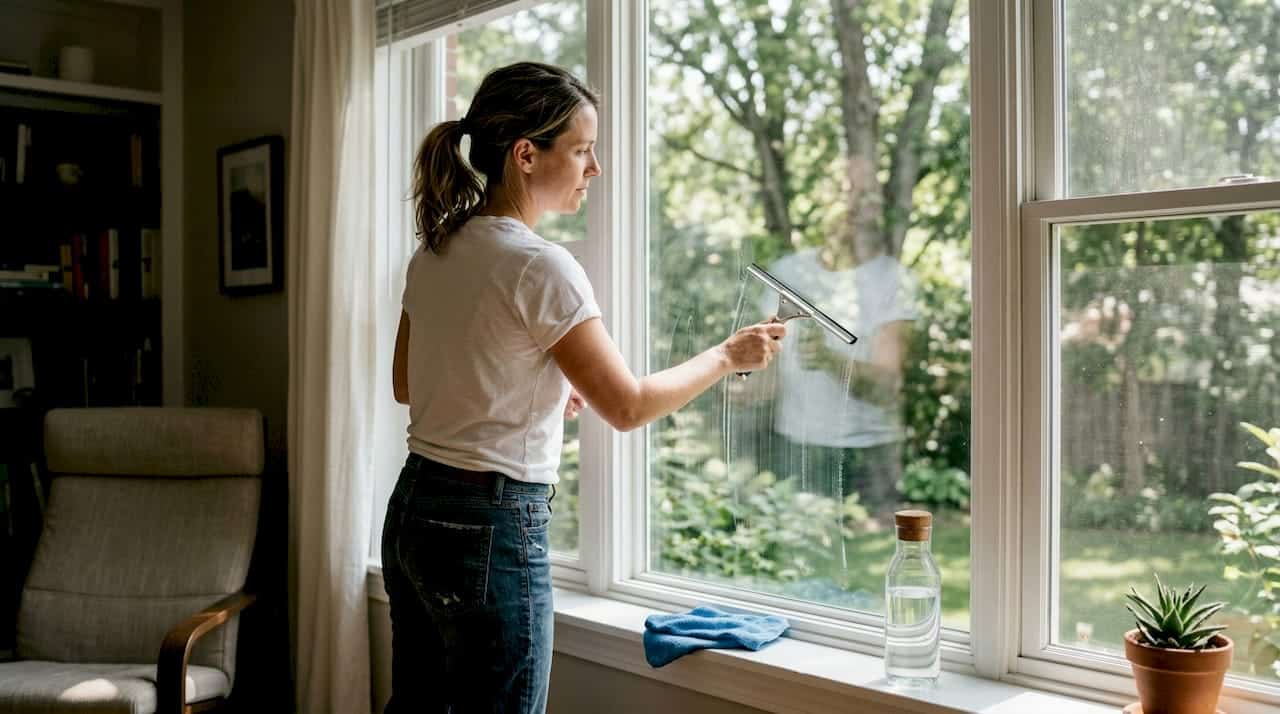
- Squeegee from top to bottom. Hold the blade at a 45-degree angle to the glass and pull in a single, smooth stroke. Overlap each pass by about an inch.
- Wipe the blade after every stroke. Use a clean microfiber cloth to remove water and grime from the blade before the next pass. Skipping this step transfers dirt back onto clean glass.
- Wipe frames and sills. Use a damp microfiber cloth to clean the frame and catch any drips before they dry.
- Final inspection. Step back and check the glass at an angle in natural light. Touch up any remaining spots with a barely damp microfiber cloth.
Pro Tip: Clean windows on a cloudy day. Direct sunlight dries the solution before you can squeegee it off, which is the leading cause of streaks on otherwise well-cleaned glass.
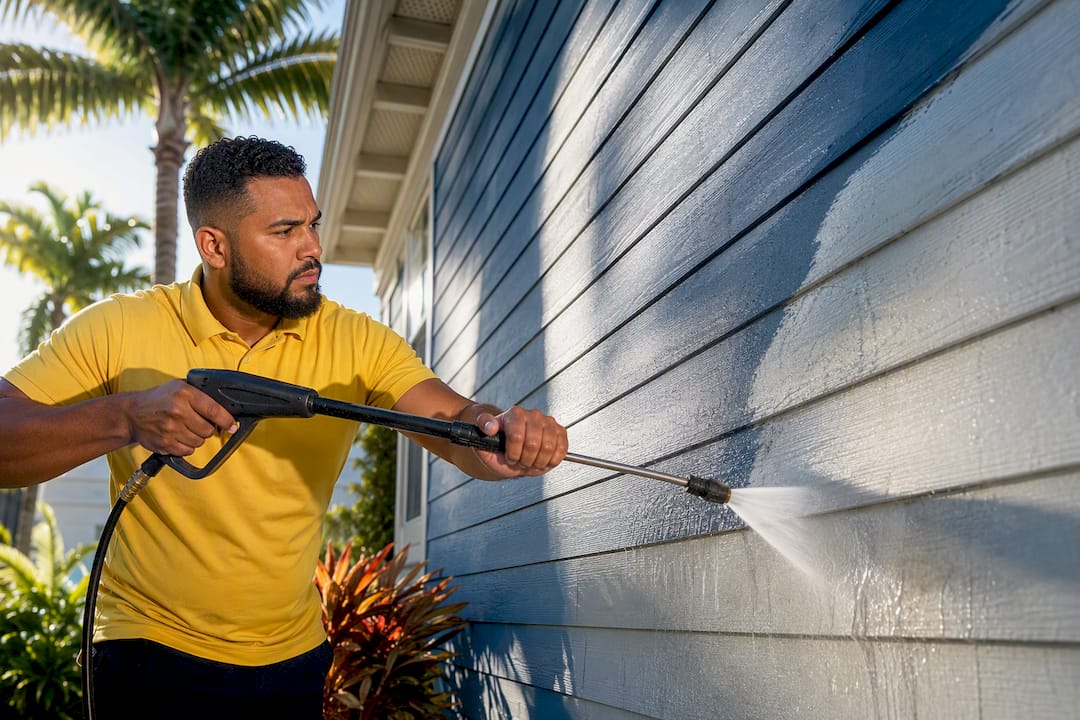
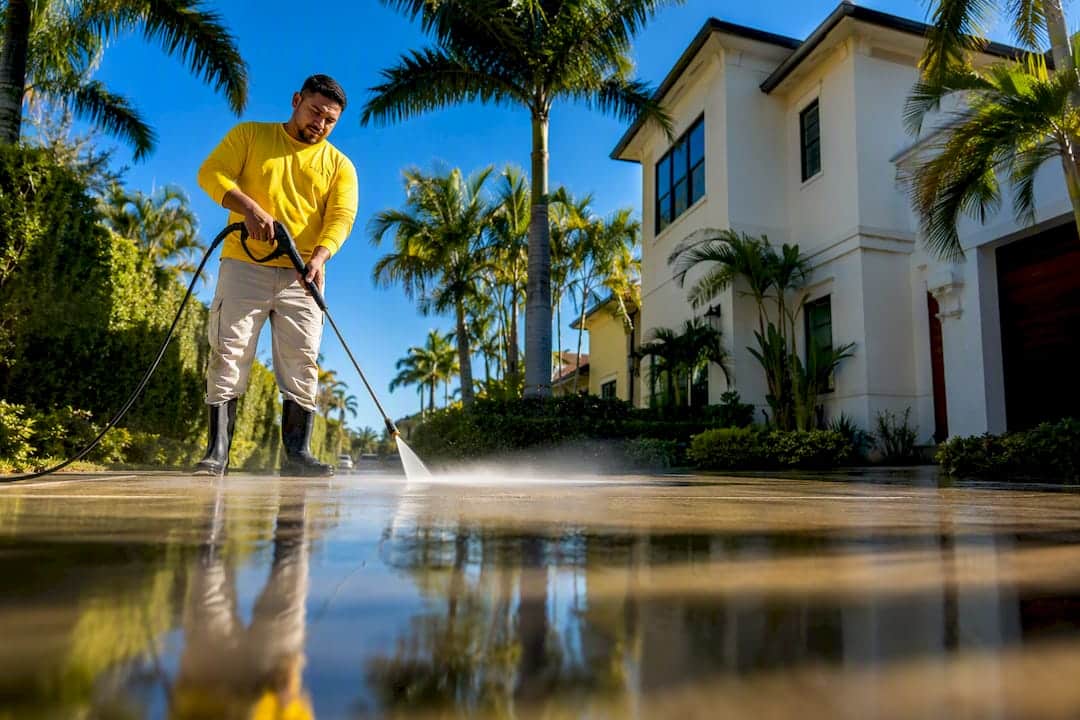
For multi-story homes, water-fed pole systems cut cleaning time significantly compared to ladder-based work. Hard water stains that don’t respond to standard cleaning may need a mild acid solution applied in stages. If you also need exterior surface work, pressure washing for exteriors can handle surrounding surfaces like siding and driveways before you tackle the glass.
Critical safety guidelines for window cleaning
Window cleaning looks straightforward until someone gets hurt. Falls from ladders are one of the leading causes of home maintenance injuries, and most are preventable.
Caution: Never lean a ladder against a window frame or stand on the top two rungs. If a window requires you to stretch or reach beyond your comfort zone, stop and use a pole system or call a professional. No clean window is worth a fall.
Using a water-fed pole system removes the need for ladders on most exterior jobs, which is the single most effective safety upgrade you can make. For any work that does require height, HSE and IWCA guidelines require a full risk assessment before starting.
Follow these safety basics on every job:
- Wear safety glasses and non-slip gloves at all times
- Inspect ladders for damage before each use
- Set ladders on firm, level ground and use a stabilizer bar
- Never work alone on elevated surfaces
- Assess wind, rain, and surface conditions before climbing
- Keep bystanders and pets away from the work area
For complex properties, multi-story buildings, or any situation where you feel uncertain, the right call is to contact professional cleaning safety experts who carry the proper insurance and equipment.
How to handle problems, streaks, and maintenance after cleaning
Even a solid procedure occasionally leaves behind issues. Here is how to troubleshoot the most common ones.
- Streaks after drying: Check your blade for nicks or debris. Re-clean with distilled water and a fresh microfiber cloth using light circular pressure.
- White mineral spots: These are hard water deposits. Apply a diluted white vinegar solution, let it sit for two minutes, then scrub gently. Severe cases may need a staged acid treatment from a professional.
- Foggy glass between panes: This is a broken seal, not a cleaning problem. Cleaning won’t fix it. You need a window repair specialist.
- Residue or film after cleaning: Usually caused by too much detergent. Rinse thoroughly with clean water and squeegee again.
- Mold or mildew on frames: Use a diluted bleach solution on frames only, keeping it off the glass. Rinse completely.
For long-term clarity between professional visits:
- Wipe sills and frames monthly to prevent buildup
- Set a cleaning schedule every three to four months in Tampa Bay’s climate
- Use distilled water for quick touch-ups between full cleans
- Keep screens clean so they don’t transfer grime back to the glass
- Check for troubleshooting window cleaning tips on our blog for Florida-specific issues
Recurring problems despite regular cleaning usually signal an underlying issue, whether it’s a broken seal, damaged frame, or water source problem, that a professional should assess.
Why hire professional window cleaning services in Tampa Bay?
If you’ve followed this guide and still find yourself spending hours on windows that never quite look right, you’re not alone. Tampa Bay’s humidity, salt air, and hard water create conditions that push standard DIY methods to their limits.

Our window cleaning specialists bring professional-grade water-fed pole systems, purified water setups, and years of experience handling Florida’s specific challenges, from coastal mineral deposits to mold-prone frames. We work on residential properties, multi-story buildings, and commercial spaces with the same attention to detail. If your property needs a broader refresh, our commercial cleaning experts can coordinate full-service solutions that go beyond glass. Request a free estimate today and see what genuinely clean windows look like.
Frequently asked questions
How often should you clean windows in Tampa Bay?
Most experts recommend professional window cleaning every three to six months due to Tampa Bay’s high humidity, salt air, and pollen levels, which accelerate buildup faster than in drier climates.
Is water-fed pole cleaning safe for all types of windows?
Water-fed pole systems are safe for most exterior windows, but you should test on delicate or older frames first, since the brush pressure and water flow can affect certain materials.
What causes streaks after window cleaning?
Avoiding direct sun and using purified water are the two biggest streak preventers. Dirty blades and too much detergent are the other main culprits.
Should you use store-bought detergents or just pure water?
Pure water is preferred for exterior glass because it leaves no residue when it dries. Strong detergents are better reserved for heavy interior grime or stains that water alone can’t lift.
When is it safer to hire a professional window cleaner?
Hire a pro whenever windows are above the first floor, when you lack proper safety equipment, or when recurring stains and buildup don’t respond to standard cleaning. IWCA and HSE standards make clear that risk assessment and proper equipment are essential for any elevated window work.