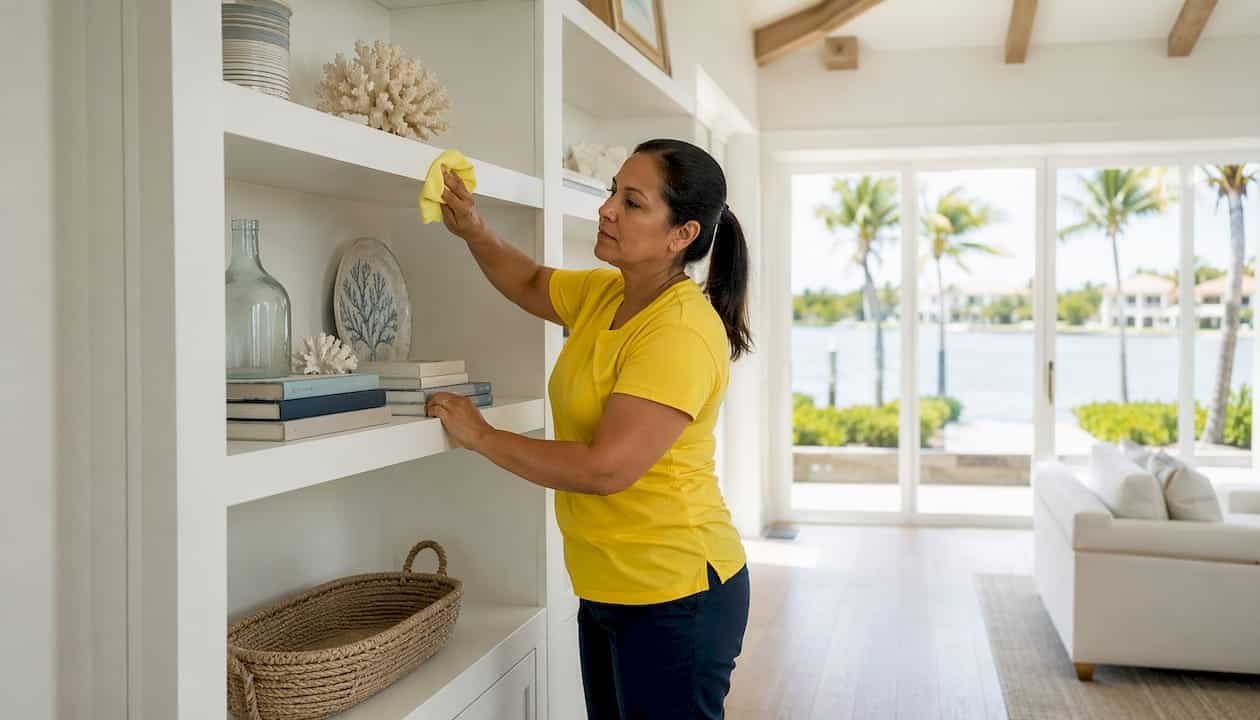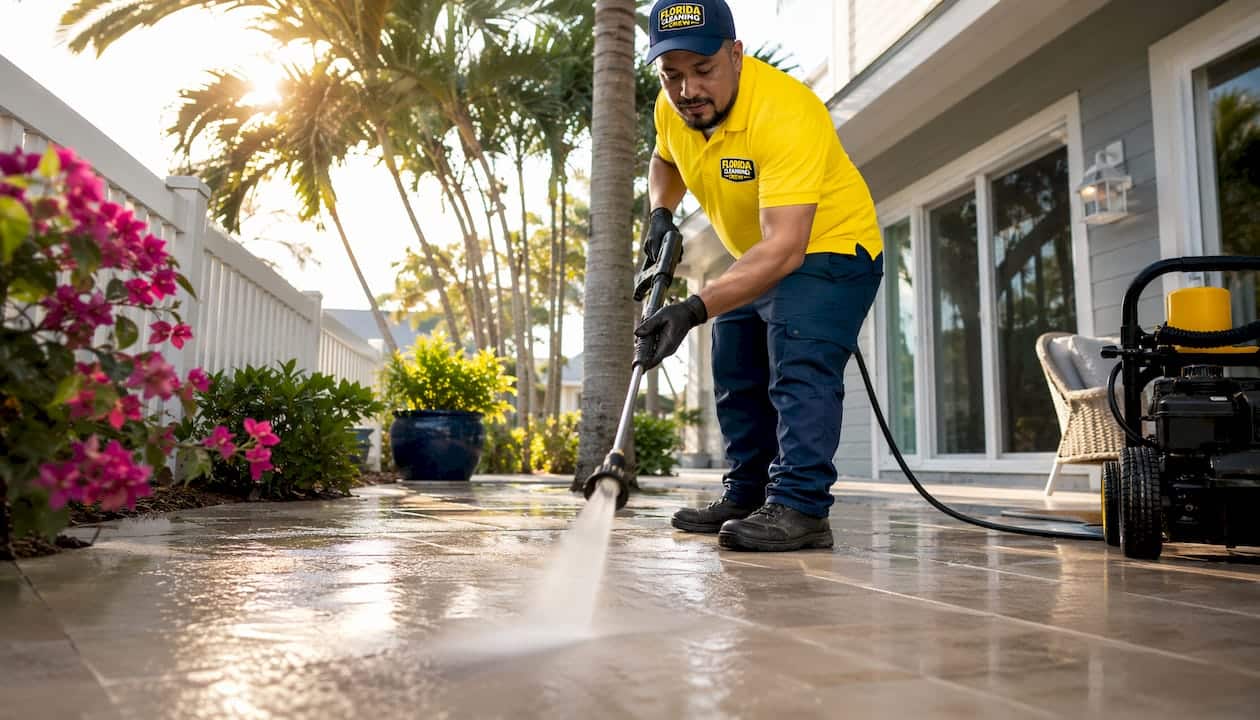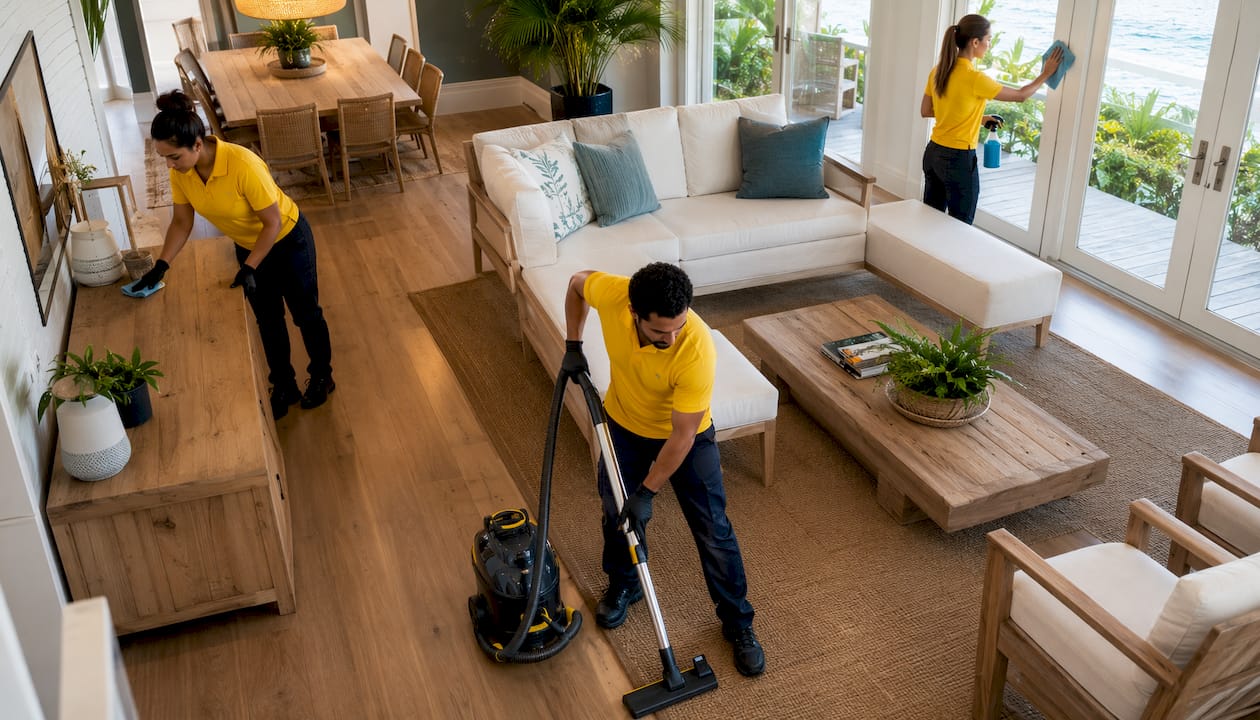
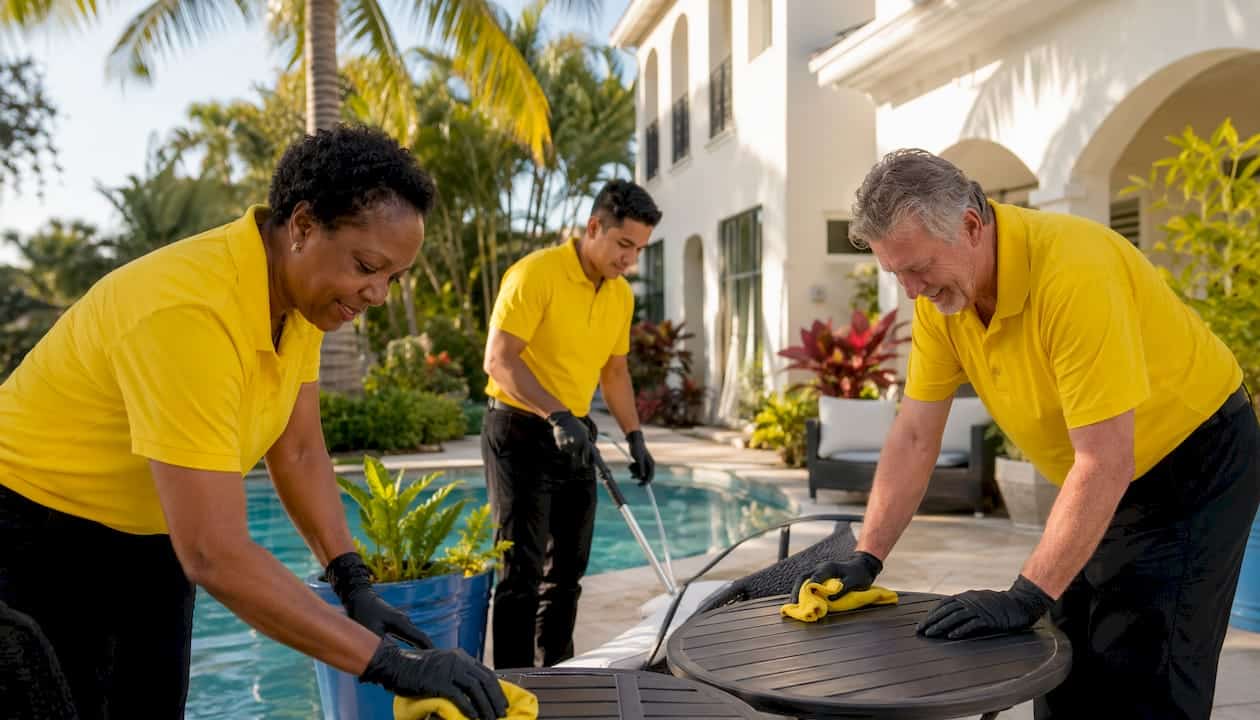
Four seasonal deep-cleans per year, one per season, cover every must-do maintenance and allergen task your home needs to stay healthy and problem-free. Pick the upcoming season, print the checklist below, and decide which tasks you handle yourself and which you hand to a licensed cleaner. A single Saturday morning covers most must-dos; a full weekend handles everything on the list.
Table of Contents
- What should your seasonal cleaning schedules include each year?
- How do you turn a checklist into a plan you can actually finish?
- What supplies and tools do you need for a seasonal deep-clean?
- Which seasonal tasks actually improve health, and which are myths?
- When should you hire a pro instead of doing it yourself?
- How do you clean and maintain outdoor gardening tools each season?
- Key Takeaways
- A local perspective on Gulf Coast seasonal cleaning
- Floridacc handles the seasonal tasks you would rather not do yourself
- Useful sources
- FAQ
What should your seasonal cleaning schedules include each year?
A solid year-round plan breaks into four focused sessions. Each one targets the tasks that matter most for that season’s specific risks, from spring pollen and open windows to winter fireplace prep and humidity spikes. Here is what each season demands.

Spring checklist (March through May)
Spring is the highest-stakes season for allergen control. Before you open windows, check outdoor air quality first, especially if anyone in your home has asthma.
Must-do tasks:
- Replace HVAC filter (MERV 13 or the highest your system supports) — 15 minutes
- Wash all bedding in 130°F water and dry on high heat — 2 hours
- HEPA-vacuum carpets, rugs, and upholstered furniture — 1.5 hours
- Wipe down window sills, blinds, and curtain rods — 45 minutes
- Clean bathroom exhaust fans and kitchen range hood — 30 minutes
- Inspect and clean gutters (use a stabilized ladder, spotter required) — 1.5 hours
- Pressure wash driveway, walkways, and siding — 2 hours
- Check weatherstripping and seal pest entry points — 30 minutes
Nice-to-do: Wash windows inside and out, deep-clean refrigerator coils, reorganize garage storage.
Total estimate: 8–10 hours across one weekend.
Summer checklist (June through August)
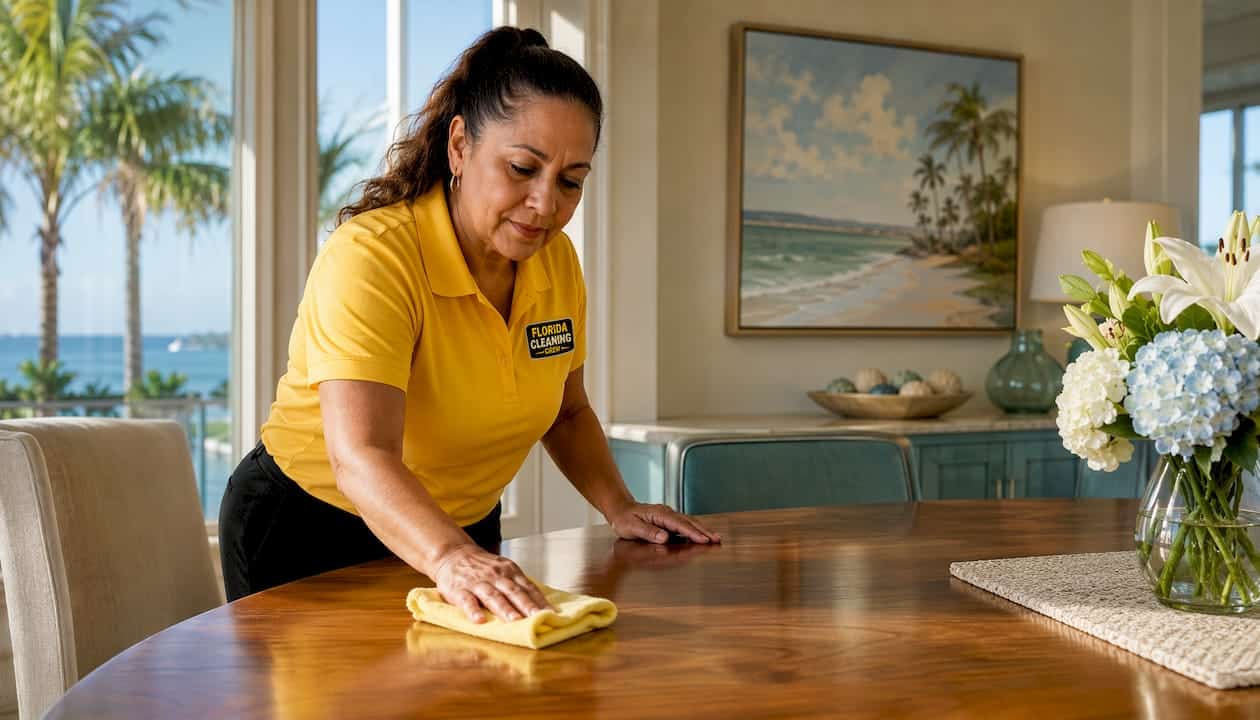
In Tampa Bay, summer means humidity above 75%, which is exactly the threshold at which dust mites thrive. Humidity control is the priority, not cosmetic cleaning.
Must-do tasks:
- Run dehumidifier and confirm indoor humidity stays between 30% and 50%
- Clean air conditioning coils and check condensate drain line — 30 minutes
- Replace HVAC filter — 15 minutes
- Wash bedding weekly in hot water throughout the season
- Deep-clean bathrooms, paying attention to grout and caulk for mold — 1 hour
- Store outdoor furniture cushions when not in use; wipe down frames — 45 minutes
- Inspect window and door screens; repair or replace torn screens — 30 minutes
- Clean dryer vent (lint buildup is a fire risk) — 30 minutes
Nice-to-do: Organize linen closets, clean ceiling fans, wipe cabinet fronts.
Total estimate: 5–7 hours over a weekend morning.
Fall checklist (September through November)
Fall is prep season. Hurricane season runs through November in Florida, so exterior tasks should be completed before October if possible.
Must-do tasks:
- Schedule chimney and fireplace inspection before first use — professional required
- Replace HVAC filter and switch system to heating mode; test before cold nights — 30 minutes
- Clean gutters after leaves fall — 1.5 hours (ladder safety applies)
- Drain and store garden hoses; shut off exterior water bibs if applicable — 20 minutes
- Deep-clean carpets and rugs with a steam extractor or hire a pro — 2–3 hours
- Wash curtains and dry-clean or launder heavy drapes — 1.5 hours
- Inspect attic and crawl space for moisture or pest activity — 30 minutes
- Seal any new cracks or gaps in foundation, siding, or window frames — 45 minutes
Nice-to-do: Rotate mattresses, clean behind large appliances, organize pantry.
Total estimate: 8–10 hours across one weekend.
Winter checklist (December through February)
Winter in Tampa Bay is mild, but indoor air gets stale when windows stay closed. Focus on air quality and pest prevention.
Must-do tasks:
- Replace HVAC filter — 15 minutes
- Deep-clean kitchen (oven, hood, behind refrigerator) — 2 hours
- Wash mattress encasings and pillow covers in hot water — 1.5 hours
- HEPA-vacuum all carpets, under furniture, and along baseboards — 1.5 hours
- Wipe down all hard surfaces, light switches, and door handles — 45 minutes
- Check under sinks and around pipes for moisture or pest evidence — 20 minutes
- Clean and store any outdoor gardening tools (see the outdoor section below)
Nice-to-do: Declutter closets, donate unused items, clean light fixtures.
Total estimate: 6–8 hours over one weekend.
Task reference table
| Task | Estimated time | Priority |
|---|---|---|
| HVAC filter replacement | 15 min | Must-do |
| Bedding wash (130°F) | 2 hrs | Must-do |
| HEPA-vacuum carpets and rugs | 1.5 hrs | Must-do |
| Gutter cleaning (ladder required) | 1.5 hrs | Must-do |
| Pressure washing exterior | 2 hrs | Must-do |
| Chimney/fireplace inspection | Pro required | Must-do (fall) |
| Window and blind cleaning | 1 hr | Nice-to-do |
| Refrigerator coil cleaning | 30 min | Nice-to-do |
| Dryer vent cleaning | 30 min | Must-do |
| Carpet deep extraction | 2–3 hrs | Must-do (fall) |
How do you turn a checklist into a plan you can actually finish?
Start with the must-dos and block time in 30–120 minute chunks. Grouping related tasks saves real time. Change the HVAC filter first, then immediately vacuum the vents and surrounding floor, so you are not pulling dust back into a fresh filter.
A realistic Saturday plan looks like this:
Morning (8 AM to noon): Replace HVAC filter, run a load of bedding, HEPA-vacuum all carpets and upholstery, clean bathroom exhaust fans, and wipe down window sills. These tasks share the same supplies and flow naturally from room to room.
Afternoon (1 PM to 4 PM): Tackle exterior work while the bedding finishes drying. Clean gutters, inspect weatherstripping, and pressure wash the driveway. Fold and put away bedding when you come back inside.
That structure covers the full spring must-do list in one day for most homes under 2,000 square feet. Larger homes or those with multiple bathrooms and carpeted bedrooms will need a second morning.
For busy homeowners, fold one or two seasonal tasks into your monthly routine rather than saving everything for one marathon session. Swapping the HVAC filter monthly instead of quarterly, for example, takes 15 minutes and keeps air quality consistent between deep-cleans. A routine home cleaning guide can help you map which tasks belong in weekly, monthly, and seasonal slots.
Safety note: Gutter cleaning and any ladder work requires a spotter on the ground, non-slip footwear, and a ladder rated for your weight plus tools. Never lean a ladder against gutters. For mold removal beyond surface wiping, wear an N95 respirator and gloves. Review housekeeping safety practices before tackling higher-risk tasks.
What supplies and tools do you need for a seasonal deep-clean?
Core homeowner kit:
- Microfiber cloths (at least 12, color-coded by room)
- HEPA vacuum with attachments for upholstery and crevices
- Mop and bucket with a wringer
- All-purpose cleaner and a mildew-specific cleaner
- Rubber gloves and an N95 respirator for dusty or moldy areas
- Extendable duster for ceiling fans and high shelves
- Ladder (6-foot minimum for gutters on a single-story home)
Pro-level tools worth knowing about:
Truck-mounted carpet extractors and commercial wet/dry vacuums pull significantly more allergen and moisture from carpet fibers than consumer machines. Pressure washers above 2,000 PSI clean concrete and siding faster and more thoroughly than garden-hose attachments. These are the tools that justify hiring a pro for certain jobs.
HVAC filter guidance: The EPA recommends using the highest MERV-rated filter your system’s fan and filter slot can accommodate. MERV 13 and above capture the fine particles most relevant to respiratory health. Replace filters every 60–90 days, or sooner if they look heavily soiled when you pull them.
Pro Tip: Rent a wet/dry vac for one-time seasonal jobs like post-storm cleanup or garage flooding. For carpet extraction, the rental machines at hardware stores are consumer-grade; if your carpets have pets or heavy traffic, a professional extractor delivers noticeably better results and is worth the cost.
Organize your seasonal supplies in a labeled bin or shelf so setup takes five minutes, not thirty. A practical guide to cleaning supplies organization covers safe storage and staging so nothing gets mixed or misplaced between sessions.
Which seasonal tasks actually improve health, and which are myths?
Prioritize allergen controls, HVAC filter and coil maintenance, humidity control, and pest-sealing. These deliver measurable health benefits. Cosmetic tasks, while satisfying, come second.
The AAAAI recommends encasing mattresses, box springs, and pillows in allergen-proof covers and washing bedding weekly in 130°F water. Used together, these measures reduce dust mite allergen exposure 100- to 1,000-fold within one month.
That is not a small margin. Hot water washing and physical encasings work because dust-mite allergen particles persist long after the mites die. Killing mites without removing the particles they leave behind does not solve the problem.
The EPA frames the priority clearly: focus seasonal cleaning on source control, managing humidity, sealing pest entry points, and maintaining HVAC components, rather than relying on air purifiers or duct cleaning alone.
Myth vs. fact:
- Myth: Annual duct cleaning improves air quality and HVAC efficiency. The EPA does not recommend routine duct cleaning unless there is documented heavy contamination. Cleaning coils and fans is often more effective at improving system efficiency than cleaning ducts.
- Myth: Hypoallergenic pets are safe for allergy sufferers. No breed is allergen-free. Pet allergens come from dander, saliva, and urine, so seasonal deep cleaning and HEPA vacuuming are necessary regardless of breed.
- Myth: A clean-looking home has low allergen levels. The AAAAI notes that a majority of homes have at least six detectable allergens present, even well-maintained ones.
Practical takeaways: Wash bedding weekly in hot water. Change HVAC filters every 60–90 days. Keep indoor humidity between 30% and 50%. Seal pest entry points every fall. These four habits do more for your home’s health than any cosmetic deep-clean.
When should you hire a pro instead of doing it yourself?
Hire a professional for tasks that are high-risk, equipment-intensive, or genuinely time-consuming relative to what a pro can do in half the time with better tools.
Tasks that warrant a pro:
- Roof and gutter cleaning (fall risk, specialized equipment)
- Exterior pressure washing (risk of surface damage without proper technique)
- Deep carpet extraction (commercial extractors outperform consumer rentals)
- Dryer vent cleaning (requires a rotary brush system to clear the full run)
- Chimney and fireplace inspection (certified chimney sweep required)
- Mold remediation beyond surface wiping (containment and disposal protocols apply)
Red flags that mean call now, not later:
- Persistent musty odor after cleaning
- Mold returning within weeks of removal
- Visible water staining on ceilings or walls
- Pest droppings or evidence of infestation
- HVAC running constantly without reaching the set temperature
Questions to ask when getting a quote:
- Are you licensed and insured in Florida?
- Do you use eco-friendly or low-VOC products?
- What is included in the scope, and what costs extra?
- How long will the job take, and how many crew members?
- Do you inspect or clean HVAC coils as part of the service?
- Can I provide a printed checklist and have you confirm coverage?
Ballpark ranges for common pro tasks: carpet deep extraction for a 1,500 sq ft home typically runs $150–$300; driveway pressure washing runs $100–$200; a full HVAC tune-up with coil cleaning runs $150–$400 depending on system size. These are general ranges, not guarantees. Get written quotes from licensed local providers.
Pro Tip: Print your seasonal checklist and hand it to the pro at booking. A written scope prevents misunderstandings and gives you a clear basis for comparing quotes from different providers.
Knowing when to call a pro is part of why seasonal deep cleaning benefits rentals and owner-occupied homes alike. The right tasks handled professionally extend the life of carpets, HVAC systems, and exterior surfaces.
How do you clean and maintain outdoor gardening tools each season?
Outdoor tools accumulate soil, rust, and plant residue that shortens their lifespan and can spread disease between plants. A quick seasonal routine keeps them working and ready.
Spring: Sharpen mower blades, replace spark plugs, and change the oil in gas-powered equipment. Wipe down hand tools with a damp cloth, then coat metal surfaces lightly with linseed oil to prevent rust. Check hoses for cracks and replace washers.
Summer: Rinse tools after each use and hang them to dry rather than leaving them on the ground. Clean the underside of the mower deck after every few cuts to prevent grass buildup, which traps moisture and accelerates rust.
Fall: This is the most important maintenance window. Drain gas from mowers, trimmers, and blowers before storage, or add a fuel stabilizer if you prefer to leave fuel in the tank. Sharpen pruners and loppers, then wipe blades with rubbing alcohol to prevent disease transfer. Hang tools on wall hooks rather than storing them flat on a concrete floor.
Winter: Store all power equipment in a dry, covered space. Inspect handles for cracks or splinters and replace them before spring. A light coat of WD-40 on metal parts prevents rust during the off-season.
A 30-minute tool maintenance session each season saves significant money compared to replacing equipment prematurely. It also pairs naturally with the fall exterior checklist, since you are already outside cleaning gutters and sealing gaps.
Key Takeaways
A consistent seasonal cleaning schedule built around allergen controls, HVAC maintenance, and humidity management delivers more measurable health and home-condition benefits than any single cosmetic deep-clean.
| Point | Details |
|---|---|
| Four sessions per year | One deep-clean per season covers must-do maintenance, allergen control, and exterior prep. |
| HVAC filter priority | Replace filters every 60–90 days using the highest MERV your system supports (MERV 13+ recommended). |
| Bedding and allergens | Washing bedding weekly at 130°F with allergen-proof encasings reduces dust mite exposure 100- to 1,000-fold within one month. |
| Hire pros for high-risk tasks | Carpet extraction, chimney inspection, pressure washing, and dryer vent cleaning warrant professional equipment. |
| Floridacc for Tampa Bay | Floridacc handles seasonal deep cleans, carpet extraction, pressure washing, and window cleaning across Tampa, Clearwater, and St. Petersburg. |
A local perspective on Gulf Coast seasonal cleaning
Tampa Bay’s climate changes the math on seasonal cleaning in ways that most national guides miss. The combination of high humidity, salt air, and a pollen season that runs nearly year-round means the standard four-season framework needs adjustment.
Humidity is the variable that controls everything else here. Without keeping indoor relative humidity within a recommended moderate range, mold and dust-mite control measures will underperform no matter how thorough the cleaning. A dehumidifier running in the summer months is not optional for most homes in the area. It is the single most cost-effective seasonal investment you can make.
Salt air from the Gulf accelerates corrosion on window tracks, exterior fixtures, and HVAC components. Wiping down window frames and exterior metal surfaces in spring and fall adds maybe 20 minutes to your checklist and meaningfully extends the life of those components. Timing exterior pressure washing after a dry spell, rather than right before rain, gives surfaces time to dry properly and reduces mildew regrowth.
For hurricane season prep, complete all exterior tasks by late September. That means gutters cleared, weatherstripping sealed, outdoor furniture stored or secured, and any loose items in the yard addressed. Waiting until a storm watch is issued leaves no time to do it right.
Floridacc serves homeowners, Airbnb hosts, and small businesses across Tampa, Clearwater, and St. Petersburg. The team handles the tasks that require professional equipment or simply take more time than most homeowners want to spend on a weekend.
Floridacc handles the seasonal tasks you would rather not do yourself
If you have the checklist but not the time or the equipment, Floridacc covers the seasonal tasks that make the biggest difference for Tampa Bay homes. Residential seasonal deep cleans, professional carpet extraction, exterior pressure washing, window cleaning, and junk removal for seasonal decluttering are all available as standalone services or combined seasonal packages.

Booking is straightforward. Request a free estimate online, share your seasonal checklist so the crew knows exactly what you need, and pick a date. Floridacc is licensed, insured, and uses eco-friendly products on every job. Service areas include Tampa, Clearwater, and St. Petersburg.
For homeowners who want a full seasonal clean handled professionally, the residential cleaning service guide explains what is included and how to book. For exterior work specifically, the pressure washing service page covers driveways, siding, and walkways across the Tampa Bay area.
Useful sources
These are the primary sources behind the evidence-based priorities in this guide. Each one is worth bookmarking for deeper reading.
-
Guide to Air Cleaners in the Home (US EPA): The definitive reference for HVAC filter ratings, MERV guidance, and how long filters should run to be effective. Use this to choose the right filter for your system.
-
Should You Have the Air Ducts in Your Home Cleaned? (US EPA): Explains when duct cleaning is and is not warranted, and why coil and fan cleaning often delivers better results. Read this before spending money on routine duct cleaning.
-
Improving Indoor Air Quality (US EPA): Covers source control as the foundation of indoor air quality, including humidity management and pest sealing. The framing here directly informs seasonal priority order.
-
Environmental Allergen Avoidance (AAAAI): The clinical basis for mattress encasing and hot-water bedding recommendations. The 100- to 1,000-fold reduction figure comes directly from this document.
-
Managing Indoor Allergen Culprits (AAAAI): Practical guidance on dust mites, pet allergens, cockroaches, and mold, written for homeowners. A useful companion to any seasonal checklist.
-
Dust Allergy (AAAAI): Source for the 30%–50% indoor humidity target and the temperature and humidity thresholds at which dust mites thrive.
A note on mold and structural water damage: Surface mold on tile or grout is a DIY task. Mold covering more than 10 square feet, or any mold linked to water damage behind walls or under flooring, requires a licensed mold remediation contractor. Do not attempt to clean structural mold without professional assessment.
For broader seasonal task guidance, the complete season guide from Octomaids offers additional task breakdowns worth reviewing alongside this checklist.
This article is general information, not professional advice. Confirm current guidelines with the EPA, AAAAI, or a licensed professional for your specific situation.
FAQ
How often should you do a full seasonal deep-clean?
Four times per year, once per season, covers the must-do maintenance and allergen tasks for most homes. Homes with pets, allergy sufferers, or high humidity may benefit from more frequent HEPA vacuuming and bedding washes between sessions.
What MERV rating should your HVAC filter be?
The EPA recommends using the highest MERV-rated filter your system’s fan and filter slot can accommodate. MERV 13 and above capture the fine particles most relevant to respiratory health, and filters should be replaced every 60–90 days.
Does duct cleaning improve indoor air quality?
The EPA does not recommend routine duct cleaning unless there is documented heavy contamination. Cleaning HVAC coils and fans typically delivers better efficiency and air quality improvements than duct cleaning alone.
Which seasonal tasks should you always hire a pro for?
Chimney inspections, deep carpet extraction, dryer vent cleaning, and exterior pressure washing are the tasks where professional equipment and training deliver results that DIY methods cannot match safely or effectively.
How do you reduce dust mite allergens in a bedroom?
Encase mattresses, box springs, and pillows in allergen-proof covers and wash all bedding weekly in 130°F water. The AAAAI reports this combination reduces dust mite allergen exposure 100- to 1,000-fold within one month.