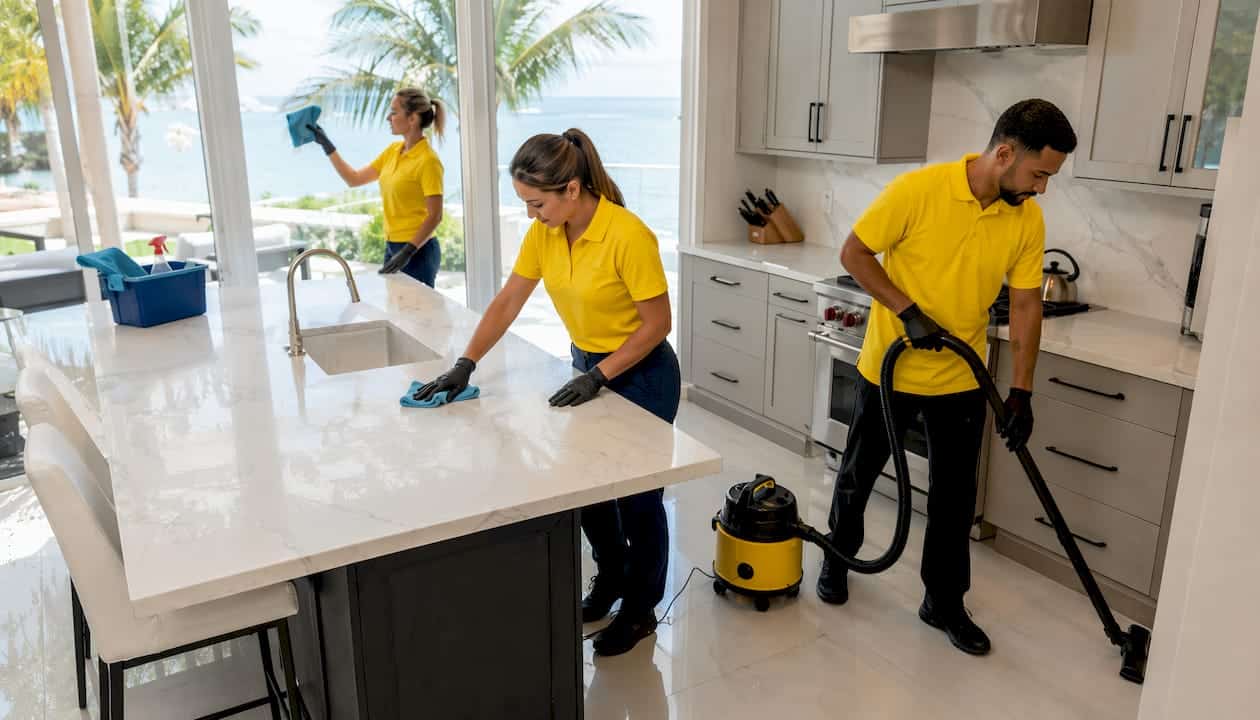

If you are asking how often should windows be cleaned, the real answer is not “whenever they look bad.” By the time glass looks obviously dirty, it has usually been collecting dust, pollen, salt, hard water spots, and grime for weeks or months. That buildup does more than affect the view. It makes a home or business look less maintained and can turn a quick cleaning into a tougher job.
For most properties, a good baseline is every 3 to 6 months. That schedule works well for many homeowners and small businesses because it keeps glass clear without overdoing it. But there is no one-size-fits-all answer. A beachside condo in a windy area, a storefront on a busy road, and a shaded suburban home will all need different timing.
How often should windows be cleaned for most properties?
A practical schedule starts with how the property is used.
Most homes do well with exterior window cleaning two to four times per year. Interior glass often needs less frequent service, usually every 6 months unless you have kids, pets, or a lot of handprints and smudges. If your windows stay closed most of the year and the inside air is controlled, interior glass tends to hold up longer.
Commercial properties usually need more frequent attention. Offices, retail storefronts, restaurants, and customer-facing spaces often benefit from monthly or quarterly service because appearance matters every day, not just when someone notices streaks. If customers walk by your glass before they walk through your door, dirty windows send the wrong message.
Short-term rentals fall somewhere in the middle but often lean toward more frequent cleaning. If you manage an Airbnb or vacation rental, the standard is higher. Guests notice natural light, fingerprints on glass doors, and water spots right away. Depending on occupancy and exposure, many hosts need window service every 1 to 3 months to keep the property guest-ready.
What changes the schedule?
The biggest factor is exposure. Windows that face traffic, construction dust, lawn debris, sprinkler overspray, or coastal air collect grime faster than protected windows in quieter neighborhoods. In the Tampa Bay area, humidity, storms, pollen, and salt in the air can speed up buildup, especially on exterior glass.
Trees also matter. They provide shade, but they can leave behind pollen, sap mist, leaves, and organic residue. If your home sits under heavy tree cover, your windows may need more attention in spring and after stormy weather.
Then there is hard water. If sprinklers regularly hit the glass, or if rainwater carries minerals across the surface and dries in place, windows can develop spotting that becomes harder to remove over time. In those cases, waiting too long is usually what makes the job more expensive and time-consuming later.
Usage matters too. Sliding glass doors, French doors, office entry glass, and windows near kitchens or patios tend to show marks sooner. High-touch areas usually need cleaning before the rest of the property does.
A realistic window cleaning schedule by property type
For single-family homes, twice a year is a solid minimum. Many homeowners schedule window cleaning in spring and fall because it lines up well with seasonal maintenance. If the home is near water, exposed to heavy pollen, or has a lot of large front-facing glass, every 3 months is often the better fit.
For condos and townhomes, the schedule depends on height, access, and surrounding conditions. Ground-level and balcony glass may need more frequent service because they are exposed to touch, rain spotting, and dust from nearby activity. Upper-floor windows may stay cleaner longer, but coastal exposure can still shorten the cycle.
For offices, quarterly cleaning is common, especially for exterior glass. Interior office glass partitions, conference room glass, and entry doors may need monthly touch-ups depending on traffic. A clean office exterior supports a professional appearance before a client ever sits down.
For retail spaces, monthly service is often the right move. Storefront windows collect fingerprints, dust, weather residue, and street grime quickly. If merchandise is displayed near the front, clean glass directly affects visibility and curb appeal.
For vacation rentals, inspect windows as part of your turnover routine, but plan professional cleaning every 1 to 3 months based on guest volume and location. A rental with ocean air, a pool area, or frequent patio use will need more frequent service than a lightly used inland property.
Signs your windows need cleaning sooner
You do not always need to wait for a calendar reminder. A few signs tell you your current schedule is too spread out.
If sunlight starts highlighting streaks, dust, or film across the glass, it is time. The same goes for visible water spots, pollen buildup in the corners, bug residue, or dirt collecting along frames and tracks. On commercial properties, if your front windows no longer look sharp from the parking lot or sidewalk, the cleaning interval is probably too long.
Another sign is that routine wiping no longer fixes the problem. Once grime has baked onto exterior glass, especially under Florida sun, quick spot-cleaning usually leaves behind haze or streaking. Regular professional service helps prevent that cycle.
Why waiting too long costs more than you think
Window cleaning is not just cosmetic. Dirt and mineral buildup can become more stubborn the longer it sits. That means more labor, more detail work, and sometimes more aggressive methods to restore clarity.
Frames, sills, and tracks also suffer when dirt is allowed to build up. Debris can collect moisture, and moisture tends to create bigger maintenance issues over time. You are not just protecting the glass. You are protecting the parts around it that help the window function properly.
For businesses and rentals, there is also the image factor. Clean windows make a property look active, cared for, and professionally managed. Dirty windows make even a clean interior feel neglected. That is a small detail with a big effect.
Should you clean windows yourself or schedule service?
For interior glass and easy-access windows, many property owners handle light cleaning themselves between professional visits. That can work well for maintenance, especially if the glass is not heavily soiled.
But exterior window cleaning gets more complicated quickly. Upper-story windows, hard water spots, screens, tracks, and post-storm grime take more time and the right equipment. There is also the safety issue. Ladders, slick surfaces, and awkward angles are not worth the risk for most homeowners or busy property managers.
Professional service is usually the better option when you want consistent results, safer access, and less hassle. It is also easier to stay on schedule when cleaning is part of a recurring service plan instead of a task you keep postponing.
How often should windows be cleaned in Florida weather?
Florida weather is tough on exterior surfaces. Heat, humidity, salt exposure, afternoon rain, and storm debris all shorten the time windows stay clean. That does not mean every property needs monthly service, but it does mean long gaps usually show.
In this climate, every 3 months is a strong starting point for many homes and small commercial properties. Inland homes with lower exposure may be fine at 6 months. Coastal properties, high-traffic storefronts, and guest-facing rentals often need more frequent cleanings to stay ahead of buildup.
A simple rule works well here: if your windows affect curb appeal, customer perception, or guest experience, clean them before they look dirty, not after.
The best schedule is the one you can actually maintain
A lot of people overthink window cleaning and then put it off. The better approach is to choose a realistic interval based on exposure, traffic, and expectations for the property. For a home, that may mean twice a year. For a storefront, once a month. For a short-term rental, every few turnovers plus scheduled deep service.
If you want the easiest benchmark, start here: homes every 3 to 6 months, vacation rentals every 1 to 3 months, and customer-facing businesses monthly or quarterly. Then adjust based on what you see. When the schedule matches the property, windows stay clearer, maintenance stays easier, and the whole place looks better with less effort.
Clean windows are one of those details people notice right away, even when they do not say it out loud. Staying ahead of the buildup is usually the smartest move.