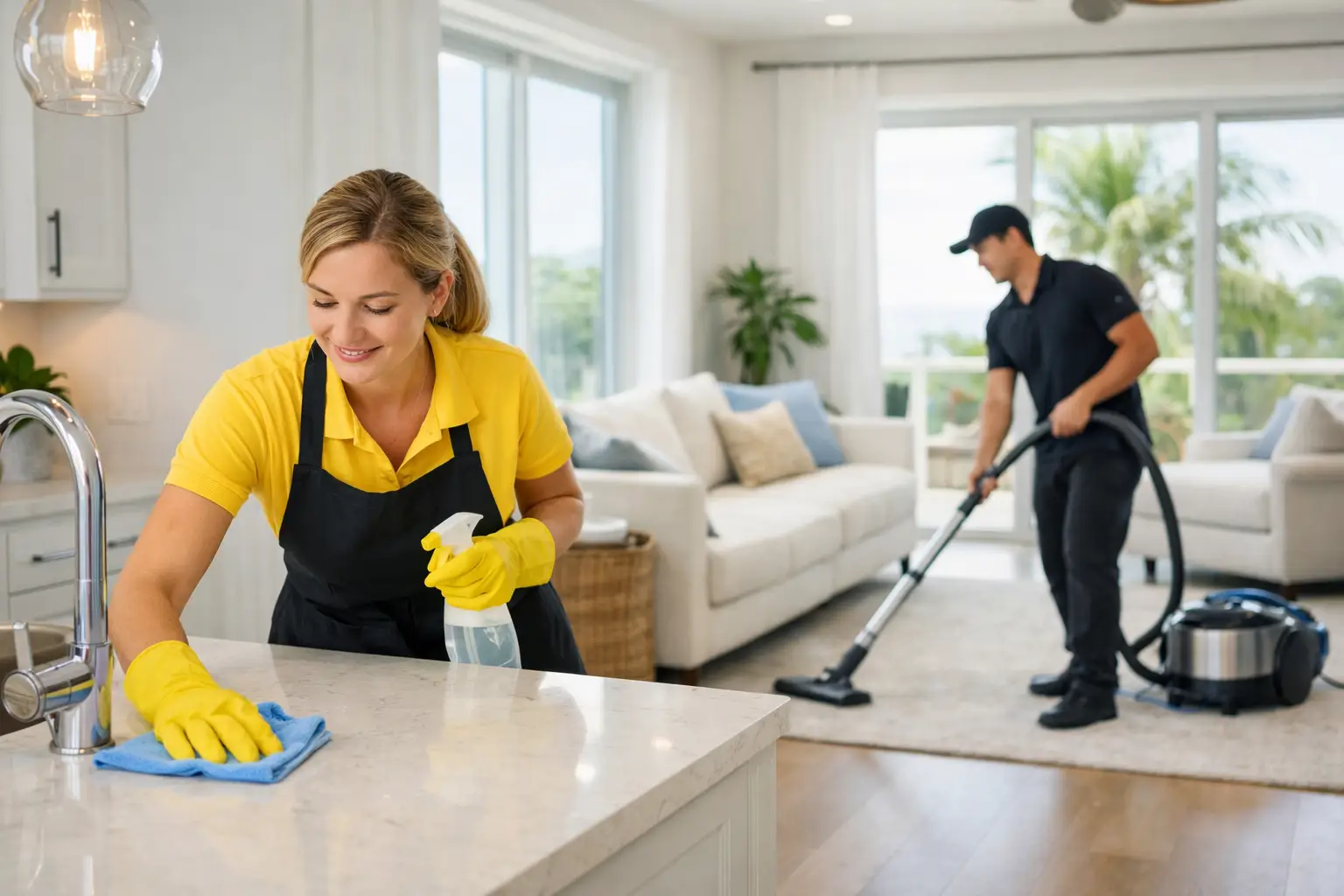
Getting to the last day of a move and realizing the baseboards, oven, and bathroom grout still need attention is how deposits get lost and handoffs get delayed. The best move out cleaning checklist is the one that keeps you focused on what actually gets noticed during a walkthrough – not just what looks clean at first glance.
Move-out cleaning is different from routine house cleaning. You are not cleaning around your life anymore. You are cleaning for inspection, turnover, sale photos, final landlord review, or the next occupant. That means detail matters. Dust on a ceiling fan, smudges on switch plates, and crumbs in cabinet corners can suddenly become a problem.
What makes the best move out cleaning checklist
A useful checklist does two jobs well. First, it helps you clean in the right order so you do not redo work. Second, it keeps attention on the spots people forget but property managers, buyers, and new tenants tend to notice fast.
The best approach is top to bottom, room by room, with empty spaces treated differently than lived-in spaces. Once furniture is out, floors, walls, trim, closets, and appliance sides become visible. That is why move-out cleaning often takes longer than people expect, even in a home that felt “pretty clean” during everyday use.
Start with the whole-home items
Before you clean individual rooms, handle the tasks that apply everywhere. Remove all personal items, trash, and anything left in drawers, cabinets, and closets. If the place is not fully emptied, you will waste time cleaning around things that should already be gone.
Dust high surfaces first. Ceiling fans, vents, top shelves, door frames, blinds, and light fixtures should be handled before you touch counters or floors. Work downward so dust falls once, not twice.
Then wipe the surfaces people touch often but clean rarely. Interior doors, handles, switch plates, outlet covers, trim, window sills, and baseboards all make a big difference in final appearance. Marks on walls may need spot cleaning, but this is where judgment matters. Aggressive scrubbing can remove paint, so test first and keep expectations realistic if there is existing wear.
Finish whole-home cleaning with floors at the very end. Vacuum edges, corners, closets, and under any remaining appliances. Hard floors should be swept and mopped with attention to buildup along trim and in traffic areas.
Kitchen move-out cleaning checklist
The kitchen usually decides whether a move-out clean feels complete. It is also the room most likely to trigger complaints because grease and food residue stand out immediately.
Start with cabinets and drawers. Empty them fully, then vacuum crumbs and wipe the interiors, fronts, handles, and top edges. Do not skip the top of upper cabinets if they are exposed. Grease and dust collect there fast.
Countertops, backsplash, and sink come next. Remove residue, disinfect surfaces, and polish fixtures if appropriate. Pay extra attention around faucet bases and sink rims where grime builds up.
Appliances need more than a quick wipe. The refrigerator should be emptied, shelves removed if needed, wiped inside and out, and cleaned underneath if accessible. The oven and stovetop deserve special attention because baked-on grease is one of the first things a landlord or buyer notices. Range hood filters, microwave interiors, dishwasher seals, and the exterior sides of appliances also matter.
If there is a garbage disposal, flush and deodorize it. If there is no disposal, make sure the drain area is clean and odor-free. Small details change how the entire kitchen is perceived.
Kitchen areas people miss
The common misses are behind the trash can, under the sink, inside the broiler drawer, around stove knobs, and along the floor edges under appliances. These are exactly the places that can make a kitchen feel neglected even when the counters shine.
Bathroom move-out cleaning checklist
Bathrooms need to look sanitary, not just tidy. Water spots, soap scum, and hair are the details that ruin an otherwise solid cleaning job.
Clean the shower or tub thoroughly, including tile, grout lines, fixtures, glass doors, and tracks. If there is mildew staining or hard water buildup, removal may depend on how long it has been there and what surfaces are involved. Some issues improve with effort. Others require specialized products or may not come out fully without risking damage.
Toilets should be cleaned inside and out, including the base, hinges, and the area behind the bowl. Sinks, vanities, mirrors, counters, drawers, and cabinet fronts should all be wiped down. Finish with floors, paying close attention around the toilet base and corners.
Bathroom areas people miss
Exhaust fan covers, the top of medicine cabinets, shower door tracks, and the caulk line around tubs and sinks are often overlooked. If a bathroom still smells off after cleaning, check the drain, trash area, and behind the toilet.
Bedrooms and living areas
These rooms seem simple, but empty rooms expose dust and scuffs more clearly than furnished ones. Closets should be fully emptied, shelves wiped, rods cleaned, and floors vacuumed. Window sills, tracks, blinds, and interior glass should be cleaned if they are part of your move-out responsibility.
In main living areas, focus on trim, corners, vents, doors, and floors. If you had wall hangings, patching and paint touch-ups may be separate from cleaning, but even without repairs, removing dust outlines and fingerprints helps the space show better.
Carpet deserves honest assessment. Vacuuming is the baseline, but if there are stains, pet odors, or heavy wear, a deeper service may be worth it. A standard move-out clean improves appearance, but it does not always replace carpet treatment when condition issues are more than surface level.
Laundry room, entry, and utility spaces
These are small areas that carry a lot of inspection weight because they suggest how well the property was maintained overall. Wipe washer and dryer exteriors, clean lint around the dryer area, and sweep behind machines if they are being moved.
Entry areas should be free of dirt, cobwebs, and marks on doors. Utility closets, water heater rooms, and storage spaces should be emptied and swept. If shelving is built in, wipe it down. These are easy spaces to forget when the move is rushed.
How to clean in the right order
If time is tight, order matters more than perfection. Start by clearing the property completely. Then dust high areas, clean room surfaces, tackle kitchens and bathrooms in detail, and leave floors for last. This reduces backtracking and gives you a realistic picture of what is left.
If you are cleaning over multiple days, save final vacuuming and mopping for the last visit after movers, maintenance work, and hauling are done. Otherwise, your clean floors will not stay clean long.
When a DIY checklist is enough – and when it is not
A smaller apartment in decent condition may be manageable with a clear checklist, good supplies, and enough time. The same is true if you have kept up with routine cleaning and there are no major buildup issues.
It gets different when you are dealing with a large home, a tight turnover window, pet hair, hard water stains, built-up grease, or a landlord inspection with little room for error. Property managers and Airbnb hosts often need speed and consistency, not just effort. In those cases, bringing in a licensed and insured team can protect your schedule and reduce missed details.
For move-outs in busy Tampa Bay markets, that matters even more. Delays can affect lease turnovers, listings, and guest bookings. A detailed service from a company like Florida Cleaning Crew can make sense when the goal is not just to clean, but to hand off the property ready for the next step.
Supplies that help without slowing you down
You do not need a huge arsenal, but you do need the right basics. Microfiber cloths, a vacuum with attachments, a mop, glass cleaner, a degreaser, disinfectant, a non-scratch scrub pad, and a grout brush handle most move-out jobs well. Trash bags, gloves, and paper towels also save time.
Be careful mixing products or using harsh chemicals on painted walls, natural stone, stainless steel, or specialty finishes. Faster is not better if it causes damage. Product choice should match the surface.
A final walk-through using the best move out cleaning checklist
Before you turn in keys, stand at the front door and look at the property like a stranger would. Open the refrigerator. Check inside cabinets. Turn on bathroom lights. Look at corners, baseboards, and floor edges. Smell the kitchen and bathrooms. Empty spaces reveal what furnished spaces hide.
A strong move-out clean is not about making a home look lived in well. It is about making it look ready. That is the standard worth cleaning to.