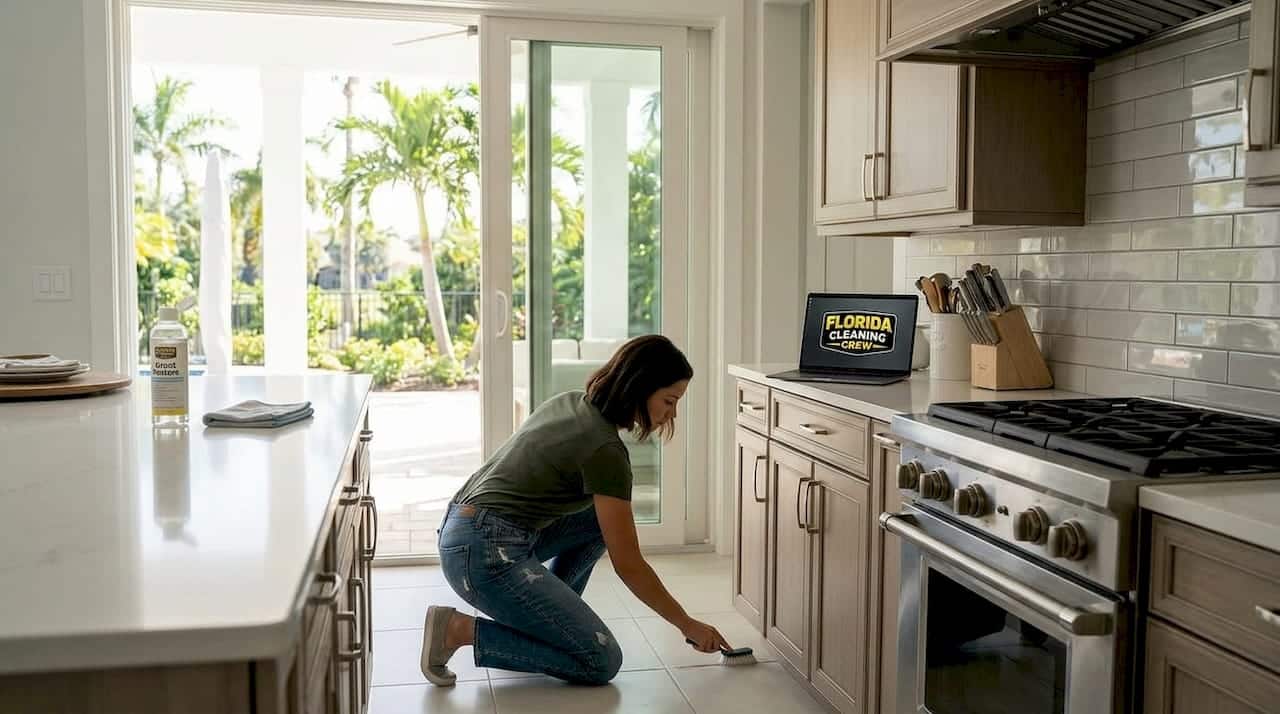
Most Tampa Bay homeowners keep up with weekly tidying, wiping counters, and running the vacuum. But here’s the uncomfortable reality: regular cleaning leaves behind a surprising amount of hidden dirt, bacteria, and allergens that slowly build up in places you rarely think to check. Studies show that indoor air can be 2 to 5 times more polluted than outdoor air, largely because of dust, mold spores, and contaminants trapped inside. Deep cleaning is the solution most households need but often skip. This guide breaks down exactly what deep cleaning means, how it works, what areas it covers, and how to decide whether to tackle it yourself or call in a professional team.
Table of Contents
- What is deep cleaning and why does it matter?
- Key steps and methods used in deep cleaning homes
- Areas most often neglected and why they matter
- Professional deep cleaning vs DIY: What to consider
- A realistic look: What most people miss about deep cleaning
- Bringing professional deep cleaning to your Tampa Bay home
- Frequently asked questions
Key Takeaways
| Point | Details |
|---|---|
| Deep cleaning defined | Deep cleaning involves thorough cleaning of hidden and hard-to-reach areas regular cleaning misses. |
| Method matters | The proper process uses top-to-bottom sequencing and specialized equipment for best results. |
| Neglected hotspots | Baseboards, vents, grout, and behind appliances harbor dirt and need regular deep attention. |
| DIY vs professional | While DIY is possible, professionals deliver better results with advanced tools, saving homeowners time and effort. |
What is deep cleaning and why does it matter?
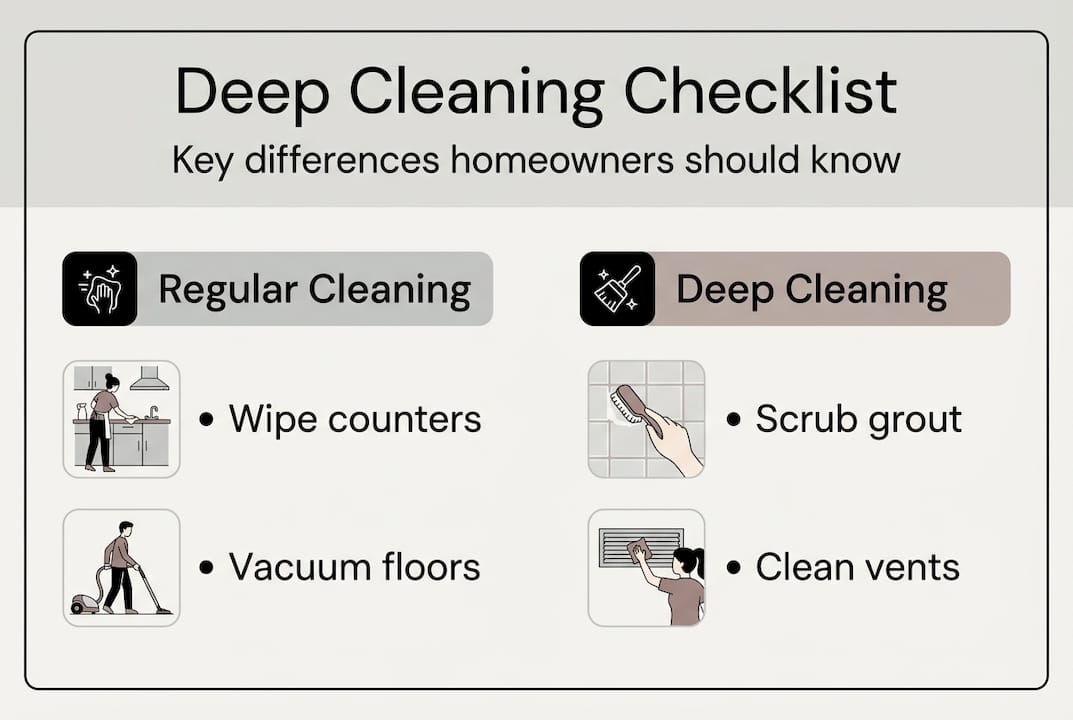
Deep cleaning is not just a more thorough version of your Saturday routine. It is a fundamentally different process. Where regular cleaning maintains surface appearance, deep cleaning targets the layers underneath. Think of it this way: regular cleaning is like making your bed every morning, while deep cleaning is washing the mattress cover, vacuuming the mattress, and checking under the bed frame.
According to deep cleaning basics, deep cleaning targets hidden dirt, grime, bacteria, and allergens in hard-to-reach areas. That means inside cabinets, behind the refrigerator, along grout lines, inside oven walls, under sinks, and through air vents. These are spots that collect filth for months or years without anyone noticing.
Here is a clear comparison of what each type of cleaning actually covers:
| Task | Regular cleaning | Deep cleaning |
|---|---|---|
| Wiping countertops | Yes | Yes, plus underneath and behind |
| Vacuuming floors | Yes | Yes, plus edges and under furniture |
| Cleaning inside oven | No | Yes |
| Scrubbing grout | No | Yes |
| Cleaning air vents | No | Yes |
| Behind appliances | No | Yes |
| Inside cabinets | No | Yes |
| Descaling fixtures | No | Yes |
The health case for deep cleaning is strong. Dust mites thrive in mattresses, upholstery, and carpets. Mold spores grow in damp corners. Bacteria colonize kitchen surfaces and bathroom grout. All of these contribute to poor indoor air quality, which affects breathing, sleep, and allergy symptoms. For families with asthma or seasonal allergies, this is not a minor issue.
Deep cleaning becomes especially important in these situations:
- Moving into a new home or vacating a rental
- After a household illness or flu season
- Before or after hosting a large event
- At the start of allergy season in spring
- Every 3 to 6 months as part of a maintenance routine
- After home renovations that generate dust and debris
“Homes that receive periodic deep cleaning show measurable reductions in dust mite populations and airborne allergens, directly improving respiratory health for occupants.” This is especially relevant in humid climates like Tampa Bay, where mold and mildew have ideal growing conditions year-round.
Understanding the full scope of cleaning services explained helps homeowners see that deep cleaning is not a luxury. It is a health investment. For families in Tampa Bay, where humidity accelerates mold growth and pollen seasons are intense, residential cleaning that goes beyond the surface is not optional. It is essential.
Key steps and methods used in deep cleaning homes
Knowing what deep cleaning covers is one thing. Understanding how professionals actually execute it is another. There is a logical sequence to the process, and skipping steps or doing them out of order leads to recontamination and wasted effort.
Here is how a professional deep clean typically unfolds:
- Declutter and prepare the space so all surfaces are accessible
- Dust high surfaces first including ceiling fans, light fixtures, crown molding, and tops of cabinets
- Clean walls and doors wiping down fingerprints, scuffs, and grime
- Tackle kitchen appliances inside and out, including oven walls, microwave interiors, and refrigerator coils
- Scrub bathrooms thoroughly including grout, tile, toilet base, behind the toilet, and shower door tracks
- Clean inside cabinets and drawers removing items and wiping shelves
- Wipe baseboards, window sills, and door frames
- Vacuum upholstered furniture and move pieces to clean underneath
- Mop or deep-clean floors last to capture everything that fell during earlier steps
The professional deep cleaning steps confirm that top-to-bottom methodology and use of specialized tools and cleaning agents are what separate a real deep clean from a standard tidy-up.
Pro Tip: Always work from the highest point in the room downward. Dust and debris fall as you clean, so if you mop the floor first, you will just have to do it again after wiping the shelves.
Professionals rely on specific equipment that most homeowners do not keep on hand. HEPA vacuums capture particles as small as 0.3 microns, including fine dust, pet dander, and pollen. Steam cleaners sanitize surfaces without harsh chemicals by using heat above 212 degrees Fahrenheit. Microfiber cloths trap bacteria rather than spreading it. Degreasers cut through built-up grease in kitchens. Descalers dissolve mineral deposits on faucets and showerheads. EPA-approved disinfectants kill pathogens on contact.
Research shows that HEPA vacuuming alone can remove up to 99.97% of airborne particles, making it far more effective than standard vacuums for allergy sufferers. That is not a small difference. For Tampa Bay homeowners with pets or children, this level of particle removal makes a real impact on daily comfort.
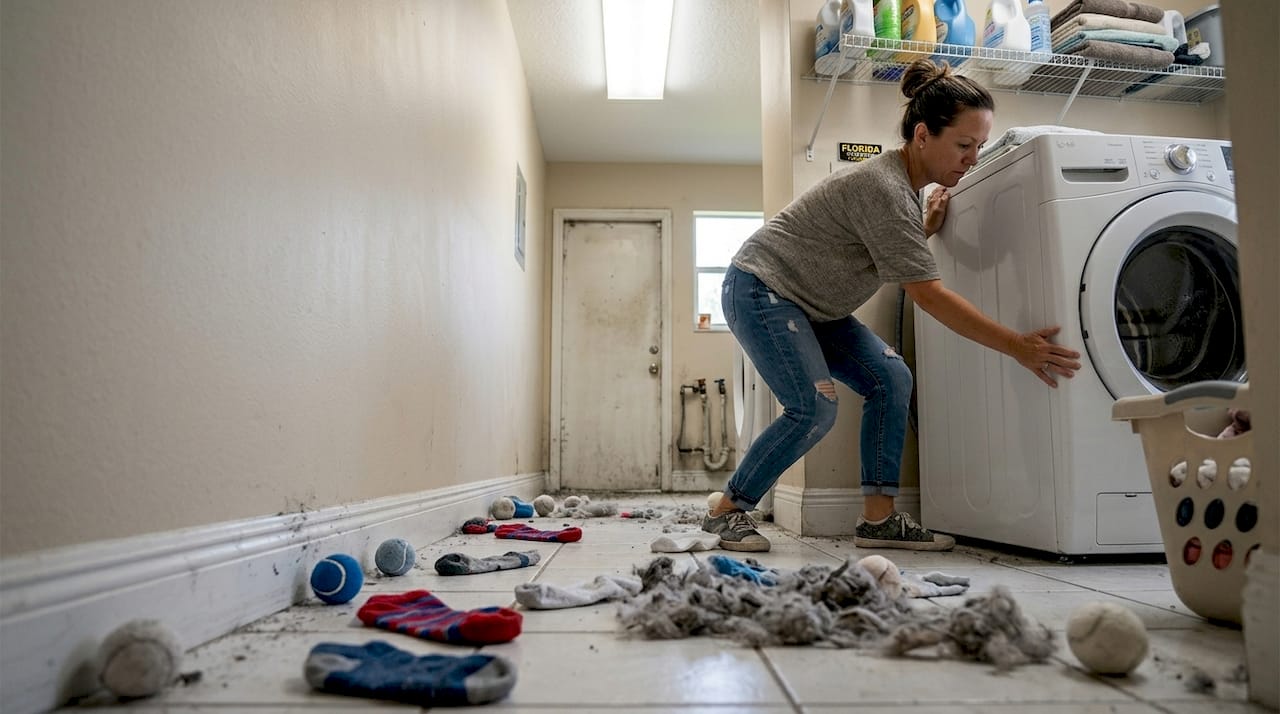
Areas that homeowners most often miss include vent covers, the space behind the washing machine, the area under the kitchen sink, and the tops of door frames. These spots collect years of buildup and are easy to overlook because they are either out of sight or simply inconvenient to reach. Exploring pro-level cleaning techniques gives you a sense of just how detailed a thorough clean can get.
Areas most often neglected and why they matter
Every home has blind spots. These are the areas that get skipped week after week because they are awkward to reach, hidden from view, or simply easy to forget. The problem is that neglecting these zones does not just mean a little extra dust. It can mean mold, bacteria, pests, and air quality problems that affect your family’s health.
Here is a breakdown of commonly neglected areas and the risks they carry:
| Neglected area | Potential issue |
|---|---|
| Air vents and registers | Dust, mold spores, allergen circulation |
| Behind the refrigerator | Grease buildup, pest harborage, fire risk |
| Under the kitchen sink | Mold, mildew, bacteria from moisture |
| Baseboards | Dust accumulation, allergen spread |
| Inside the oven | Grease fires, odors, bacteria |
| Shower grout lines | Mold and mildew growth |
| Ceiling fan blades | Dust that redistributes every time the fan runs |
| Garbage disposal | Bacteria, biofilm, persistent odors |
As noted in deep cleaning basics, deep cleaning targets areas missed by routine cleaning, like vents, grout, and behind fridges. These are not rare edge cases. They are standard problem areas in nearly every home.
Why do these spots get missed so consistently? Mostly because they require extra effort or moving heavy objects. Out of sight really does mean out of mind. A refrigerator that has not been pulled out in two years likely has a layer of grease-coated dust on its coils, which forces the motor to work harder and can shorten the appliance’s life.
Top 5 hidden areas that deserve regular attention:
- Air vents and return registers where dust and mold accumulate and then blow through your living spaces
- Behind and under large appliances including the fridge, stove, and washing machine
- Shower and tub grout where mold grows invisibly until it becomes a visible black stain
- Under sinks in kitchens and bathrooms where moisture creates perfect mold conditions
- Ceiling fan blades that redistribute months of settled dust the moment you switch them on
Pro Tip: Create a rotating schedule where you tackle one or two neglected zones each month. This prevents any single area from becoming a serious hygiene problem and keeps the overall workload manageable.
For property owners managing rentals or short-term stays, the turnover cleaning guide is a useful resource for understanding how these neglected zones affect guest experience and property ratings. Checking out the full spring cleaning checklist can also help you build a systematic approach to covering all these areas at least once a year.
Professional deep cleaning vs DIY: What to consider
With a clear picture of what deep cleaning involves, many homeowners face the same question: should I do this myself, or is it worth calling in professionals? Both options have real merit, but the right choice depends on your situation, your home, and your priorities.
Here is a direct comparison:
| Factor | DIY deep cleaning | Professional deep cleaning |
|---|---|---|
| Cost | Lower upfront cost | Higher upfront, better long-term value |
| Time | 8 to 16 hours for a full home | 2 to 6 hours with a trained crew |
| Thoroughness | Depends on skill and effort | Consistent, systematic, and complete |
| Equipment | Standard household tools | HEPA vacuums, steam cleaners, commercial products |
| Stress | High, especially for large homes | Minimal for the homeowner |
| Safety | Risk of mixing chemicals incorrectly | Trained in safe product use |
According to professional deep cleaning steps, professional services bring expertise, advanced tools, and specialized disinfectants that most homeowners simply do not have access to. That matters when you are trying to eliminate bacteria or remove mold safely.
Consider calling a professional when:
- A household member has severe allergies or asthma
- You are preparing for or recovering from a move
- Your home has not had a deep clean in over a year
- You are hosting a major event and need the home guest-ready fast
- There is visible mold or persistent odors you cannot identify
- You have recently completed a renovation that left dust everywhere
One risk many homeowners underestimate is improper chemical use. Mixing bleach with ammonia, for example, creates toxic chloramine gas. Professionals are trained in safe product combinations and know which surfaces tolerate which agents. They also carry liability insurance, which matters if something goes wrong.
For homeowners preparing to sell or move, understanding what to expect from professional cleaning can help set realistic expectations and avoid surprises. And for exterior areas, professional pressure washing is another service worth considering alongside interior deep cleaning.
A realistic look: What most people miss about deep cleaning
Here is something most cleaning guides will not tell you: the biggest obstacle to a truly clean home is not dirty grout or dusty vents. It is inconsistency. Many homeowners schedule one deep clean, feel great about it for a week, and then slowly drift back to the same habits that let the buildup happen in the first place.
Deep cleaning is as much about building a system as it is about scrubbing surfaces. A single thorough session resets your home. But without a follow-up plan, you are back to square one within a few months. The homes that stay genuinely clean are not the ones that get the most aggressive one-time treatment. They are the ones where someone has thought through a rotation and sticks to it.
We have seen this pattern repeat itself across Tampa Bay homes. A family gets a professional deep clean before the holidays, loves the results, and then skips the follow-up. By spring, the vents are clogged again, the grout is darkening, and the air quality has quietly declined.
What looks clean is not always safe. A freshly wiped kitchen counter can still harbor bacteria if the right disinfectant was not used. A vacuumed carpet can still hold allergens if the vacuum lacks a HEPA filter.
Pro Tip: Keep a short “most missed” checklist on your fridge. Include five or six zones that tend to get skipped. Rotate through them monthly so nothing builds up to a serious problem.
The mindset shift that makes the biggest difference is treating deep cleaning as maintenance, not a reaction to visible dirt. By the time you can see the problem, it has usually been there for a while.
Bringing professional deep cleaning to your Tampa Bay home
Understanding what deep cleaning involves is the first step. Acting on it is what actually protects your home and your family’s health. Tampa Bay’s humidity, pollen, and year-round indoor living make regular deep cleaning more than a nice-to-have.

Our team of home cleaning experts is trained to handle every corner of your home, from the vents to the grout lines to the spaces behind your appliances. We use eco-friendly, EPA-approved products and bring professional-grade equipment to every job. Whether you need a one-time reset or a recurring schedule, we make it easy to get started. We also offer carpet cleaning specialists for deep fiber cleaning that standard vacuuming simply cannot match. Ready to see what a real deep clean looks like? The Tampa Bay cleaning crew at Florida Cleaning Company is ready to help you book a free estimate today.
Frequently asked questions
How is deep cleaning different from standard cleaning?
Deep cleaning goes beyond surface cleaning by targeting hidden dirt, grime, and allergens in hard-to-reach areas such as vents, behind appliances, and grout lines. Regular cleaning maintains appearance, while deep cleaning basics confirm it is a thorough process that goes beyond regular maintenance.
How often should I schedule deep cleaning for my home?
Most experts recommend deep cleaning every 3 to 6 months, with more frequent sessions during allergy season or after major events like moving or illness. Periodic top-to-bottom cleaning is considered the most effective approach for lasting results.
Does deep cleaning eliminate allergens and bacteria?
Yes, deep cleaning significantly reduces allergens and bacteria throughout the home, improving indoor air quality and overall hygiene. Deep cleaning targets hidden allergens and bacteria that regular cleaning leaves behind.
Is professional deep cleaning worth the investment?
Professional deep cleaning delivers expert-grade tools, covers hard-to-reach spots, and ensures safe, thorough results most homeowners cannot replicate alone. Professional services use specialized tools and methods not always available to DIYers, making the investment worthwhile for health and home maintenance.
Recommended
- Window cleaning procedure: pro-level results at home
- Move Out Cleaning Service: What to Expect – Florida Cleaning Crew
- What is turnover cleaning? Guide for Tampa Bay rentals
- Cleaning Tips & Guides | Florida Cleaning Crew Tampa Bay
- Home cleaning best practices for spotless, healthy living
- Benefits of Exterior Cleaning for Homeowners – white-diamond-pressure